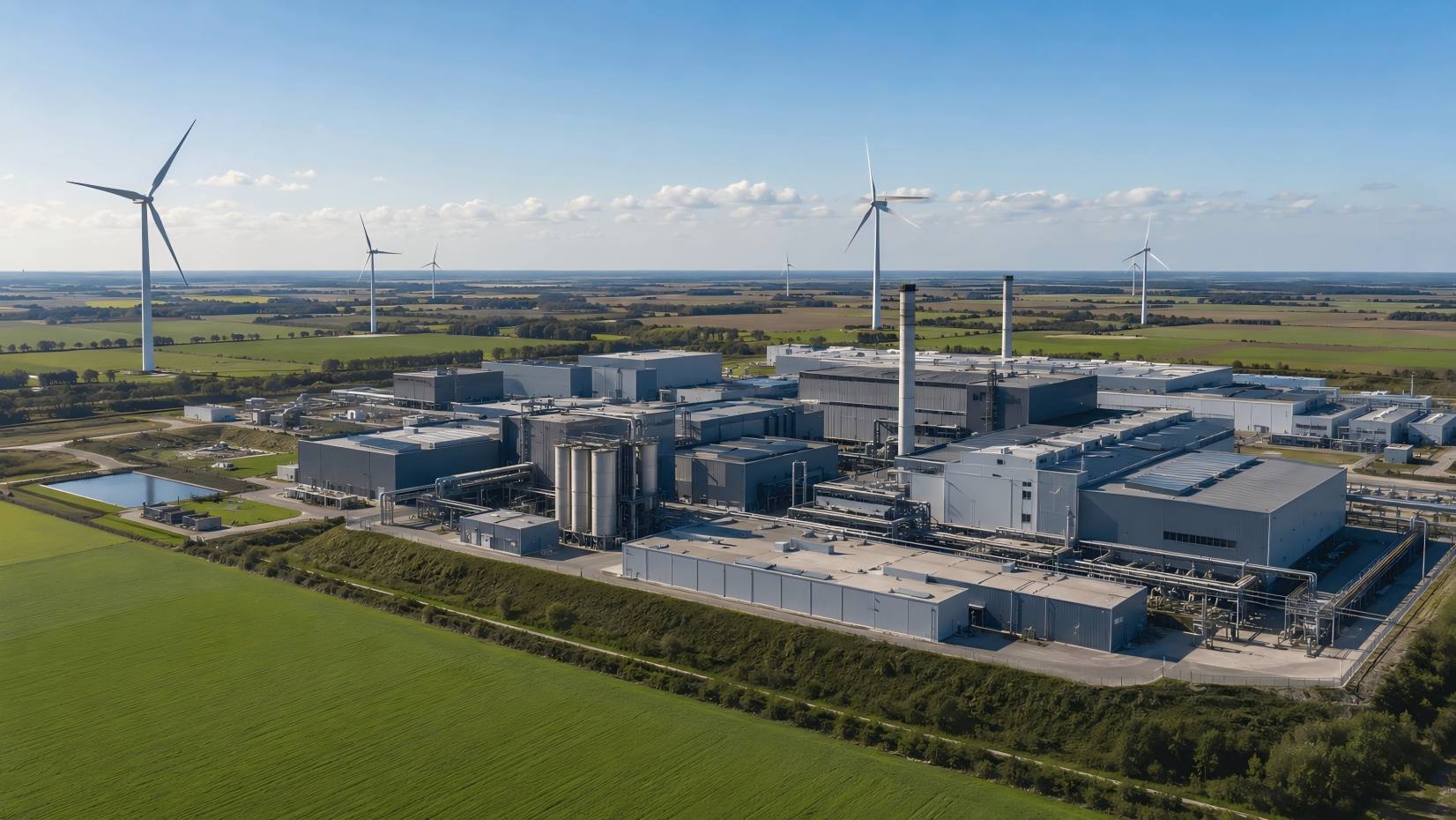
Wind Energy for Factories Benefits Suitability and Energy Planning
Factories rely on large amounts of electricity every day to run production lines, HVAC systems, lighting, and heavy equipment. Power costs, energy stability, and long-term energy planning all directly impact industrial operations. For factories with strong wind resources and open space, wind energy can be a viable power solution to evaluate.
The value of wind energy is not about replacing every power source. Instead, it offers suitable factories a more flexible energy mix. When planned together with solar power, battery storage, and grid backup, wind energy can help factories build a cleaner, more stable, and more practical power system for long-term operations.
How Wind Energy Supports Factory Power Demand?
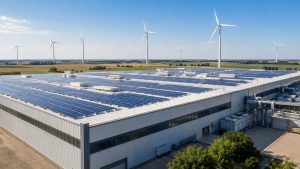
Many factories begin their renewable energy journey with solar power, and for good reason. Rooftops, parking structures, and open land adjacent to facilities offer straightforward installation opportunities. Solar is well-understood, widely available, and relatively simple to deploy.
That said, solar primarily generates electricity during daylight hours. Factories that run extended shifts, operate overnight, or maintain steady power loads throughout the day may benefit from a broader energy mix. In locations where wind resources are strong and consistent, wind energy can complement solar and hybrid energy systems — helping to cover power demand across a wider range of hours and weather conditions. This doesn’t mean wind energy can fully replace grid power, but it can meaningfully support a factory’s overall energy strategy in the right circumstances.
Key Benefits for Industrial Sites
For factories where wind energy is a practical fit, the potential advantages include:
- Cleaner electricity generation from a renewable resource
- Reduced dependence on a single energy source, whether grid or solar alone
- Improved long-term energy planning with a diversified power mix
- Support for commercial and industrial energy infrastructure, including integration with storage and grid backup systems
- A reliable contribution to facilities with steady, high-volume electricity consumption and suitable wind conditions
These benefits are most meaningful when wind is part of a broader, well-designed energy plan rather than a standalone solution.
What Makes a Factory Suitable?
Wind energy is not the right choice for every factory. Before considering an installation, it’s worth honestly evaluating whether your site meets the core requirements:
- Strong and consistent local wind resources — average wind speeds and patterns matter significantly. The U.S. Department of Energy wind resource assessment explains why wind conditions should be evaluated before planning a wind project.
- Sufficient land or open space for turbine placement, clearance, and access
- High and stable electricity consumption that justifies the scale of investment
- Long-term site operation — wind installations are multi-decade commitments
- Practical grid connection conditions to support integration and backup power
- Professional project evaluation to assess feasibility, permitting, and design
If your site doesn’t meet these criteria, other renewable options — such as solar or hybrid energy systems — may deliver better results with lower complexity.
Comparing Wind, Solar, and Hybrid Energy for Factories
Solar power for factories: Solar is usually the easier starting point. It can be installed on rooftops, parking areas, or unused land, making it suitable for facilities with high daytime electricity demand. However, solar output depends on sunlight, so it may not fully support evening shifts or 24-hour operations.
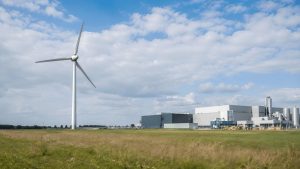
Wind energy for factories: Wind works better for factories with open land and strong, consistent wind resources. It can generate power at different times of the day, including periods when solar output is lower. This makes wind useful for industrial sites with steady power loads, but it requires careful site assessment, space planning, and grid connection review.
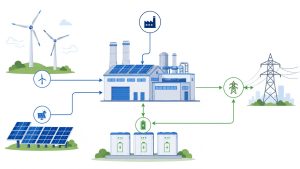
Hybrid energy for factories: Hybrid systems combine solar panels, wind energy, battery storage, and grid backup. For factories that need stable power, this can reduce dependence on a single energy source and create a more flexible power system.
Instead of choosing one technology alone, factories should evaluate how each option fits their real power demand, site layout, and long-term operating plans.
What Are the Benefits of Wind Energy for Factories?
Wind energy is worth considering if your factory has strong wind resources, enough open space, steady electricity demand, and a long-term energy plan. It should not be treated as a universal solution for every industrial site.
For many factories, the most practical answer is not wind energy alone. A better system may combine solar power, wind energy, battery storage, and grid backup based on the facility’s real power demand and site conditions. Before investing, factories should evaluate wind resources, space, grid connection, installation needs, and long-term production plans.
Is wind energy right for your factory? Start with a professional site evaluation. The answer depends entirely on your location, your load profile, and your long-term energy goals. Learn more about renewable energy solutions for industrial sites and how different power systems can support long-term factory energy planning.
