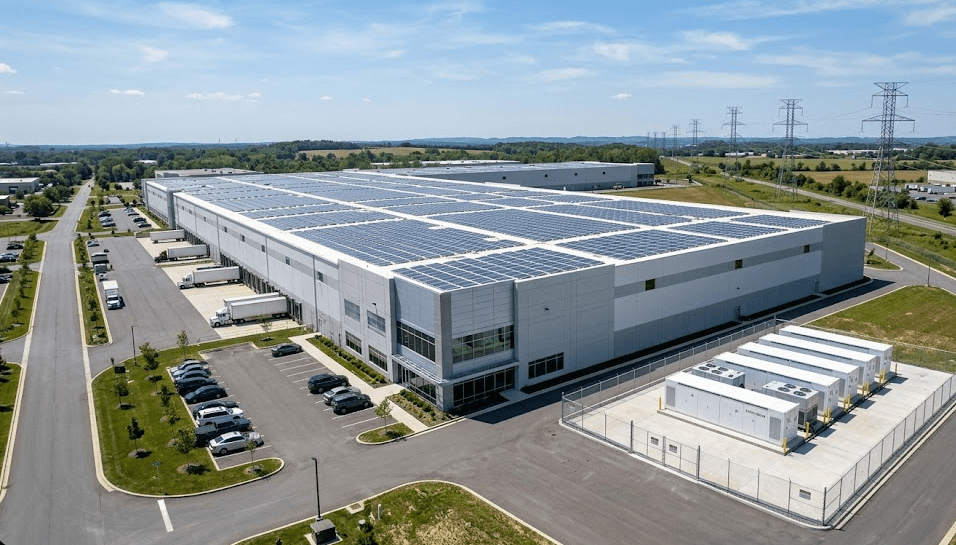
What Is a Hybrid Solar System?
A hybrid solar system integrates solar power generation, battery storage, and grid backup power into a unified energy system. It is not merely a set of solar panels installed on a rooftop, nor is it an off-grid system that operates completely independent of the public grid. It bridges the gap between grid-connected and off-grid solar systems, offering a more flexible and resilient solution for power generation, energy storage, and electricity consumption.
Main Energy Sources in a Hybrid Solar System
A hybrid solar power system draws from three main energy sources: solar power, battery storage, and the utility grid. Solar panels generate electricity during daylight hours and serve as the primary source of power. A solar battery storage unit captures any excess energy that the facility does not immediately use, holding it for later. When solar production is limited—due to weather, time of day, or high demand—the grid steps in as a backup. Together, these three sources allow the system to continuously balance supply and demand without interruption.
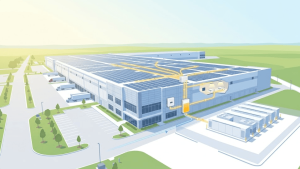
Key Components of a Hybrid Solar System
- Solar panels
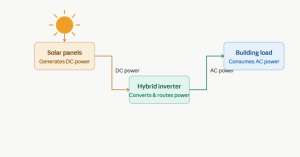
Solar panels collect sunlight and convert it into electricity. They are the main power generation part of a hybrid solar system. - Hybrid inverter
A hybrid inverter converts DC electricity from solar panels and batteries into AC electricity for daily use. It also helps manage power flow between the solar panels, battery, grid, and building load. - Battery storage system
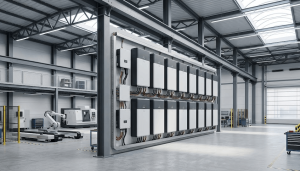
The battery storage system stores excess solar energy for later use. It can supply power at night, during peak demand periods, or when solar production is low. - Grid connection
The grid connection provides backup electricity when solar power and battery storage are not enough. It makes the system more flexible than a fully off-grid setup. - Energy management system
The energy management system monitors electricity generation, storage, and consumption. It helps decide when to use solar power, when to charge the battery, and when to draw power from the grid. - Safety and monitoring devices
Safety and monitoring devices protect the system and track performance. These may include breakers, protection equipment, meters, sensors, and monitoring software.
How a Hybrid Solar System Works
A hybrid solar system continuously manages power flow between four points: the solar panels, the battery storage, the building’s electrical load, and the utility grid. The system’s energy management controls how these sources interact based on current conditions.
Daytime Solar Power Use
During the day, solar panels supply electricity to the facility first. As long as solar production meets or exceeds demand, the system reduces how much electricity it draws from the grid. This is when the system delivers the most direct cost savings—by replacing grid power with free solar energy.
Battery Charging and Stored Energy Use
When solar panels generate more electricity than the facility needs at any given moment, the excess energy charges the battery storage system. That stored energy can then be used at night, during peak-rate electricity periods, or on overcast days when solar output drops. This ability to shift energy use over time gives operators more control over when and how they consume electricity.
Grid Backup When Needed
If solar production is low and the battery does not have enough stored energy to cover demand, the system draws electricity from the utility grid. This backup connection is what separates hybrid solar systems from fully off-grid setups. Rather than relying entirely on battery capacity to handle every scenario, the system can tap the grid as a reliable fallback—making it a more practical choice for facilities that cannot afford interruptions.
Where Hybrid Solar Systems Are Used
Hybrid solar systems can be used in many places where users need flexible power, solar energy storage, and backup electricity. They are especially useful in locations with high energy demand, unstable grid supply, or important equipment that cannot lose power easily.
- Homes and residential properties
Homeowners can use a hybrid solar system to store daytime solar energy and use it at night or during power outages. - Commercial buildings
Offices, shopping centres, hotels, and schools can use hybrid solar systems to reduce grid dependence and support daily electricity needs. - Factories and manufacturing plants
Factories often need stable electricity for machines, lighting, and production lines. A hybrid solar system can help support more reliable power use. - Warehouses and logistics centers
Warehouses may need power for lighting, security systems, temperature control, and automated equipment. Solar battery storage can help maintain smoother operations. - Farms and agricultural sites
Farms can use hybrid solar systems for irrigation pumps, greenhouses, cold rooms, and remote agricultural equipment. - Cold storage facilities
Cold storage sites need continuous electricity to protect temperature-sensitive goods. Battery backup can help reduce the risk of power interruptions. - Remote or semi-remote sites
Locations with weak grid access can use hybrid solar systems to combine solar power, battery storage, and grid or generator backup.
Benefits of Hybrid Solar Systems
A hybrid solar system combines solar panels, battery storage, and a grid connection to give you more control over your energy use. Energy independence. Excess solar power is stored in the battery rather than wasted, so you have power available at night or on cloudy days. Backup during outages. The battery keeps essential loads running when the grid goes down — useful in areas with an unstable power supply. Lower electricity bills. Using stored solar energy during peak-rate hours reduces how much you draw from the grid at the most expensive times. Scalable. You can add more panels or battery capacity as your needs grow. Energy monitoring.
