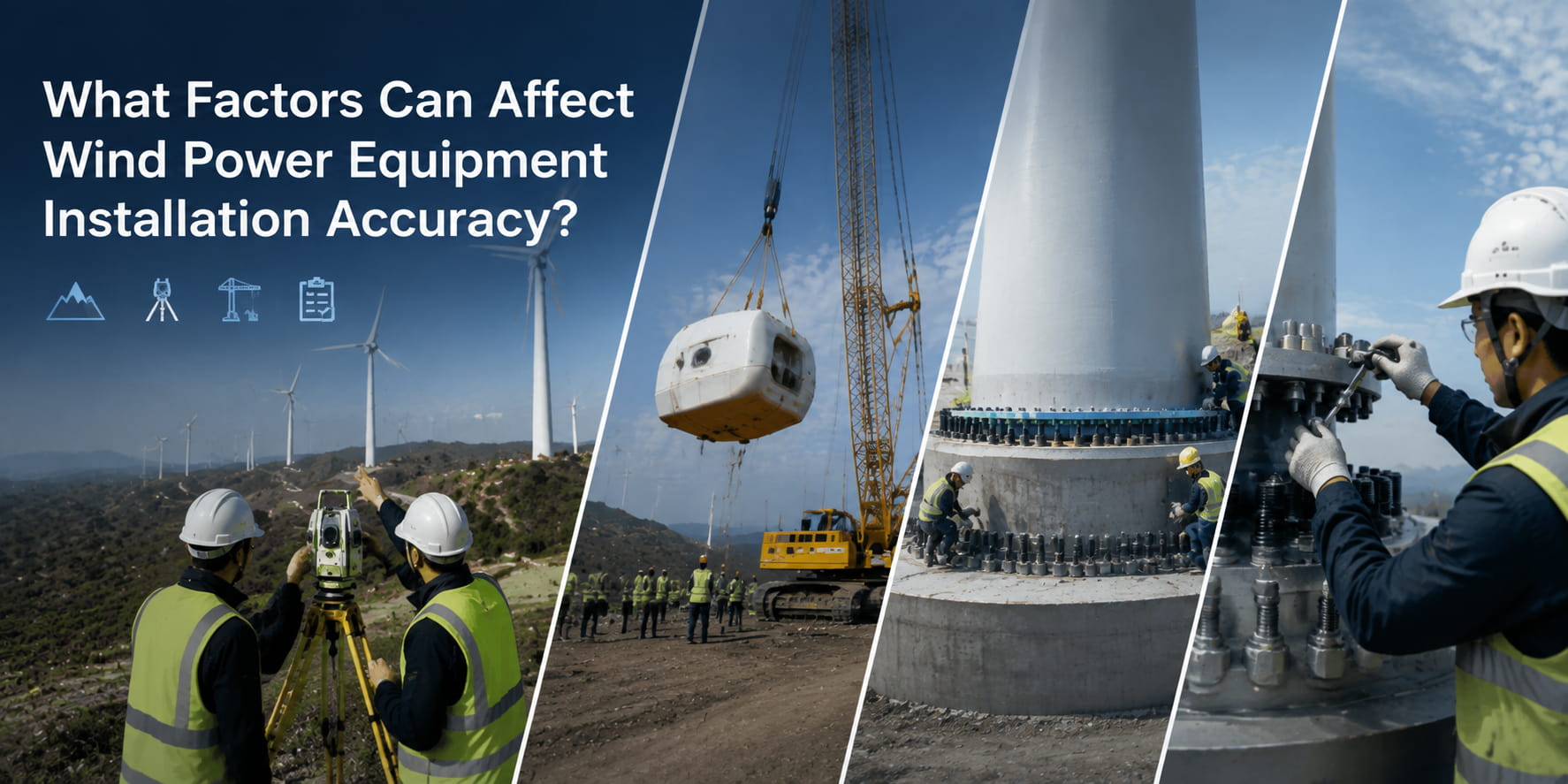
What Factors Can Affect Wind Power Equipment Installation Accuracy?
The accuracy of wind power equipment installation directly affects wind turbine performance, operational safety, and service life. A wind turbine is composed of large and complex components, including towers, nacelles, blades, and electrical systems, all of which require precise positioning and proper assembly. Even small installation deviations can influence structural balance, increase mechanical stress, and …

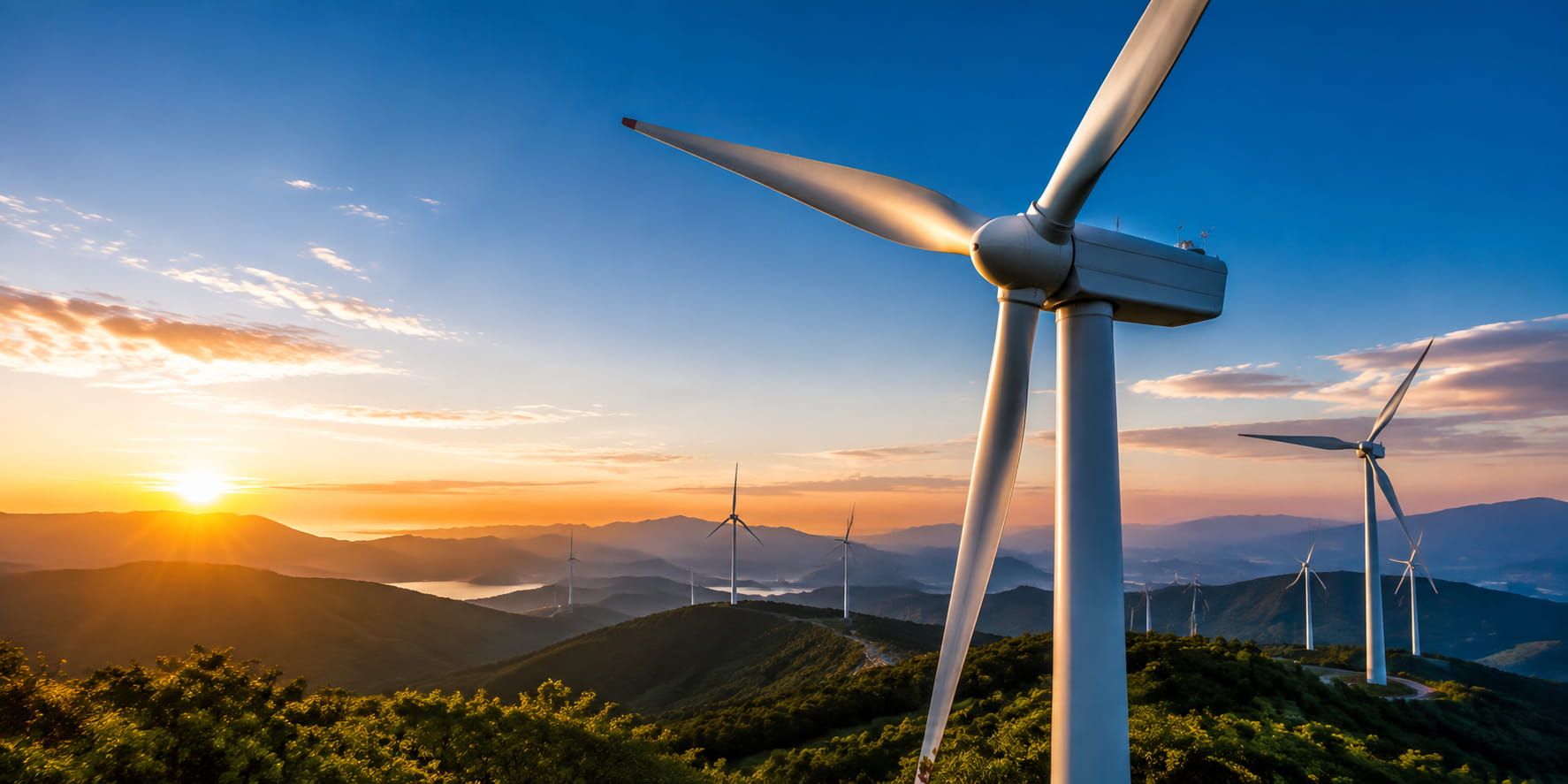
Wind Turbine Erection Commissioning: Essential Tests Before System Operation
A wind turbine does not become operational immediately after the tower, nacelle, and blades are assembled. Before electricity generation begins, wind turbine erection commissioning must be completed to verify installation quality, equipment performance, and operational safety. This process ensures that all major components are properly installed and prepared for reliable operation under real working conditions. …
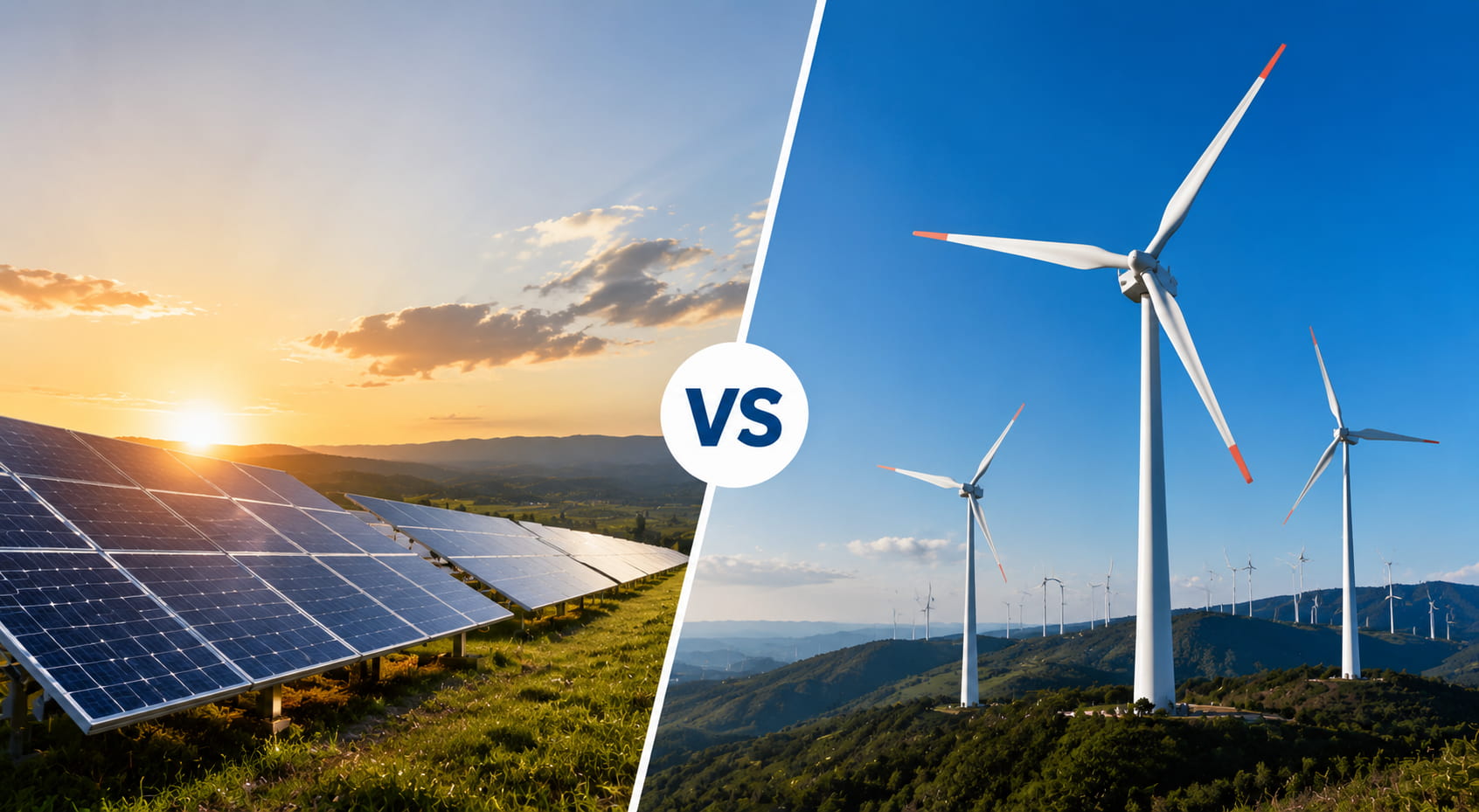
Solar Power Generation vs Wind Power Generation: Which Is Better?
Choosing between solar power generation and wind power generation does not mean finding a single “better” renewable energy source. In reality, neither technology is universally superior. The right choice depends on specific project requirements, including application scenarios, local environmental conditions, energy demand, system efficiency expectations, and long-term maintenance considerations. Solar electricity generation is often preferred …
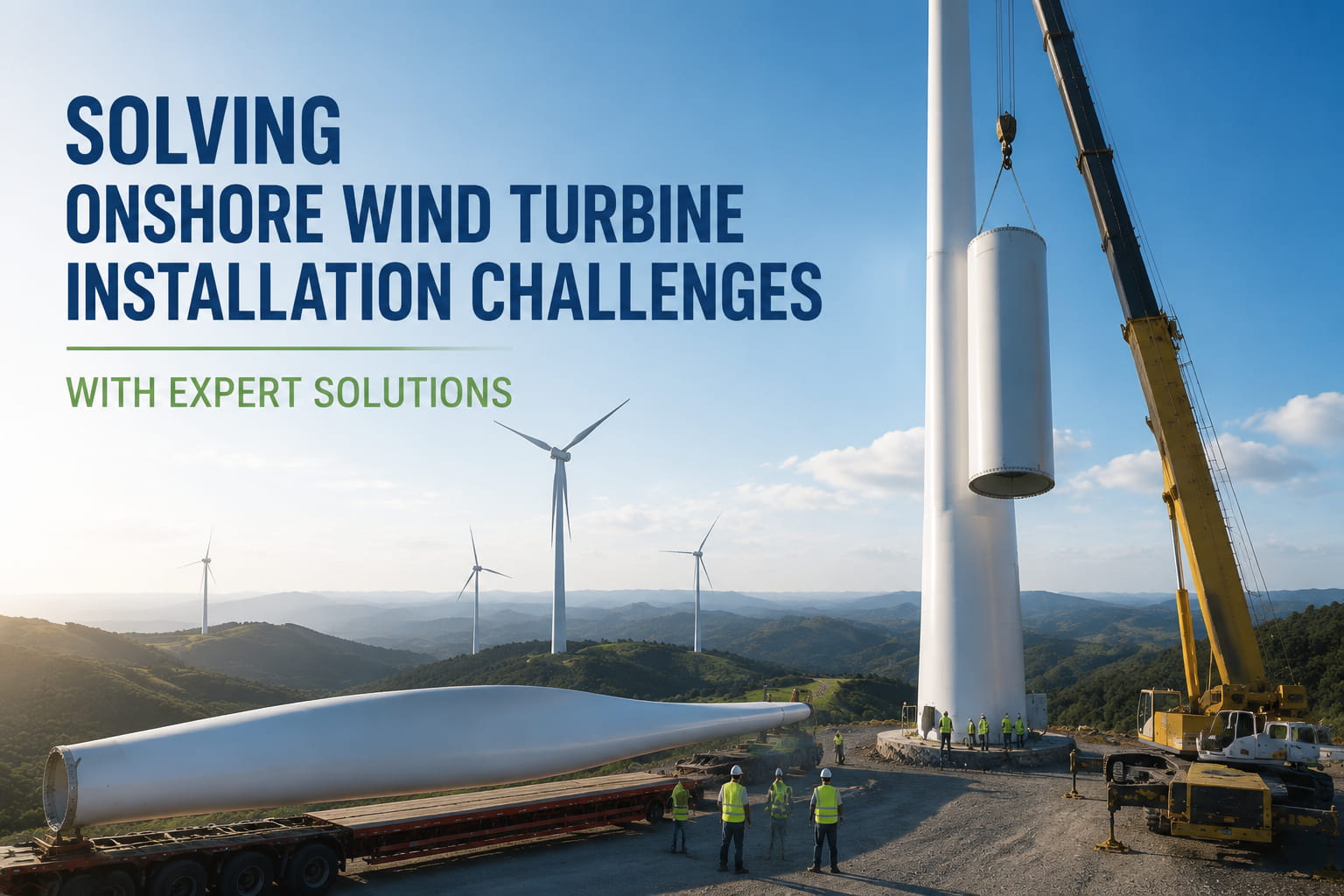
Solving Onshore Wind Turbine Installation Challenges with Professional Solutions
The biggest challenges in onshore wind turbine installation are often hidden before construction begins. Complex site conditions, unsuitable foundation design, transportation limitations, and installation quality issues can significantly affect project costs, construction schedules, and long-term energy performance. Unlike standard equipment installation, wind turbines must operate reliably for decades while continuously facing wind loads, vibration, and …
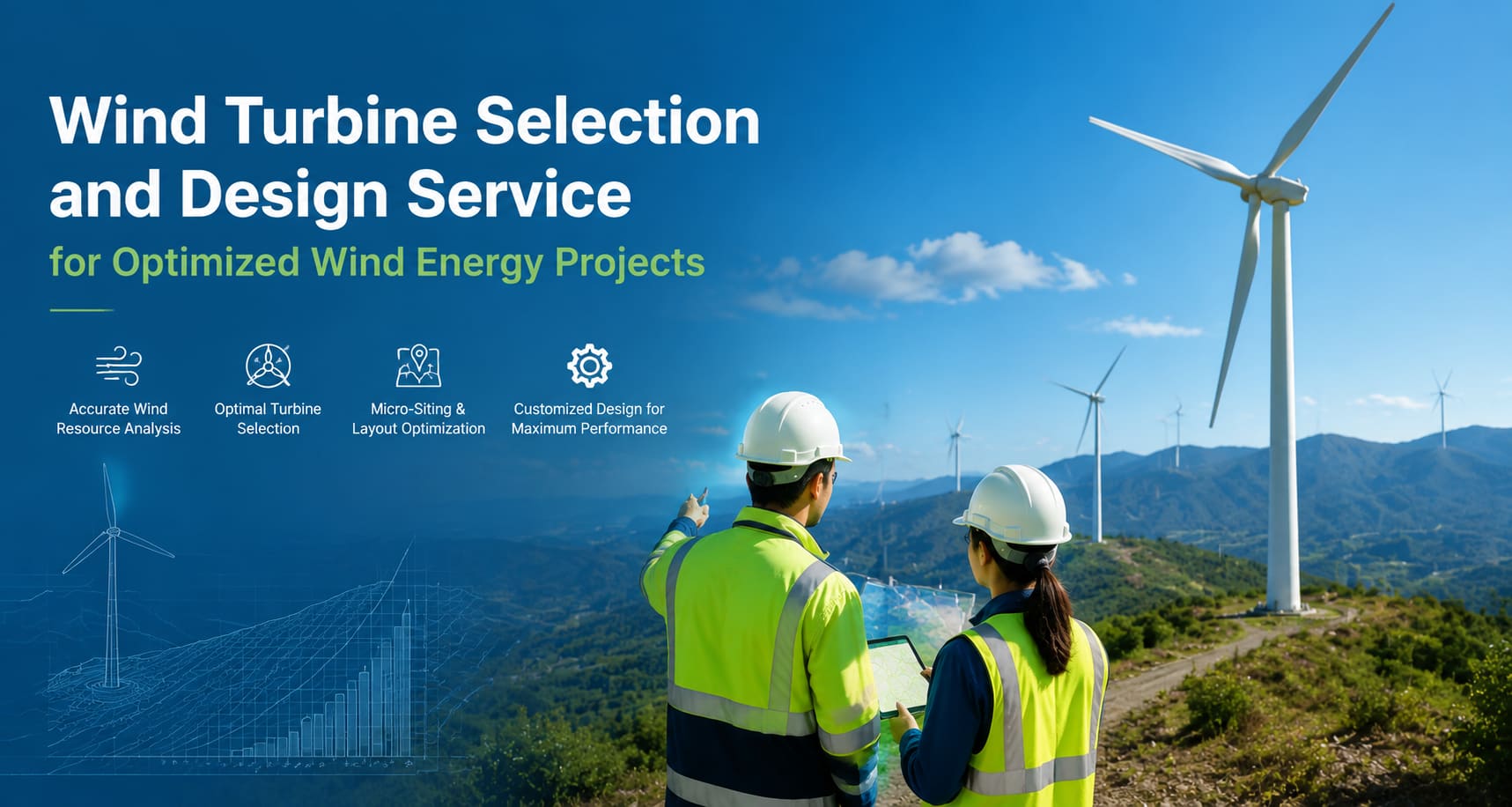
Wind Turbine Selection and Design Service for Optimized Wind Energy Projects
Selecting the right wind turbine selection and design service requires more than comparing rated power or equipment prices. Turbine performance depends on local wind conditions, installation environment, and energy requirements. A professional evaluation of factors such as wind speed, site conditions, and power demand helps identify the most suitable turbine configuration for efficient and reliable …
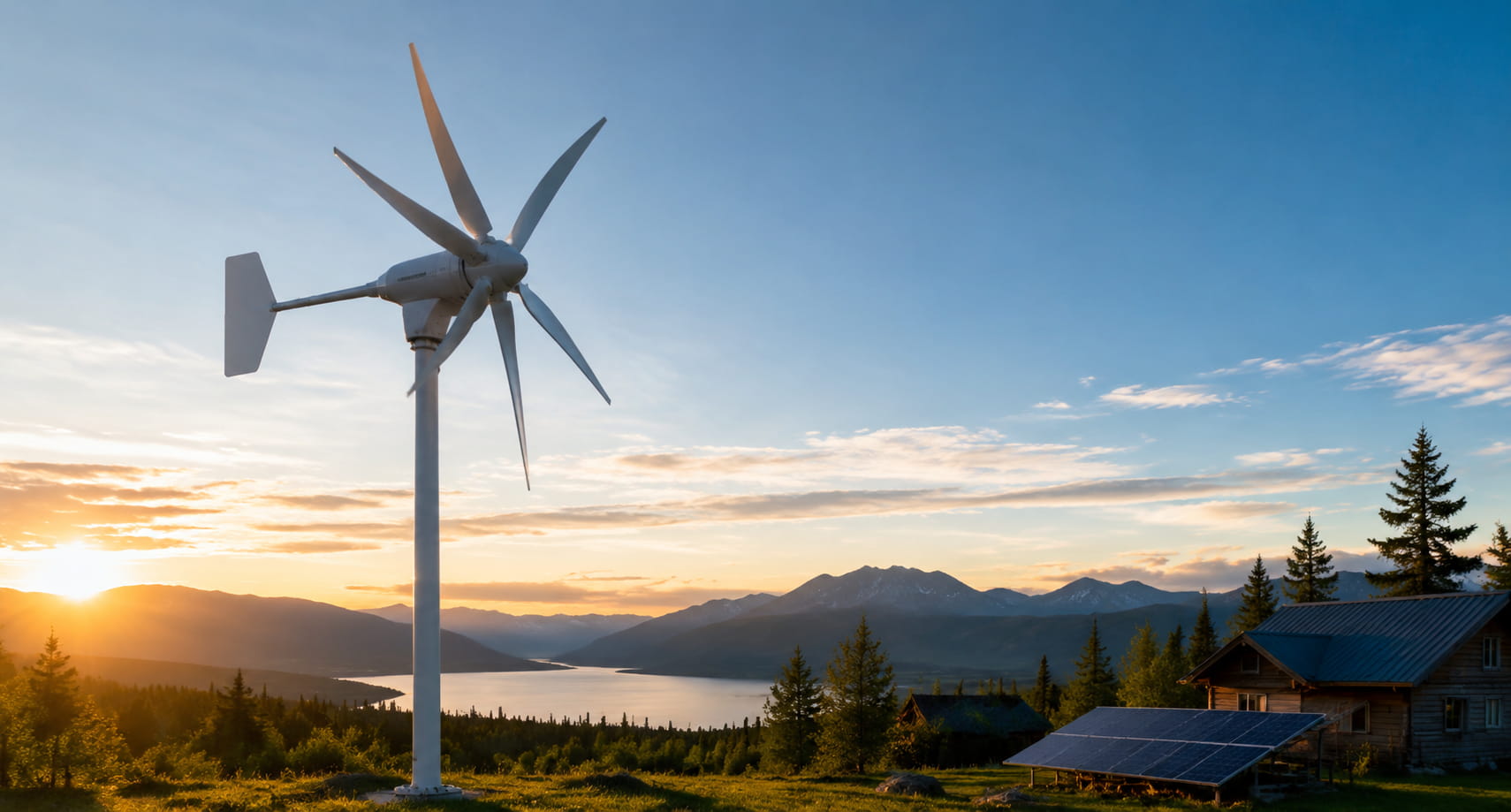
Exploring Low Speed Wind Turbine Applications in Small Scale Power Generation
A low speed wind turbine is a type of wind energy system specifically designed to generate electricity efficiently in areas with relatively low wind speeds. These turbines typically operate at lower rotational speeds while maintaining stable power output, making them ideal for small-scale and decentralized power generation where large wind farms are not practical. Low …
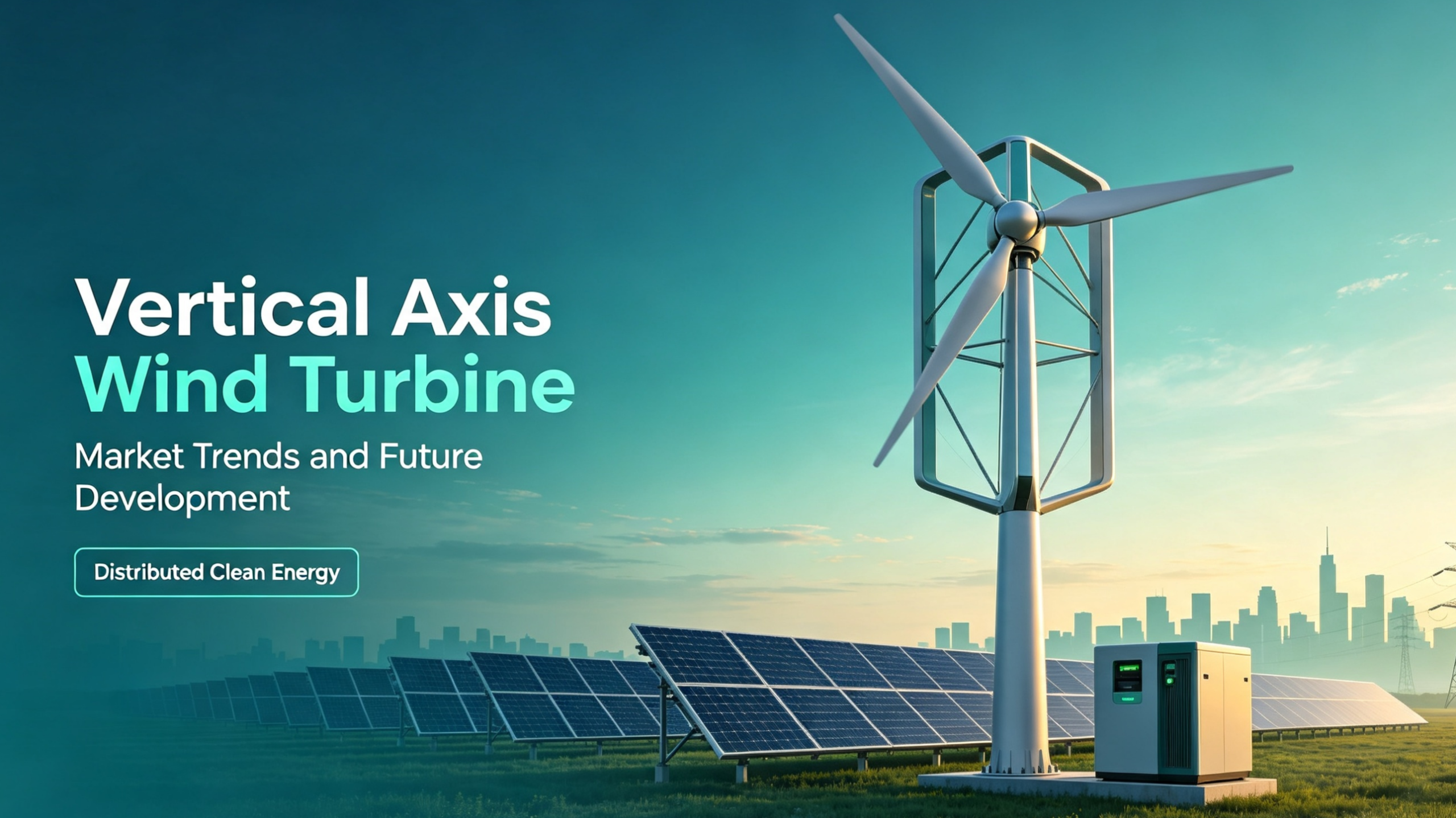
Vertical Axis Wind Turbine Market Trends and Future Development
Among different wind power technologies, the vertical axis wind turbine is gaining attention because of its compact design, flexible installation options, and suitability for distributed energy applications. Unlike traditional large wind turbines, a VAWT can be used in a wider range of environments, including residential projects, commercial facilities, and off-grid energy systems. Understanding the current …
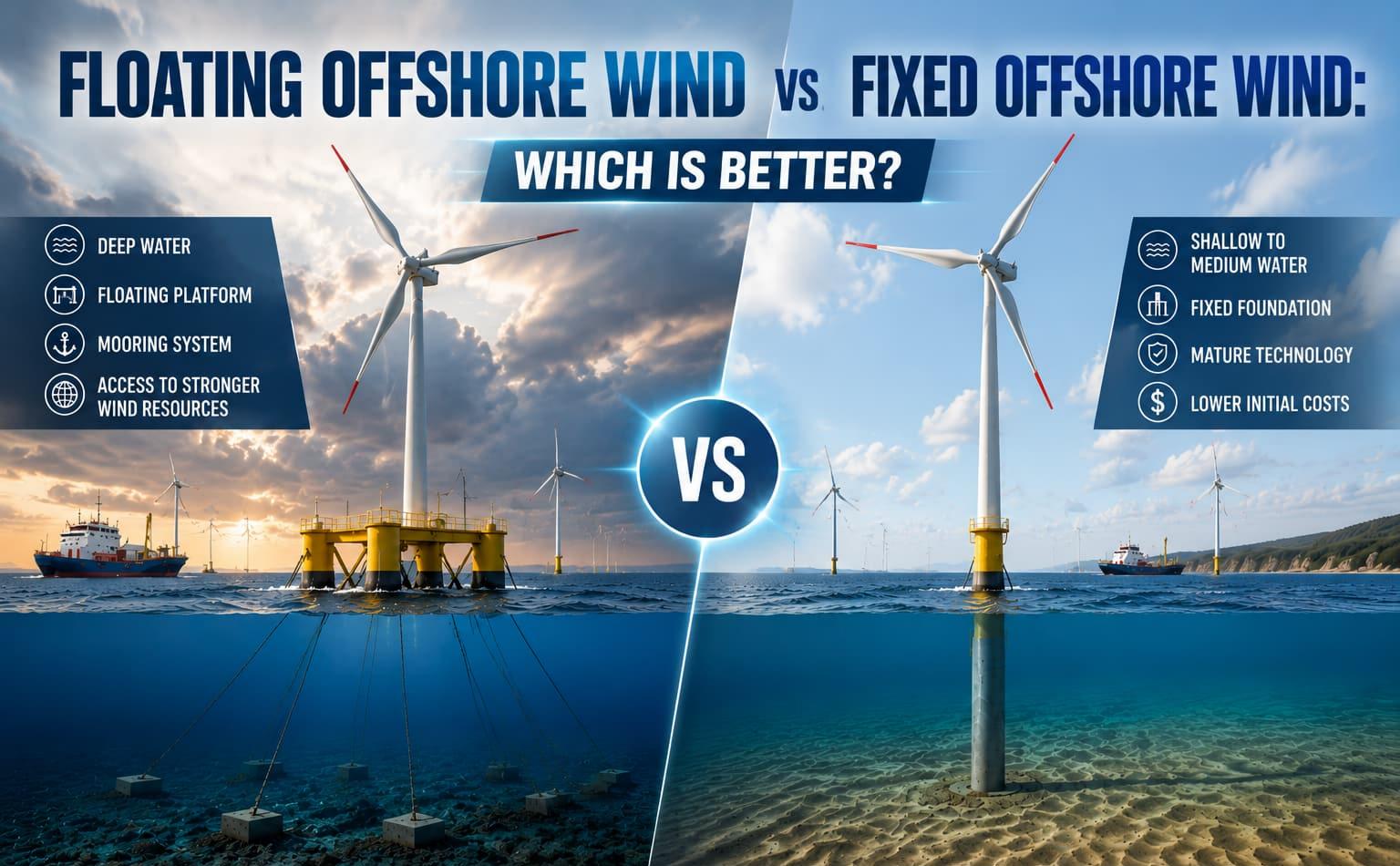
Floating Offshore Wind vs Fixed Offshore Wind: Which Is Better?
Floating offshore wind and fixed offshore wind are two major approaches for generating renewable electricity from ocean wind resources. The first uses turbines installed on floating platforms, while the second relies on foundations fixed directly to the seabed. Neither technology is always better than the other. The right choice depends on project conditions, including water …
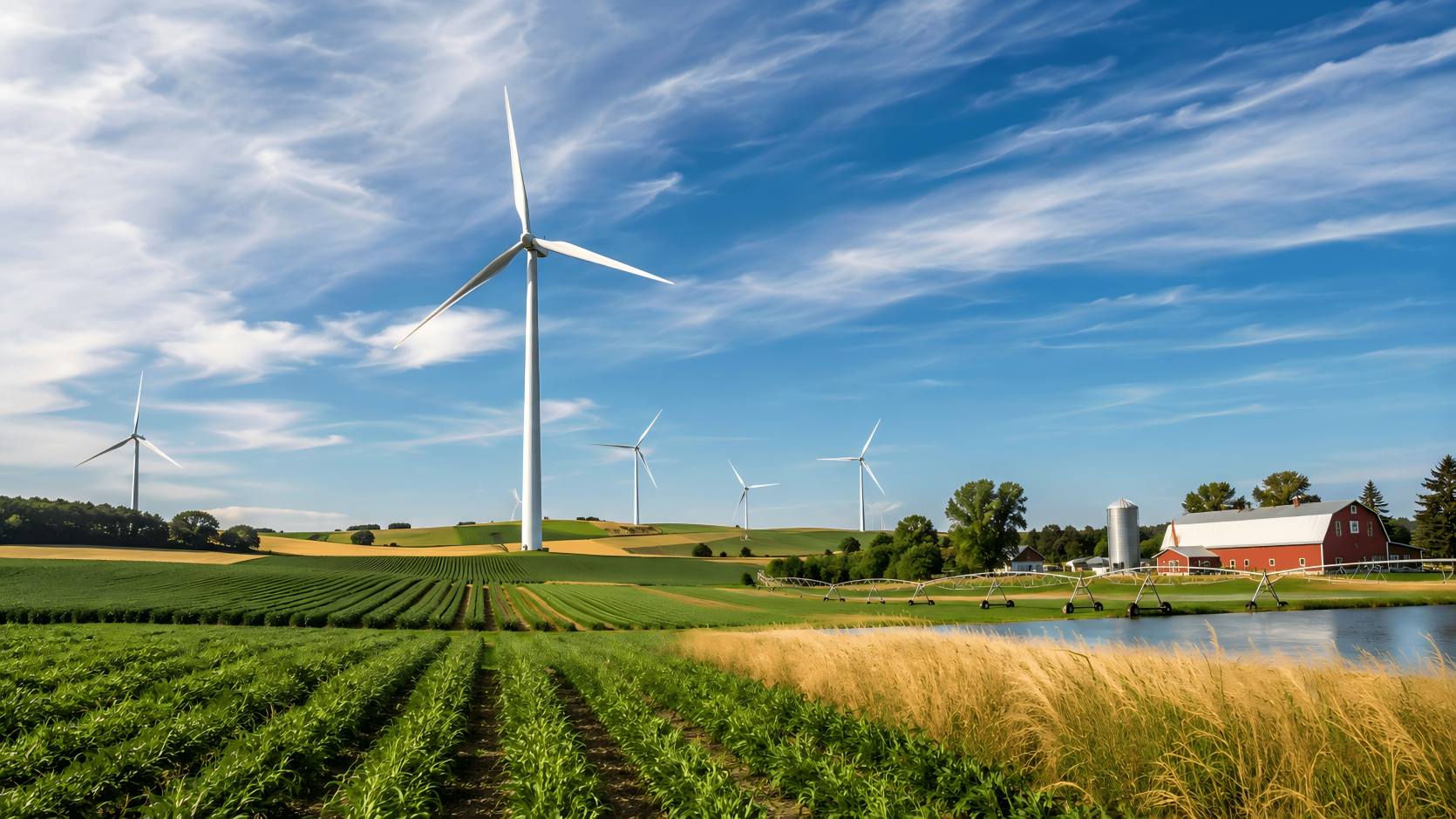
What Conditions Are Needed to Use Wind Energy in Agriculture?
Wind energy in agriculture can work well — but only when the site and setup are right. The short answer: you need steady wind, open land, and a power demand that matches what a small wind system can realistically deliver. If those three things line up, wind energy is worth looking at seriously. If they …
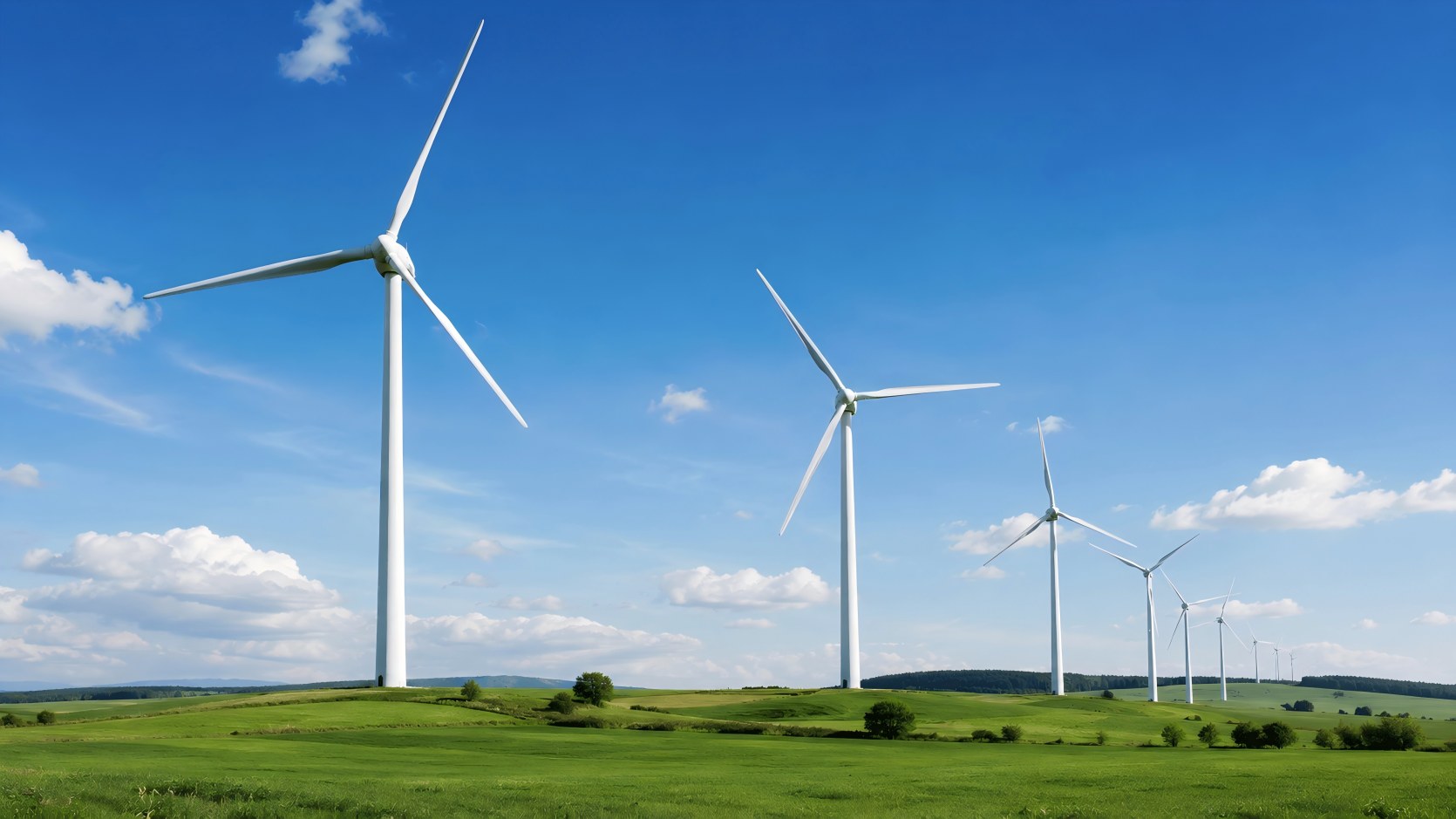
How do wind energy systems work?
Wind energy converts the movement of air into mechanical rotation, which drives a generator to produce electricity. The process happens inside a wind turbine, and while the technology has grown more sophisticated over time, the core idea is straightforward. Wherever air moves consistently and with enough force, wind energy can be put to work. What …