Hydraulic Turbine Troubleshooting: Common Issues and Effective Solutions
Hydraulic turbine systems are designed to deliver stable and efficient renewable energy generation, but performance issues may still occur during long-term operation. Effective hydraulic turbine troubleshooting is essential for identifying problems such as low power output, abnormal vibration, reduced efficiency, and unstable operation, which can affect energy production and increase maintenance requirements.
In practical applications, hydropower turbine failures are rarely caused by a single factor. Instead, they often result from changes in water conditions, improper equipment selection, installation issues, or insufficient maintenance. Understanding the symptoms, analyzing the causes, and applying effective solutions are important steps for maintaining reliable water turbine performance.
This article explores common hydropower turbine problems and provides practical troubleshooting solutions to help improve efficiency, extend service life, and support stable renewable energy production.
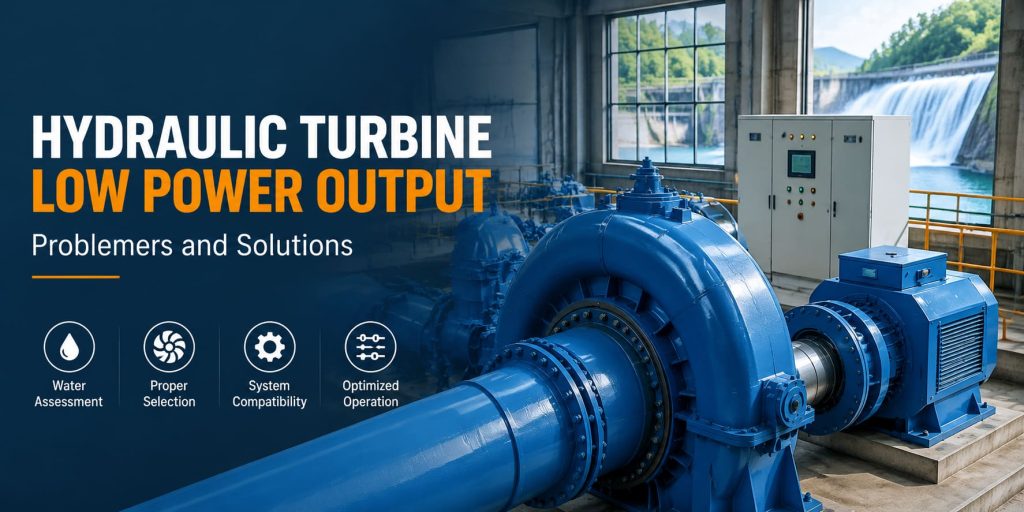
Hydraulic Turbine Low Power Output Problems and Solutions
Insufficient power output is one of the most common concerns during hydropower turbine operation. When actual electricity generation is lower than expected, it can reduce project efficiency and affect the overall return on renewable energy investments.
Common Symptoms
Hydraulic turbine low output problems usually appear in several ways:
- The generated power is lower than the rated capacity;
- Daily energy production decreases under similar water conditions;
- The system cannot reach the expected performance after installation.
For example, a water turbine designed to generate a specific power level may produce less electricity if the available water flow or head height is lower than the original design conditions.
In some cases, the turbine itself is operating normally, but the overall system performance is reduced due to differences between actual site conditions and project requirements.
Main Causes of Low Power Output
Several factors can reduce hydropower turbine output.
Water flow and head changes are among the most important factors. Hydraulic turbines convert water energy into mechanical energy, so changes in flow rate or water pressure directly influence power generation. Seasonal water variations or inaccurate initial measurements may result in insufficient energy input.
Incorrect hydraulic turbine selection is another common reason. Different turbine designs are suitable for different flow and head conditions. If the selected turbine does not match the actual environment, the system may operate outside its optimal efficiency range.
Poor system matching can also reduce output. A water turbine works together with generators, controllers, and other electrical components. If these components are not properly matched, energy losses may occur during conversion and transmission.
Effective Solutions for Improving Power Output
To improve hydropower turbine output, a complete system evaluation should be performed.
Recommended solutions include:
- Measuring actual water flow and head conditions;
- Comparing operating data with original design parameters;
- Checking hydraulic turbine and generator compatibility;
- Adjusting operating settings according to site conditions.
For new projects, professional feasibility analysis before installation can prevent many performance issues. Proper water turbine selection and system design ensure that equipment operates efficiently under real working conditions.
Vibration Issues and Troubleshooting Methods
Abnormal vibration is a common water turbine problem that can affect equipment reliability. If vibration continues for a long time, it may accelerate component wear and increase maintenance requirements.
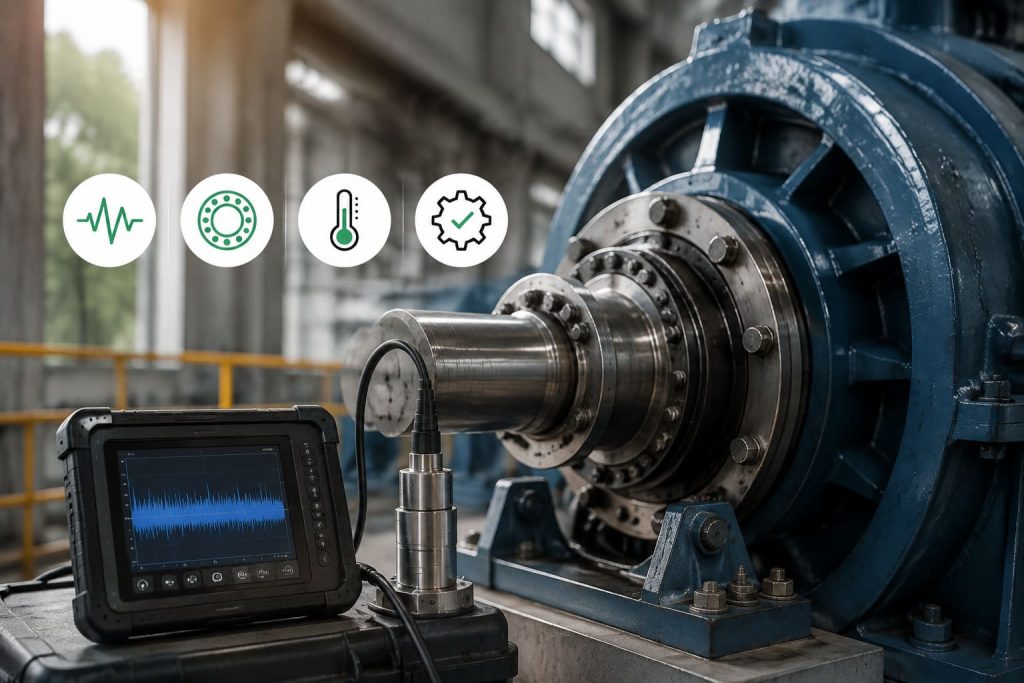
Common Vibration Symptoms
Hydraulic turbine vibration problems are usually identified through:
- Increased operating noise;
- Visible mechanical vibration;
- Higher bearing temperature;
- Frequent equipment inspection requirements.
Small vibrations may occur during normal operation, but sudden increases or continuous abnormal vibration usually indicate that the system requires inspection.
Ignoring these warning signs may lead to more serious problems, including mechanical damage and unexpected shutdown.
Main Causes of Hydraulic Turbine Vibration
Several conditions may cause water turbine vibration.
Mechanical alignment problems are one of the most common causes. The turbine shaft and rotating components must maintain accurate alignment. Improper installation or long-term operation may cause misalignment and increase mechanical stress.
Bearing wear can also contribute to vibration. Bearings support rotating components and reduce friction. When they become damaged or lubrication is insufficient, vibration and heat generation may increase.
Hydraulic instability is another important factor. Changes in water pressure, unstable flow conditions, or cavitation can create uneven forces inside the hydropower turbine system.
Effective Solutions for Reducing Vibration
Reducing water turbine vibration requires both mechanical inspection and operational optimization.
Effective measures include:
- Checking shaft alignment and connection accuracy;
- Inspecting bearings and replacing damaged components;
- Monitoring vibration levels regularly;
- Optimizing operating conditions to reduce hydraulic instability.
A preventive monitoring system can help detect abnormal changes at an early stage. By identifying vibration problems before major failures occur, operators can reduce repair costs and improve hydraulic turbine reliability.
Hydraulic Turbine Installation Problems and Optimization Solutions
Proper installation is essential for achieving the expected performance of a water turbine system. Many operational problems can be avoided through accurate planning and professional commissioning.
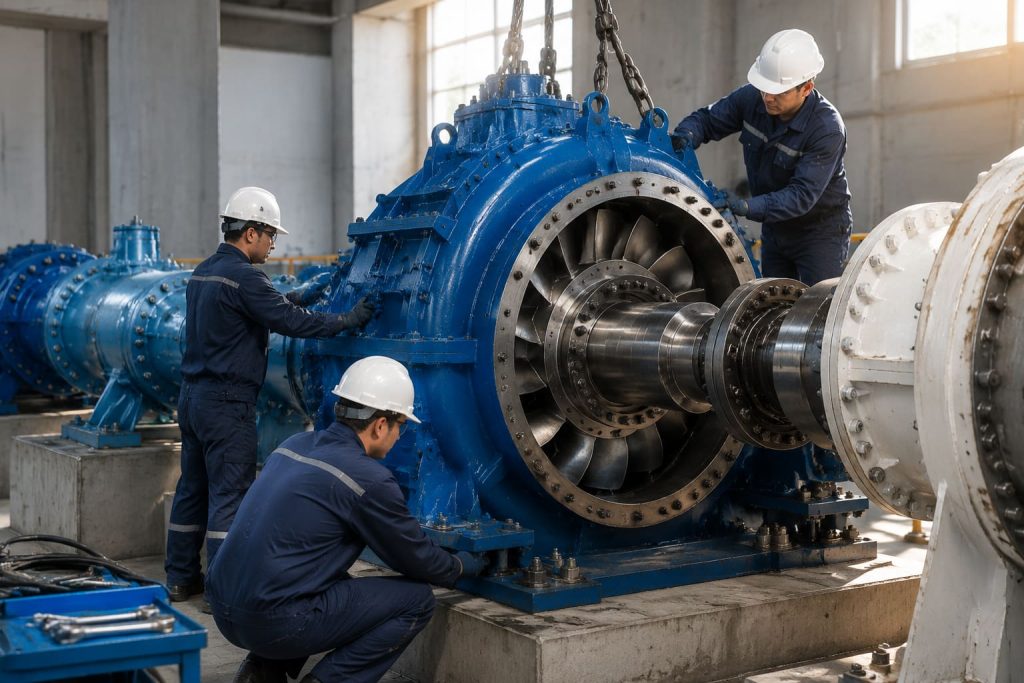
Common Installation and Operation Problems
Hydraulic turbine installation issues may appear as:
- Unstable system operation after installation;
- Lower output than expected;
- Increased maintenance frequency;
- Difficulty achieving designed performance.
These problems do not always indicate poor equipment quality. In many cases, they result from insufficient project planning or improper system integration.
Main Reasons Behind Installation Issues
One common reason is incomplete site evaluation. Before installing a hydropower turbine, factors such as water resources, installation conditions, and energy requirements should be carefully analyzed.
Another reason is poor integration between system components. A complete water turbine system includes mechanical equipment, generators, control systems, and electrical connections. All components must work together properly to achieve stable operation.
Insufficient commissioning can also affect performance. Without proper testing and adjustment after installation, the system may not operate at its designed efficiency.
Solutions for Reliable Hydraulic Turbine Operation
To improve installation quality and long-term reliability, several steps are recommended:
- Conduct detailed site analysis before equipment selection;
- Ensure proper matching between hydraulic and electrical systems;
- Complete professional commissioning after installation;
- Establish regular operation monitoring and maintenance plans.
A complete engineering approach helps customers avoid unnecessary downtime and achieve more stable energy generation.
Reliability Improvement and Maintenance Solutions
Long-term reliability depends not only on equipment quality but also on proper operation and maintenance strategies. A well-maintained hydraulic turbine can provide stable performance throughout its service life.
Hydraulic Turbine Key Factors Affecting Long-Term Reliability
Several factors influence water turbine reliability:
- Operating environment and water conditions;
- Component quality and material selection;
- Maintenance frequency and management practices.
Projects exposed to harsh water conditions or continuous operation require more detailed maintenance planning to prevent performance decline.
Preventive Maintenance Strategies
Preventive maintenance is one of the most effective ways to reduce hydropower turbine failures.
Recommended practices include:
- Regular inspection of mechanical components;
- Monitoring operating performance;
- Checking wear conditions of key parts;
- Replacing components before serious damage occurs.
These measures help reduce unexpected downtime and maintain stable energy production.
Professional Support for Stable Operation
For complex renewable energy projects, professional technical support plays an important role in maintaining water turbine performance throughout the entire lifecycle.
Effective support includes system evaluation, hydraulic turbine optimization, equipment inspection, and operational improvement. By applying reliable engineering solutions and proper maintenance strategies, operators can improve system efficiency, reduce downtime, and achieve stable long-term renewable energy generation.
Ensuring Reliable Hydraulic Turbine Performance Through Effective Solutions
Hydraulic turbine problems can affect energy output, equipment reliability, and long-term project performance. However, most operational challenges can be effectively managed through early diagnosis, proper maintenance, and targeted improvements. By identifying the symptoms, understanding the causes, and applying practical solutions, operators can reduce downtime and maintain stable power generation.
A reliable hydraulic turbine system requires continuous attention throughout its service life, from proper equipment selection and installation to regular inspection and performance optimization. With professional engineering support and effective maintenance strategies, hydraulic turbines can achieve higher efficiency, longer service life, and more consistent renewable energy production.
