How to Assess Wind Power Is Suitable for Your Site ?
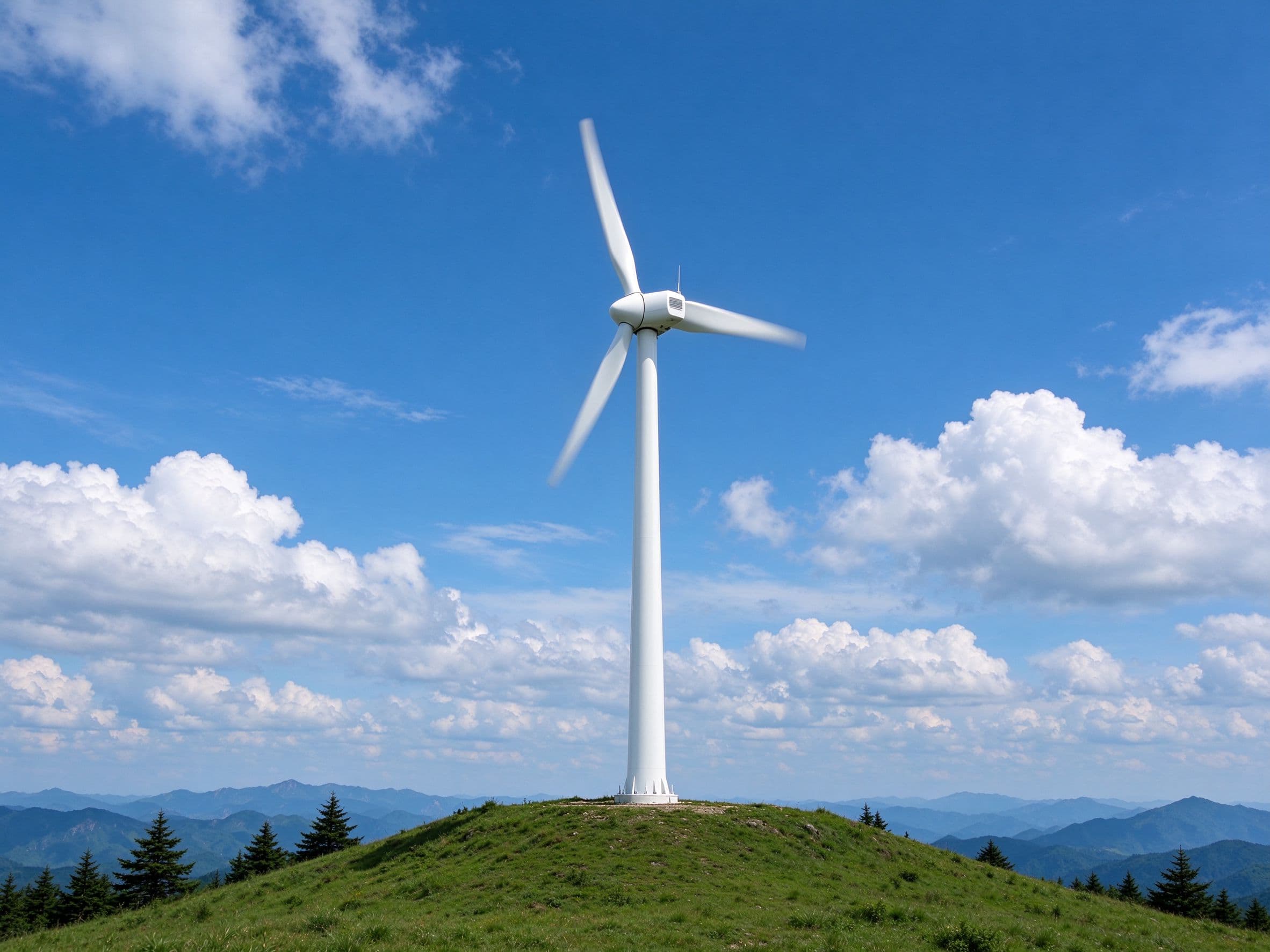
Deciding whether to assess wind power at your property starts with a hard question. Does your site actually have enough wind, at the right height, with enough space and regulatory clearance to make a turbine worth installing? Average wind speed from a nearby weather station is a useful starting point but never enough on its own. A proper wind site assessment covers six layers: local wind resource, terrain and obstacles, available installation space, turbine operating requirements, grid or load conditions, and the regulatory and cost picture. It starts with resource data, moves to physical site conditions, and ends with project feasibility and payback.
How Do You Assess Wind Power Potential at Your Site?
Assess wind power. The first step in any wind resource assessment is figuring out whether the site has enough wind to justify further work. Follows a logical path: start with public data, examine wind patterns and turbulence, measure at the turbine height, and finally match those conditions to a specific turbine’s operating curve. Skipping any of these steps usually leads to disappointing energy output later.
Check Local Wind Speed and Wind Resource Data
Start with publicly available wind maps and nearby weather station records. Government wind atlases and regional resource databases give a rough picture of average wind speed across the area. Airport weather stations often have decades of wind data. They provide a useful baseline, even though their locations rarely match your exact property. First, look for the annual average wind speed at roughly 10 meters. Many small wind turbines need an annual average of at least 4 to 5 meters per second at hub height to produce meaningful energy. Below that threshold, the site usually does not justify further investment. Above that threshold, the assessment becomes more detailed.
Understand Wind Direction, Turbulence, and Seasonal Variation
Average speed alone tells you little. Wind direction matters just as much. A site with consistent wind from one direction works well. Chaotic, shifting wind produces less energy and more mechanical stress. Turbulence from nearby trees, buildings, or hills shortens turbine life and cuts output. Seasonal variation matters for off-grid or self-consumption projects. A site with strong winter winds but calm summers may not match your load pattern. According to Renewable Energy whirlwind guides, many small wind projects fail because developers size the system based on annual averages without checking seasonal distribution.
Measure Wind at the Proposed Turbine Height
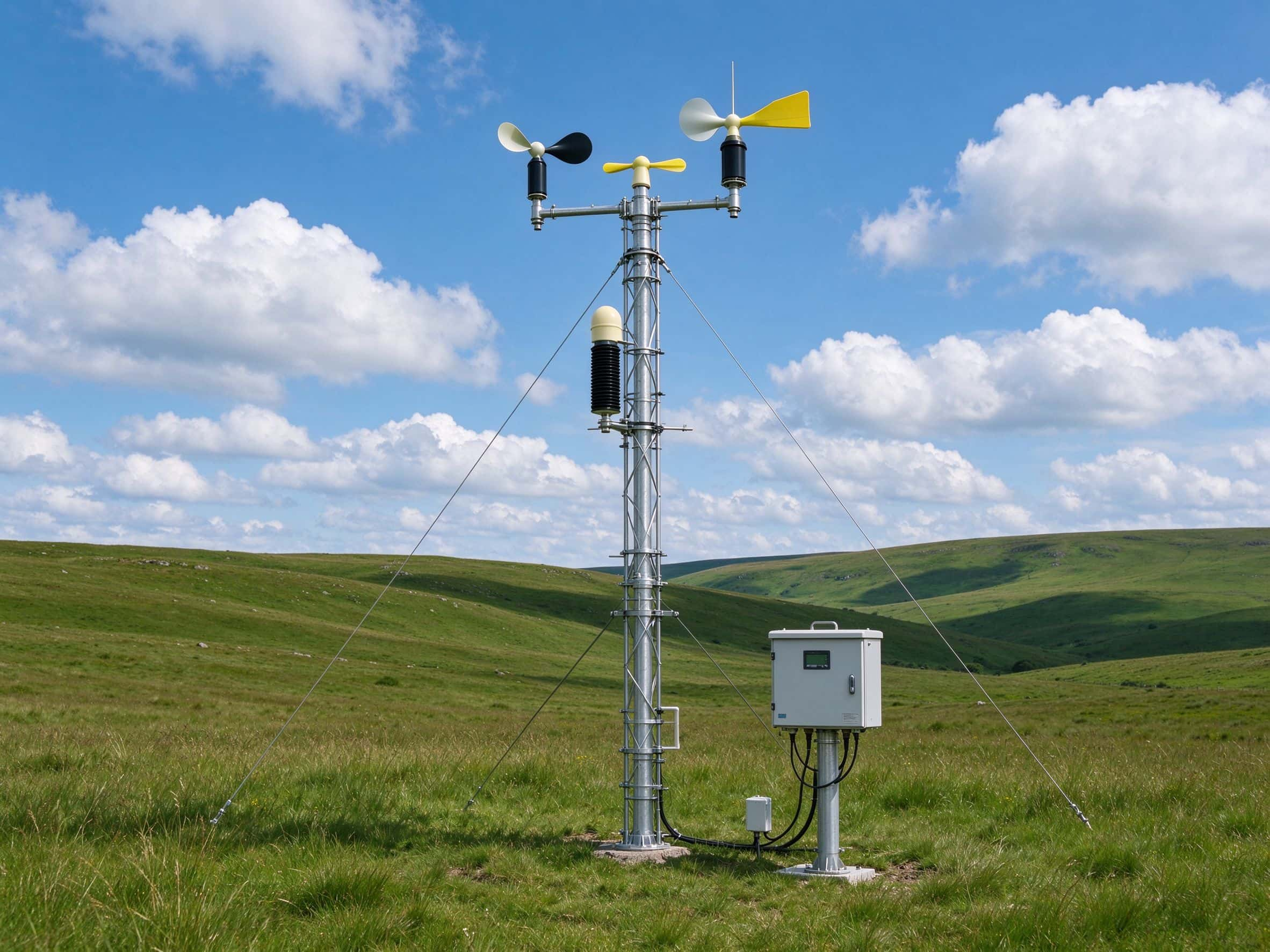
Ground-level wind speed differs sharply from hub-height wind speed. Most small turbines mount on towers 10 to 30 meters tall. Wind speed increases with height because the ground exerts friction. A site that looks calm at eye level may have strong wind 20 meters up. For serious projects, install a met mast with anemometers at the planned hub height. Collect data for at least 12 months. That covers all seasons and gives a realistic picture. Short-term measurements can mislead you. A few weeks of strong spring wind does not represent the full year.
Compare Wind Conditions With the Turbine’s Operating Specifications
Every turbine has three key speed numbers. Cut-in speed is the minimum wind speed needed to start generating power. Rated speed is the wind speed at which the turbine reaches its maximum power output. Cut-out speed is the safety limit at which the turbine shuts down to avoid damage. Check the wind-speed requirements for the wind turbines you are considering. If your site’s average wind sits near the cut-in speed, the turbine will run only a few hours each day. If average wind is close to rated speed, the turbine produces near its nameplate for much of the year. Match the turbine to the wind, not the other way around.
Which Site Conditions Affect Wind Turbine Performance?
Good wind is necessary but not sufficient. Even a windy ridge can become a poor site if obstacles, space limits, foundation problems, or local rules block installation. The four site factors that most often derail small wind projects are terrain and obstacles, space and setbacks, foundation conditions, and noise or environmental constraints.
Evaluate Terrain, Elevation, and Nearby Obstacles
Ridgetops and open plains generally produce the best wind. Valleys can channel wind in useful directions or create turbulence depending on their shape. Trees and buildings create wind shadows downstream. A turbine placed even a few hundred meters behind a dense tree line will underperform. Survey the site from the proposed turbine location. Note all obstacles within several rotor diameters. Look for trees that will grow taller over the next 20 years. What looks clear today may be shaded by mature trees in a decade.
Check Available Space, Setbacks, and Access
Wind turbine site suitability depends on more than wind. You need enough space between the turbine and buildings, property lines, roads, and overhead power lines. Local setback rules vary widely. Some require clearance equal to several times the total height. Access matters for installation and maintenance. A crane or truck must be able to reach the site. A turbine on a remote hill with no road may cost far more to install than its energy output justifies.
Assess Foundation Conditions and Structural Requirements
Turbine foundations require a concrete pad sized for tower height and local soil. Soft soil, rock, or high water tables all change foundation design. Do not place underground pipes, cables, or septic systems under the foundation. Soil bearing capacity affects both cost and safety. Weak soil may require deeper footings or piles. That adds to budget and construction time.
Consider Noise, Visual Impact, and Environmental Constraints
Turbines make noise. The sound comes from the blades moving through air and the generator inside the nacelle. Noise levels drop with distance but can be noticeable near homes. Shadow flicker from rotating blades can bother neighboring properties at certain sun angles. Birds and bats are a real concern in some areas. Sites near migratory paths or nesting colonies may face restrictions. Local zoning rules may also limit turbine height or visual impact on the landscape.
How Do You Determine Whether a Wind Project Is Feasible?
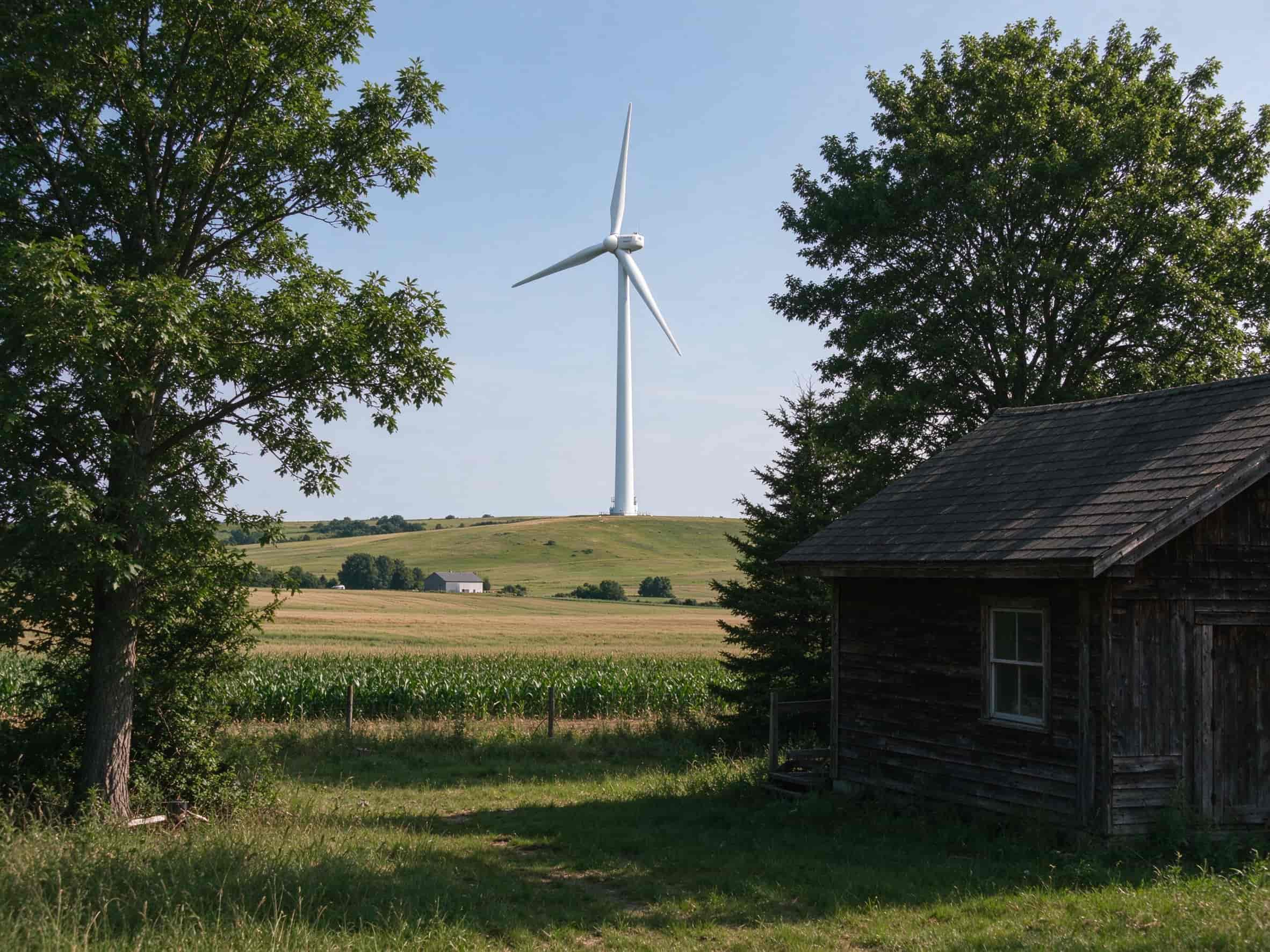
Once wind and site conditions look promising, the final question is whether the assess wind power project makes economic and regulatory sense. Small wind turbine feasibility comes down to four checks: matching turbine capacity to your actual demand, estimating real annual energy production, counting all costs and payback, and confirming permits and grid connection are possible.
Match Turbine Capacity to Your Electricity Demand
Avoid sizing a turbine by its nameplate rating alone. A 5 kW turbine rarely produces 5 kW around the clock. Its output depends on wind speed. Size the turbine based on how much energy you actually use each year, not how much power you want at a given moment. For off-grid systems, add battery storage and a backup generator. For grid-connected systems, confirm whether you can export surplus power and what rate the utility pays. Complete wind systems usually include more than just the turbine itself.
Estimate Annual Energy Production and System Losses
Use the turbine’s power curve combined with your measured wind distribution. Multiply hours at each wind speed by the power output at that speed. Sum the results to get annual energy. Then apply system losses for wiring, inverter efficiency, turbulence, and downtime. Expect a real-world output well below the nameplate ideal. Turbine availability typically runs 90 to 95 percent. Routine maintenance, repairs, and extreme weather shut it down occasionally. Plan for those gaps.
Review Installation Costs, Maintenance, and Payback
Budget for more than the turbine price. Tower, foundation, transportation, crane rental, electrical work, and permits often add as much as the turbine itself. Maintenance includes annual inspections, lubrication, part replacement, and occasional blade or generator service. Calculate simple payback: total installed cost divided by annual electricity savings. Most small wind projects take many years to pay back. In areas with low grid electricity prices, the math rarely works out. In remote locations with high diesel costs, wind can pay back much faster.
Check Permits, Grid Connection, and Local Requirements
Before buying equipment, confirm what permits your local government requires. Setback rules, height limits, noise ordinances, and home association restrictions can all block a project. Grid-connected turbines also need utility approval for interconnection. Skipping this step and discovering after installation that you violated a setback rule is an expensive mistake. Do the regulatory check first.
|
Assessment Dimension
|
Green Light Signals
|
Needs Further Check
|
|---|---|---|
|
Wind resource
|
Reliable data at hub height, good average speed
|
Only distant weather station data
|
|
Site conditions
|
Clear obstacles, adequate space, road access
|
Heavy shading or tight setbacks
|
|
Turbine match
|
Power curve fits local wind distribution
|
Sizing by nameplate only
|
|
Economics
|
Energy output matches lifecycle costs
|
Installation and maintenance costs unclear
|
|
Compliance
|
Permits and setbacks confirmed
|
Noise or land-use rules unresolved
|
Note: This table is a screening framework, not a legal standard. Actual decisions depend on local regulations, equipment specs, and project scale.
Make a Site Decision Based on Measured Wind Conditions
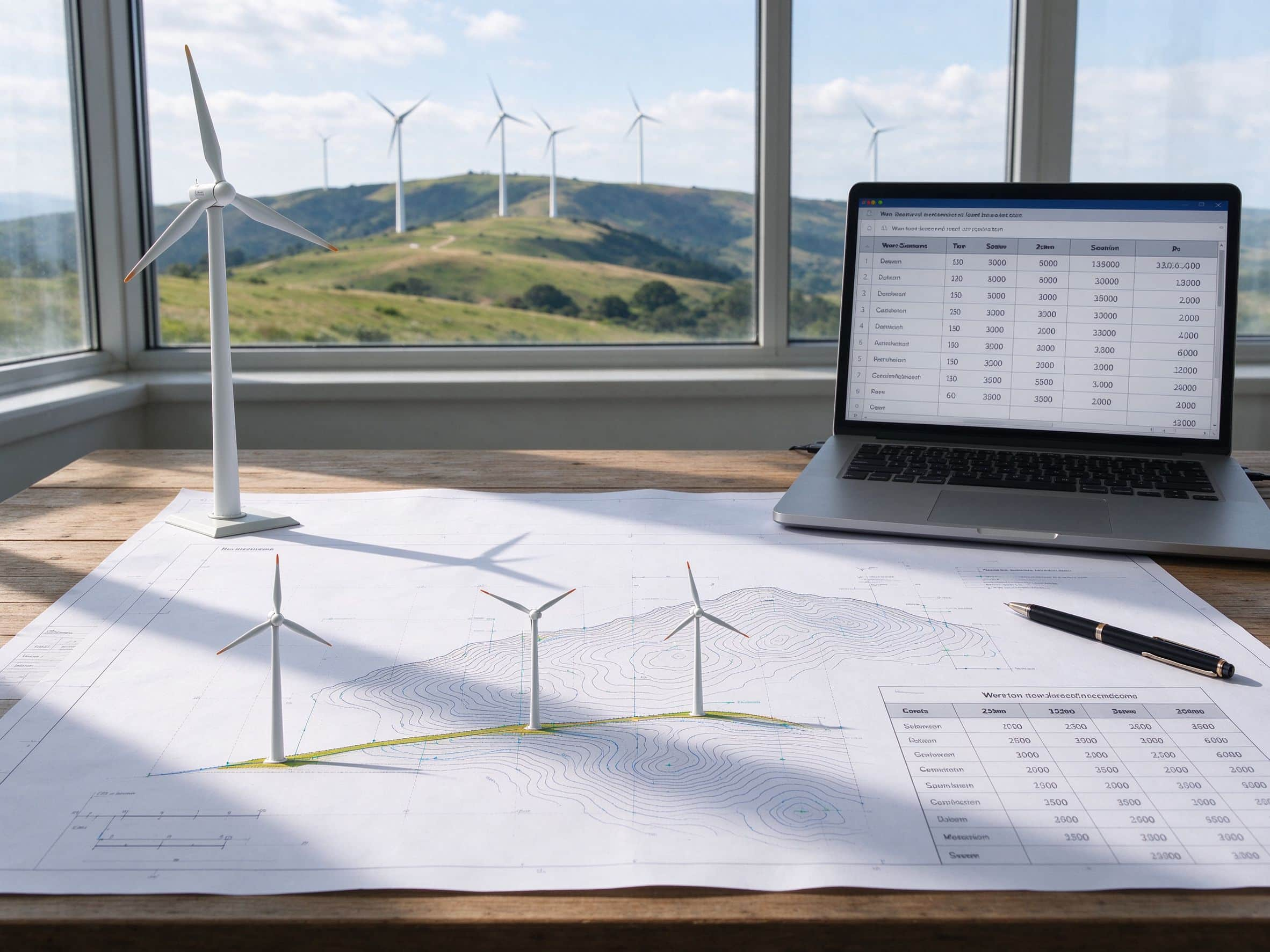
To assess wind power properly, you need three things: solid wind data at hub height, site conditions that support safe installation, and a financial picture that matches your energy goals. Public wind maps give a starting point. They never replace on-site measurement for a serious project. Wind that looks good on paper can be turbulent or seasonal in reality. A site with strong average wind but no access or no permits still cannot host a turbine. Match the turbine to the wind, the site to the rules, and the budget to the expected energy output. Before you buy or sign a contract, spend time measuring wind at your proposed height. Walk the property for obstacles. Call the building department about setbacks. A few weeks of due diligence saves years of underperformance.
