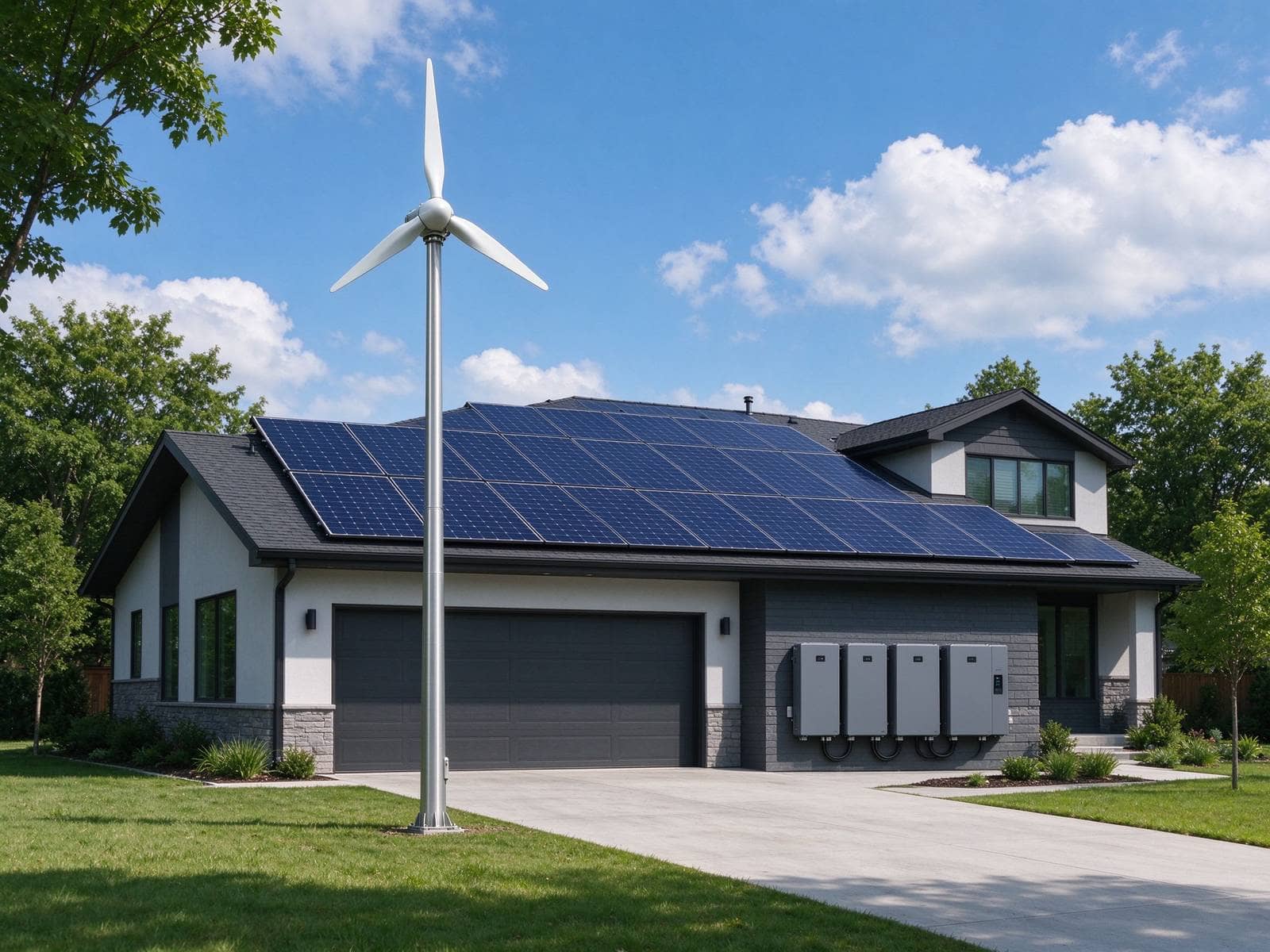
How do Solar + Wind Hybrid System with Energy Storage System?
Solar panels produce power only during daylight. Wind turbines generate more at night or during storms. Neither source alone matches your daily load curve. That mismatch is why Solar + Wind Hybrid System batteries combine multiple generation sources into one coordinated setup. Storage solves the timing problem. It absorbs surplus generation when supply exceeds demand. It releases power when generation drops, or consumption rises. The whole system needs compatible power-conversion equipment, coordinated controls, and a clear energy management strategy to run reliably. Performance depends on the right mix of generation sources, properly sized batteries, compatible inverters, and smart control logic. A poorly matched system wastes money on oversized equipment or runs out of power on calm, cloudy days.
Solar + Wind Hybrid System With Energy Storage
An integrated hybrid power system combines generation sources, battery storage, power-conversion hardware, and control software into a single, working setup. DC coupling connects everything to a single voltage bus. AC coupling ties each source through its own inverter to a common AC bus. The choice between them depends on site layout, equipment compatibility, and expansion plans.
What Are the Main Components of a Solar + Wind Hybrid System?
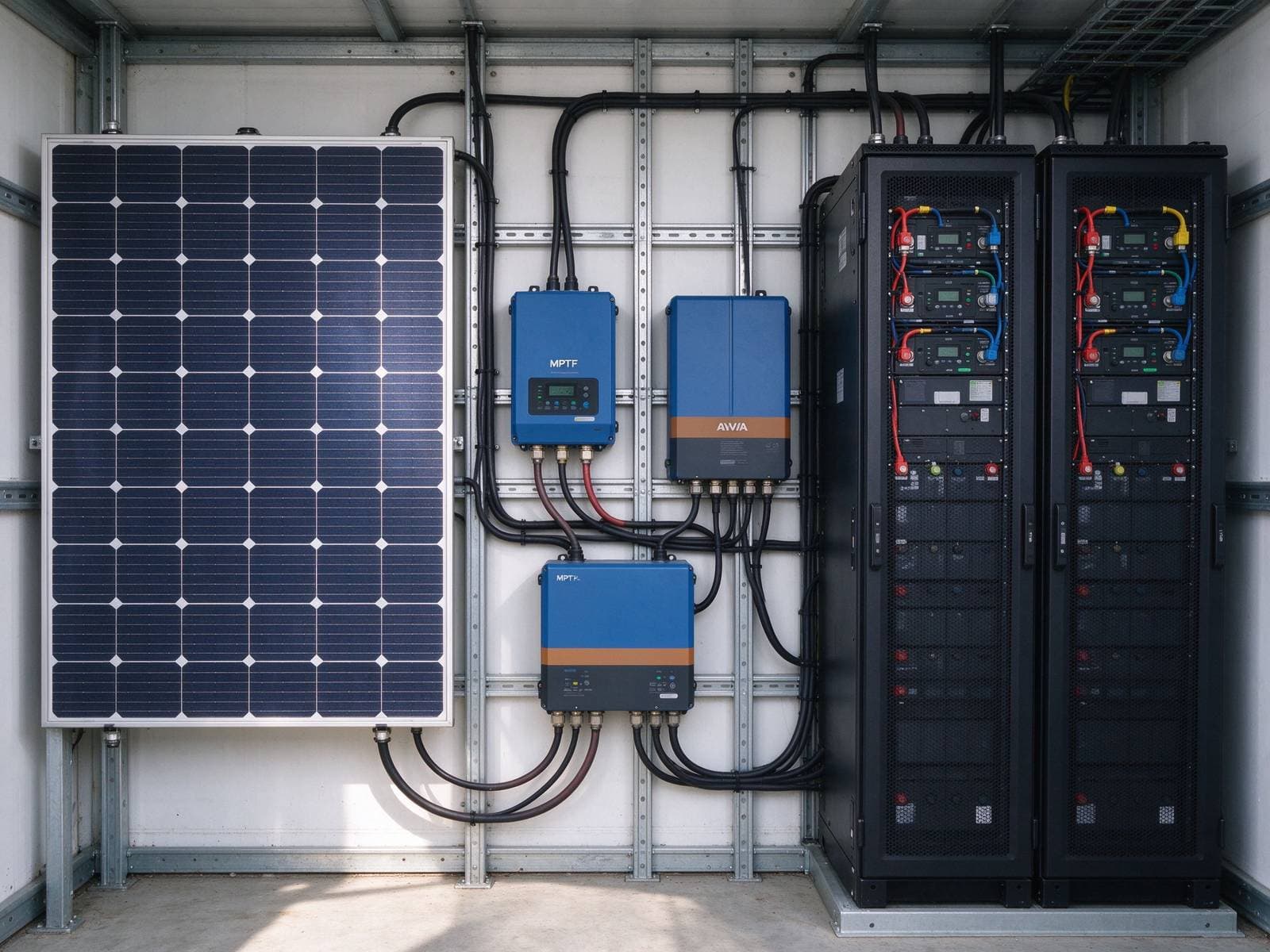
Every working setup shares the same core groups. Generation sources include solar panels, wind turbines, small hydro, or a backup generator. Storage comes from a battery energy storage system (BESS). Power conversion uses inverters, charge controllers, or bi-directional converters. Control runs through an energy management system and various protection devices. Exact configuration changes with scale. A residential system might use solar plus one battery bank. A remote microgrid adds wind, hydro, and diesel backup. The basic building blocks stay the same even when the number of devices grows.
How Are Renewable Generators Connected to Battery Storage?
Two main connection architectures exist. DC coupling links panels, wind turbines, and batteries through a common DC bus. One bi-directional inverter handles all conversion to AC. This setup works well for smaller systems with a tight layout. AC coupling gives each generator its own inverter. Panels have a string inverter. Wind has its own turbine inverter. Batteries connect through a bi-directional storage inverter. All outputs meet on the AC side. This approach suits larger systems or retrofits where existing equipment stays in place.
What Role Does the Energy Management System Play?
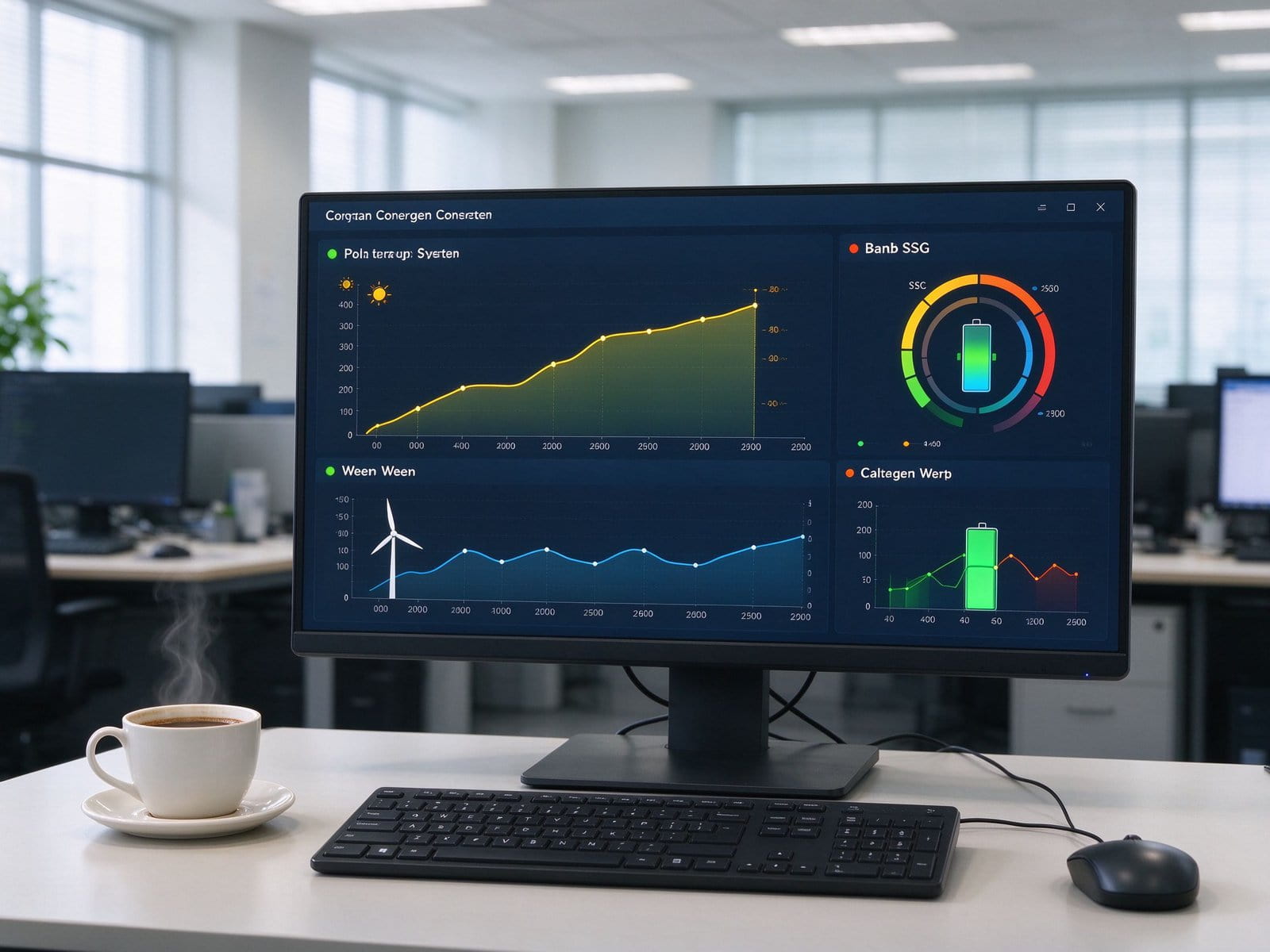
The energy management system (EMS) sits above the hardware. It reads real-time data from generation sources, batteries, and loads. It decides when to charge, discharge, or draw from the grid or generator. EMS schedules based on generation forecasts, battery state of charge, tariff signals, and load priority. It does not convert power itself. The inverter does that. EMS makes the decisions that make the whole system run efficiently. Without it, the system runs on basic timers or manual switches.
How Does Energy Storage Balance Power Supply and Demand?
Storage shifts energy in time, not in total volume. It charges when generation exceeds load. It discharges when load exceeds generation. Battery capacity, measured in kWh, determines how long it can supply power. Power rating, measured in kW, determines how big a load it can handle at once. Smart control coordinates multiple sources to fill gaps neither solar nor wind can cover alone.
How Is Excess Renewable Electricity Stored for Later Use?
When solar output peaks at midday, household loads usually run low. That surplus has to go somewhere. It charges the battery up to its maximum state of charge. In grid-tied setups, any extra beyond battery capacity exports to the grid for credit. Charging speed is not unlimited. Battery charge current has its own rating. Pushing more current than the battery accepts reduces cycle life. EMS throttles charging to stay within safe limits. That balance between speed and longevity shapes daily operating patterns.
How Does Battery Storage Support Power During Low Generation?
Cloudy evenings combine low solar output with high household demand. Wind may or may not help—the battery steps in to cover the gap. Through the bidirectional inverter, it supplies AC power to home loads. Two numbers matter here. Capacity in kWh tells you how long the battery can run at a given load. Power in kW tells you the maximum load it can support right now. A 10 kWh battery at a 2 kW load runs for about 5 hours. The same battery at a 5 kW load runs for 2 hours. Sizing both correctly prevents either premature shutdown or wasted capacity.
How Does Smart Control Coordinate Multiple Energy Sources?
A renewable energy storage integration setup with solar, wind, and batteries needs logic to decide which source runs first. EMS follows priority rules programmed during setup. It might prioritize solar first, then wind, then battery, then grid or generator. Off-grid systems add extra layers. Low battery triggers generator start. High battery stops the generator. During shortfalls, critical loads get priority over non-essential ones. According to Energy Storage News industry coverage, well-tuned EMS can cut generator runtime by 50 percent or more in hybrid microgrids.
How Can You Design an Effective Solar + Wind Hybrid System Storage Configuration?
Good design starts with real load data, not with equipment catalogs. Battery sizing must match daily consumption and backup requirements. Inverter, battery, and controller compatibility determines whether devices can communicate. Real-world projects run into communication mismatches, undersized storage, and control-strategy errors that no amount of equipment quality can fix.
Match Storage Capacity to Energy Demand and Backup Requirements
Start with the site’s daily kWh usage. Then decide how many days of backup you want. Multiply daily load by target autonomy days to get total battery capacity. Apply depth-of-discharge limits. Most lithium batteries safely use 80-90% of their rated capacity. Power rating needs separate calculation. List all loads that must run at the same time. Add their startup surge requirements. Pick an inverter and battery that can handle that peak. Undersized batteries trip off when the refrigerator compressor kicks in.
Choose Compatible Inverters, Batteries, and Control Systems
Voltage ratings must match across the system. A 48V battery bank pairs with a 48V inverter. Communication protocols matter too. CAN bus, Modbus, and proprietary protocols do not automatically talk to each other. Check the manufacturer compatibility list before mixing brands. Grid-tied systems also need anti-islanding protection. Off-grid systems need seamless transfer between grid, battery, and generator. According to Smart Energy International analysis, interoperability gaps cause a significant share of hybrid system commissioning delays.
Address Common Integration Challenges in Real-World Projects
Output variability tops the list. Solar drops behind clouds. Wind dies in calm weather. Storage absorbs those fluctuations, but only up to its rated capacity. Extended calm, cloudy periods drain the battery and force the generator to run. Other common issues include incorrect control settings, battery thermal management problems, communication faults between devices, and expansion the original design didn’t anticipate. A solar wind battery hybrid system works well when designed for local conditions. It underperforms when sized from averages without checking seasonal extremes.
Integration Success Depends on Matching Every Layer
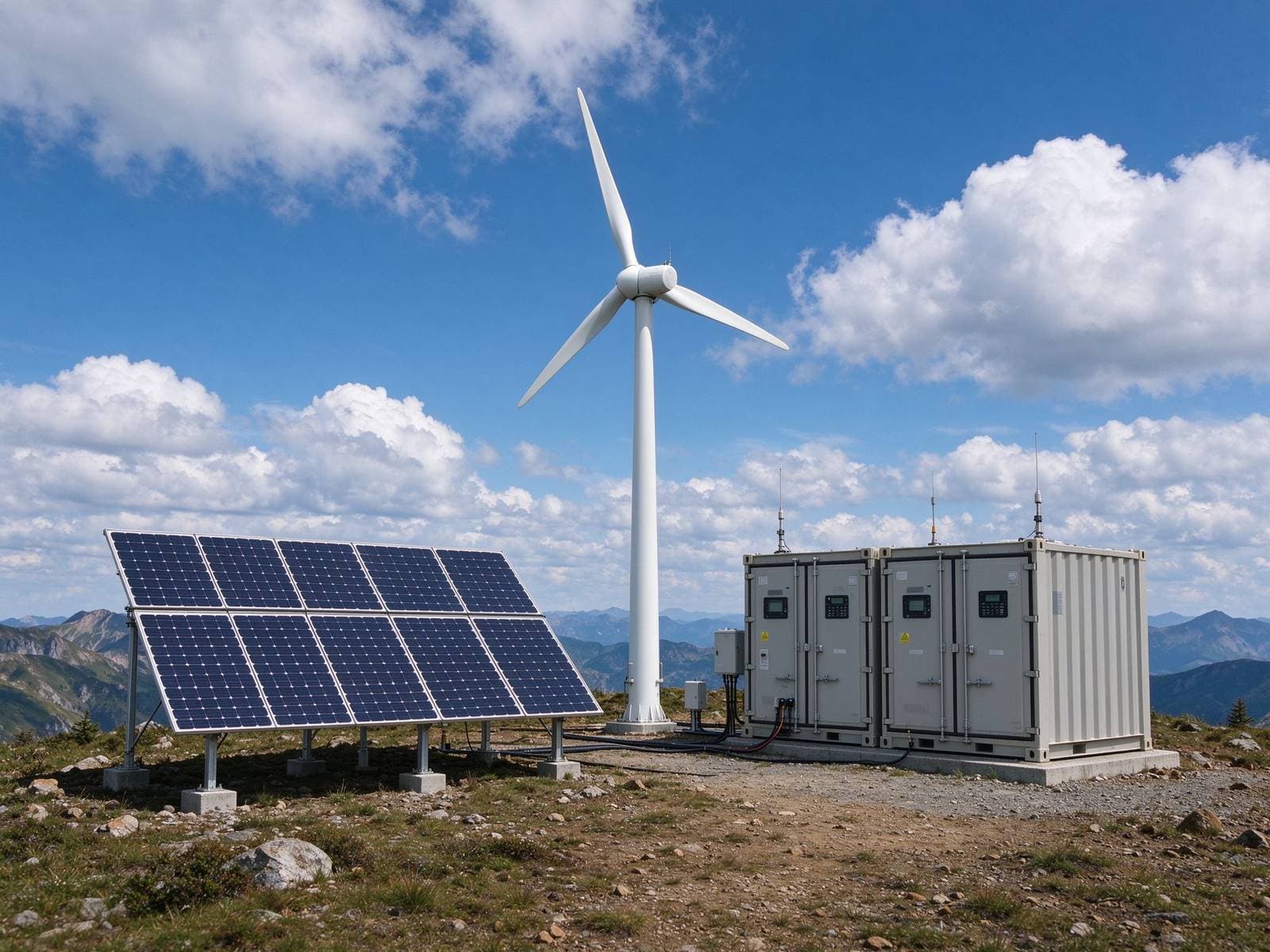
A Solar + Wind Hybrid System integrates generation sources, storage, power conversion, and control into one coordinated operation. Storage shifts surplus energy to times of deficit. EMS decides when each source runs. The whole setup works only when all layers match. Start with real load data. Size the battery for both energy capacity and peak power. Choose devices that use the same communication protocol. Plan for seasonal extremes, not just summer averages. These steps prevent the most common integration failures.
