The Process of Solar Power Generation: From Start to Finish
The process of solar power generation begins long before a panel produces its first watt. The team assesses the solar resource, usable area, orientation, shading, electrical demand, and connection options. Those decisions shape the array size, equipment selection, and expected output. Once the system is installed, the path is direct: sunlight hits the photovoltaic cells, which produce direct current, and an inverter converts it to alternating current for the building or grid. Understanding that route helps owners compare designs and see where production can change.
What Is the Process of Solar Power Generation?
Solar Power Generation is the controlled conversion of sunlight into usable electricity. It starts with site planning and module placement, then moves through DC production, AC conversion, and delivery to a load or grid connection. Battery storage can be added to the system, but it is optional, not required, for solar generation.
Step 1: Process of Solar Power Generation Begins When Photons Reach Modules
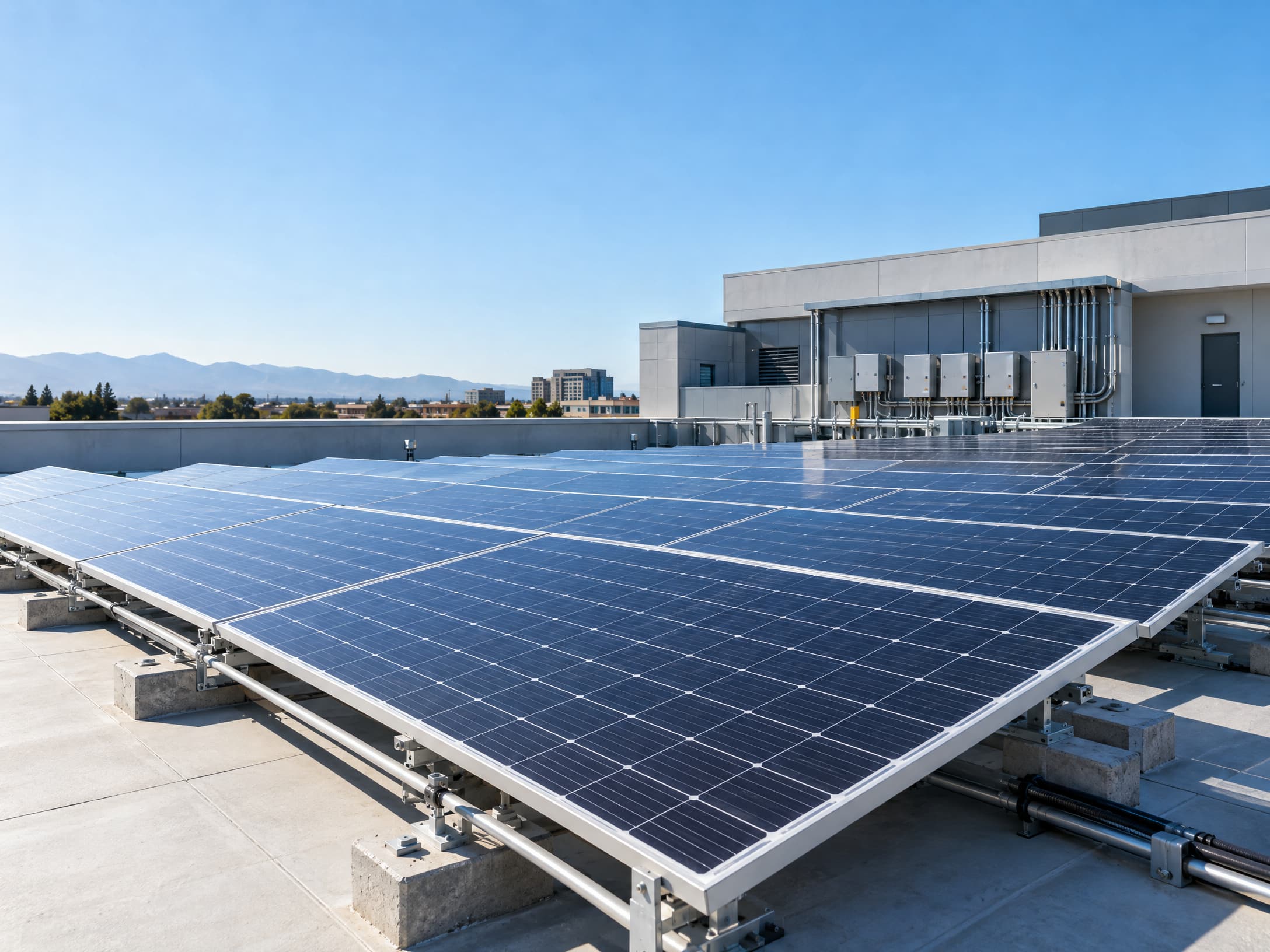
Sunlight carries photons, or packets of solar energy. When photons reach a module, some strike the glass and cell surface, while usable light reaches the semiconductor material inside its photovoltaic cells. The array must be sited to receive the planned sunlight without avoidable obstructions. Module layout is decided during planning. Designers consider available surface area, orientation, tilt, structural constraints, cable paths, and shadows across the day and year. As a result, good planning supports predictable operation before electrical work begins.
Step 2: Solar Cells Make DC Power
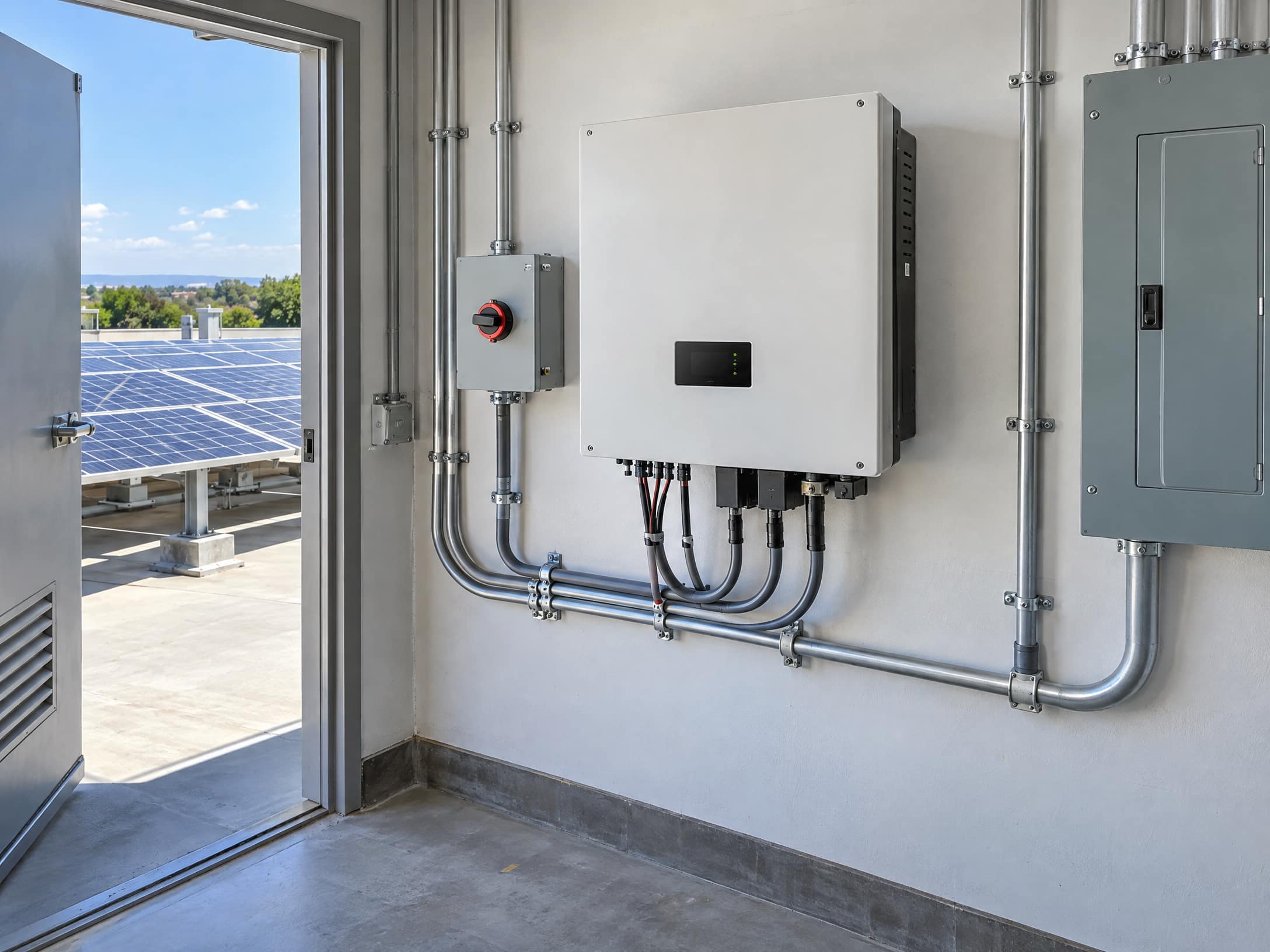
Absorbed light energises electrons in the cell. That movement creates a voltage difference and causes direct current (DC) to flow when the cell is connected in a circuit. Modules combine many cells, and strings and arrays connect modules to provide the required voltage and capacity. This is the core process of photovoltaic power generation. PV panels output DC electricity, so the system needs suitable DC wiring, connectors, protection, and isolation equipment. The array then sends that DC electricity toward the inverter.
Step 3: The Inverter Makes AC Electricity
Most buildings and public electricity networks use alternating current (AC). The inverter therefore converts the array’s DC output into AC electricity that matches the system’s electrical characteristics. Inverters output AC, and their selection must suit the array configuration and connection design. The inverter also serves as a key control point. It coordinates solar electricity generation between the DC and AC sides. For a concise technical explanation of the cell and inverter roles, see the EIA PV overview.
Step 4: Electricity Serves Loads or Flows to the Grid
After conversion, AC solar electricity can serve active building loads through the electrical distribution system. If the design includes a grid connection, the system can also deliver electricity to that connection when operating conditions allow. The exact arrangement depends on the local interconnection design and the project’s objectives. A meter and monitoring equipment help record production and system status. These tools do not create energy. Instead, they show whether the solar energy generation process is tracking as expected and help identify issues that need attention.
Step 5: An Optional Battery Stores Electricity
A battery does not make a PV array produce electricity. It stores electricity for later use when the project design calls for it. In a battery-equipped system, controls manage when energy charges the battery and when the load uses stored energy. Storage is conditional. A grid-connected project may operate without a battery, while a hybrid or resilience-focused project may include one. Early decisions about load priorities, autonomy needs, and operating modes are central to a hybrid energy system design.
Factors That Affect Solar Electricity Production
Solar output changes with real operating conditions. Photovoltaic power generation depends on available light and system losses. Nameplate ratings offer a useful comparison point, but they don’t guarantee the same performance in the field.
Solar Resource and Module Temperature
The solar resource sets the light available to the array. Weather, season, and site location determine how much irradiance reaches the modules. Nameplate power is measured under standard test conditions (STC): 1,000 W/m² irradiance and a 25°C cell temperature. Actual module temperature can differ substantially from STC. Higher operating temperature can affect output, so production estimates should use local conditions rather than nameplate power alone. This is one reason annual energy yield and rated capacity are different measures.
Orientation, Tilt, and Shading Exposure
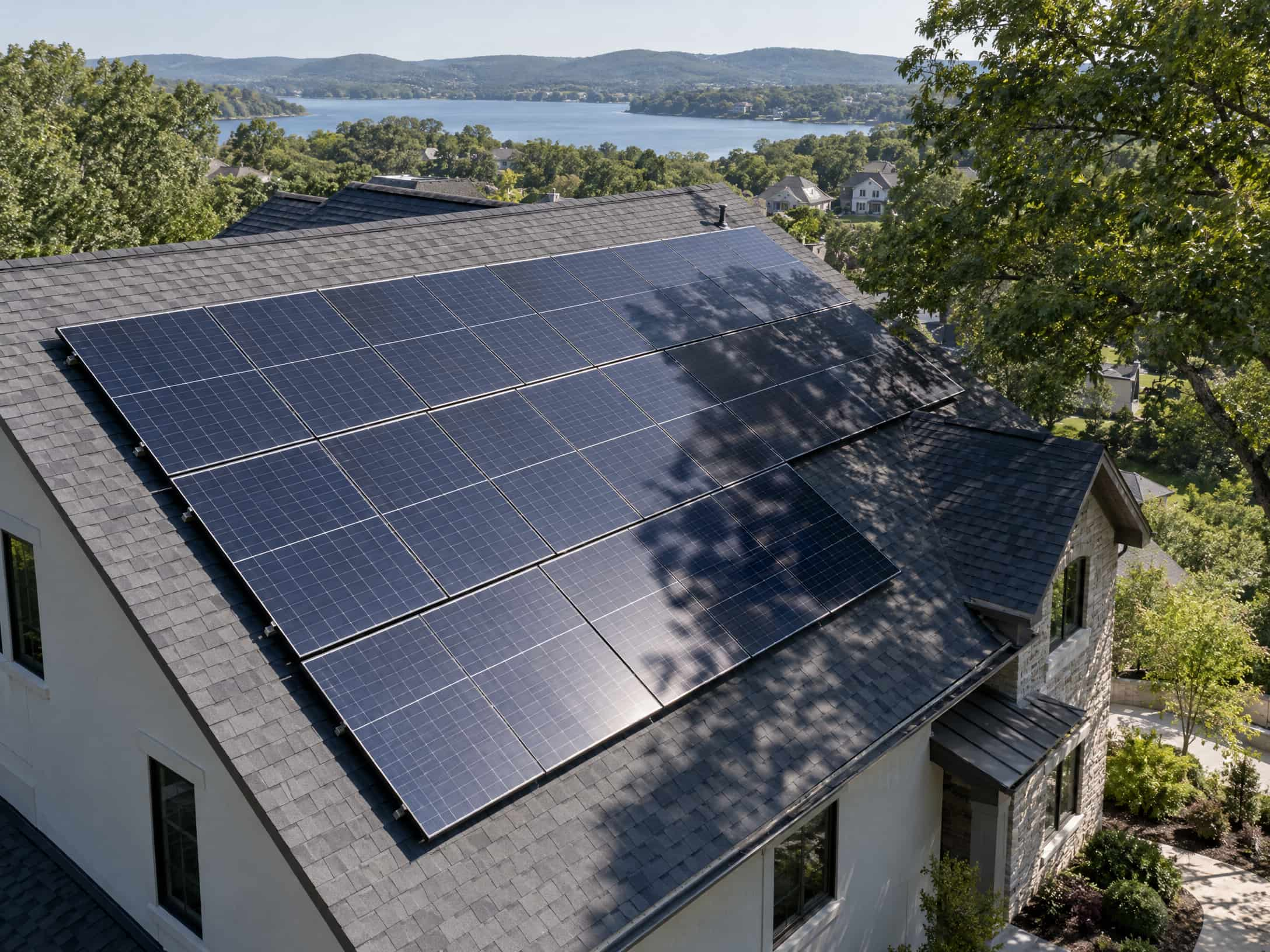
Orientation and tilt determine how light meets the array over time. A planned layout balances solar access, site limits, and the project’s production goals. Even a well-sized system can produce less when nearby objects cast shade on modules. Shading deserves close attention because its effect can vary with array layout and electrical configuration. A PV system performance analysis explains why real irradiance, temperature, availability, and balance-of-system losses can differ from nameplate conditions. Designers should assess likely shade patterns before choosing the final module layout.
Soiling, Electrical Losses, and System Design
Dust, dirt, leaves, and other soiling can reduce the light reaching the cells. Wiring and inverter losses also reduce the AC electricity available after conversion. Equipment configuration, conductor runs, and component selection influence those losses. System design brings these factors together. It sets the array size, string arrangement, inverter match, mounting approach, and optional storage strategy. So, the one-line diagram explains the solar power generation flow, but performance depends on the design behind every stage.
Plan the Path from Sunlight to Use
The solar power generation process turns sunlight into usable electricity through a clear sequence: capture light, create DC, convert it to AC, and serve loads or the grid. Optional battery storage can shift electricity to another time, but it is not essential to PV production. Start with the same questions that shape a dependable project: how much solar access exists, where equipment can go, which loads matter, and how electricity will be used. With those answers in place, planning can turn the solar resource on site into a system that delivers usable power.
