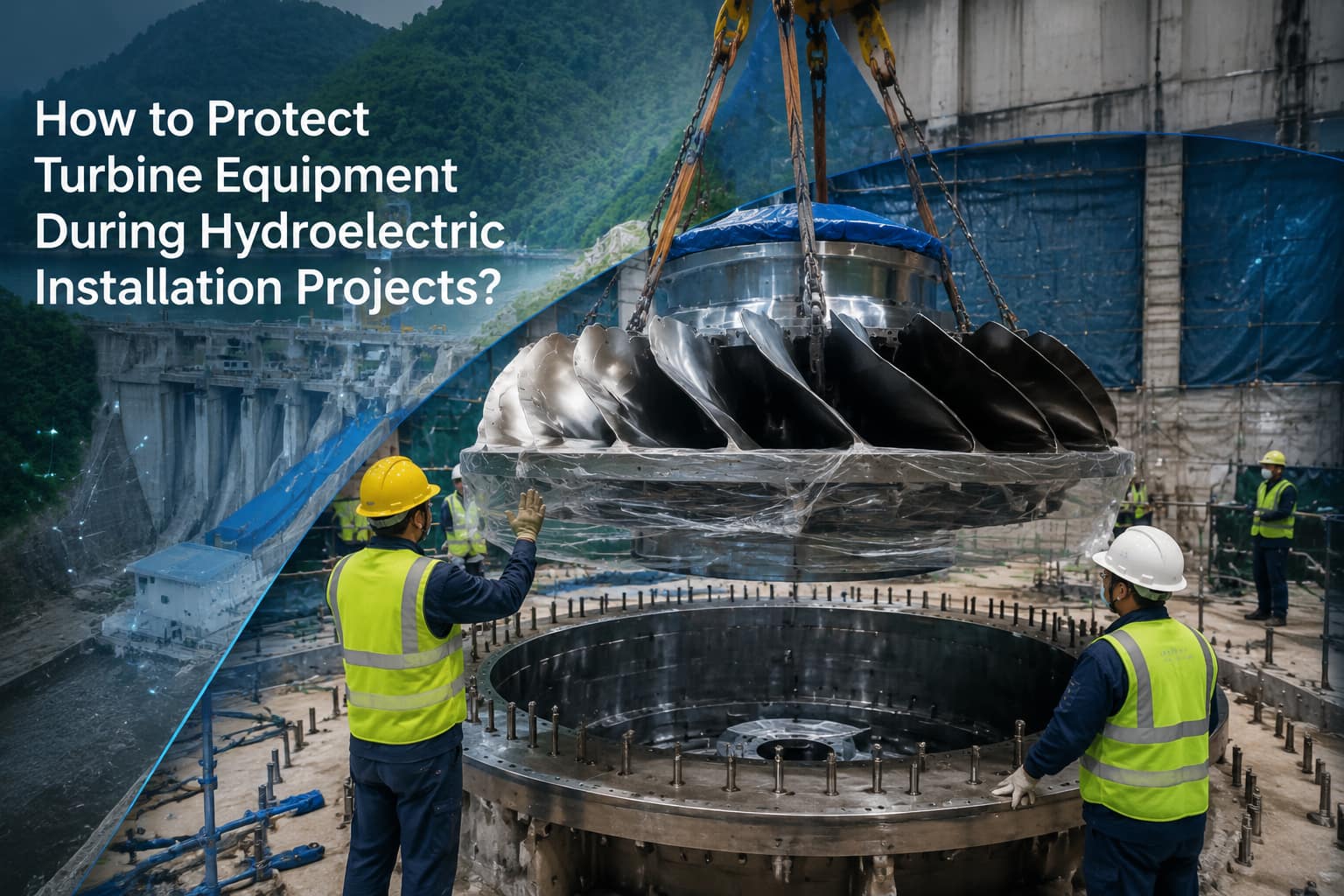
How to Protect Turbine Equipment During Hydroelectric Installation Projects?
Turbine equipment is a major component of a hydropower system, and its condition directly affects power generation performance and operating reliability. During hydroelectric installation projects, turbines may be exposed to risks caused by transportation, construction environments, and installation procedures. Proper protection methods help prevent equipment damage, reduce installation-related problems, and allow turbines to operate as expected after commissioning. By applying suitable handling practices, controlled installation procedures, and thorough inspections, project teams can maintain equipment quality throughout the installation process.
Identify Common Risks to Turbine Equipment During Hydroelectric Installation
Before starting a hydroelectric installation project, engineers need to evaluate possible risks that may affect turbine equipment. Turbine components are manufactured with strict dimensional requirements, and damage or deformation during installation may influence alignment accuracy, operating efficiency, and future maintenance needs.
During transportation and installation, turbine equipment may encounter several challenges. Improper lifting methods can cause surface damage or unnecessary stress on components. At the same time, construction sites may expose equipment to moisture, dust, and debris, which can affect metal surfaces and precision parts. Inaccurate installation procedures may also result in poor alignment between components and increase vibration during operation.
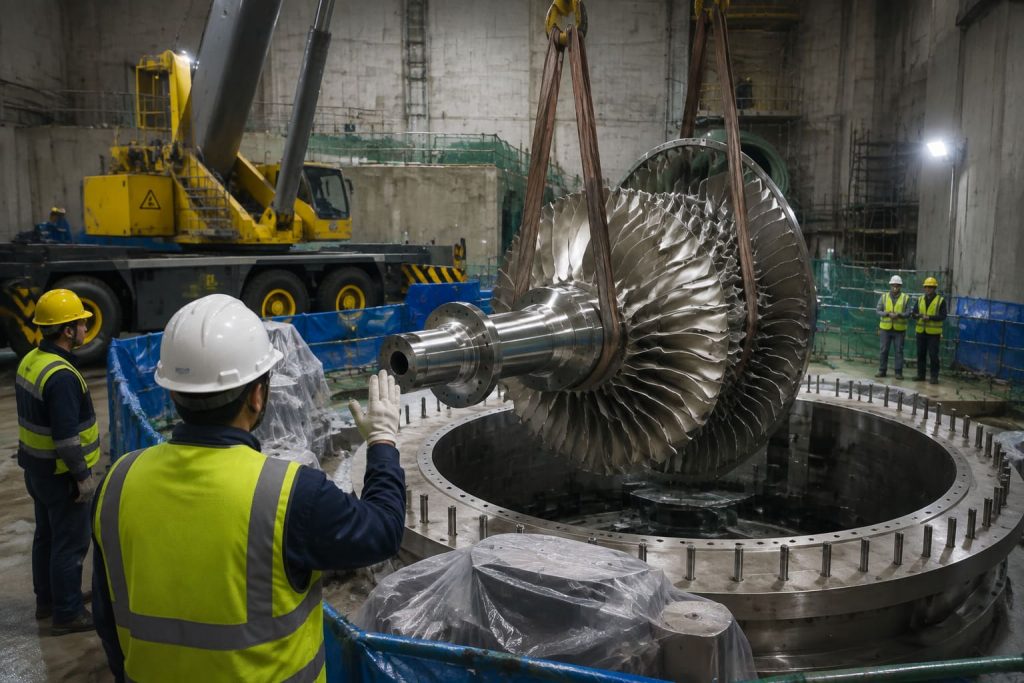
Common risks during hydroelectric installation include:
- Handling-related damage: Incorrect lifting points or unsuitable tools may cause scratches, deformation, or mechanical stress.
- Environmental exposure: Moisture, dust, and construction debris may lead to corrosion or contamination.
- Installation errors: Incorrect positioning or alignment may affect equipment performance.
To manage these risks, engineers usually prepare protection plans before installation begins. These plans include transportation arrangements, storage requirements, site preparation, and inspection procedures. Identifying potential problems early helps reduce unexpected issues during the hydropower equipment installation process.
Improve Equipment Handling and Storage
Proper handling and storage methods help maintain turbine equipment condition before and during hydroelectric installation. Since turbine components are large and often require complex transportation, careful planning is needed to avoid damage before assembly.
During equipment movement, lifting tools and methods should match the size, weight, and structure of each component. Incorrect lifting operations may place unnecessary stress on turbine parts or damage precision surfaces. Protective covers, support structures, and suitable packaging can help reduce risks during transportation and on-site movement.
Storage conditions should also be considered during the installation preparation stage. Hydropower construction sites may experience high humidity or changing weather conditions, which can increase the possibility of corrosion. Keeping equipment in clean and dry areas, together with applying temporary surface protection, helps maintain component quality before installation.
Regular inspections during storage allow engineers to identify issues such as rust, scratches, or contamination earlier. Addressing these problems before assembly helps avoid delays and supports a smoother hydropower equipment installation process.
Maintain Installation Accuracy and Component Protection During Hydroelectric Installation
The installation stage requires strict control of equipment condition, assembly procedures, and positioning accuracy. During hydroelectric installation, turbine components are assembled step by step, and improper handling at any stage may affect the final condition of the equipment. Engineers need to manage the working environment, installation accuracy, and component protection throughout the assembly process.
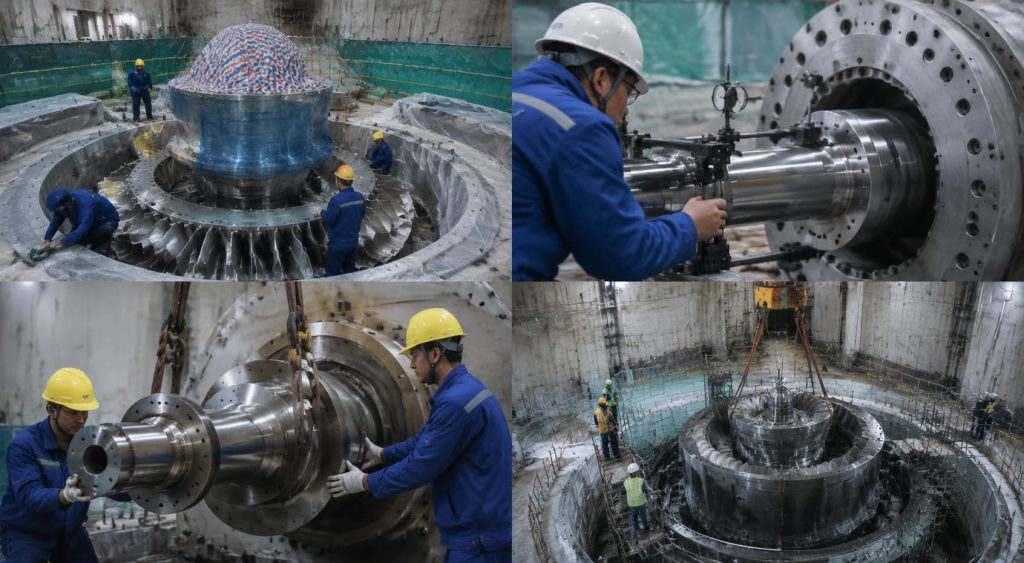
Control the Installation Environment
The installation environment directly affects the condition of turbine components during assembly. Hydropower construction sites often involve welding, machining, lifting, and other activities that may generate dust, metal particles, and debris. If these contaminants enter precision areas, such as bearings, sealing surfaces, or internal rotating components, they may affect the condition of these parts during operation.
To manage the installation environment, engineers usually separate clean assembly areas from other construction activities and apply temporary protection to exposed components. Moisture control is also necessary because many hydropower projects are located in areas with high humidity or frequent weather changes. Protective covers, dry storage spaces, and temporary surface protection methods are commonly used to maintain component quality before final assembly.
Verify Alignment and Positioning Accuracy During Hydroelectric Installation
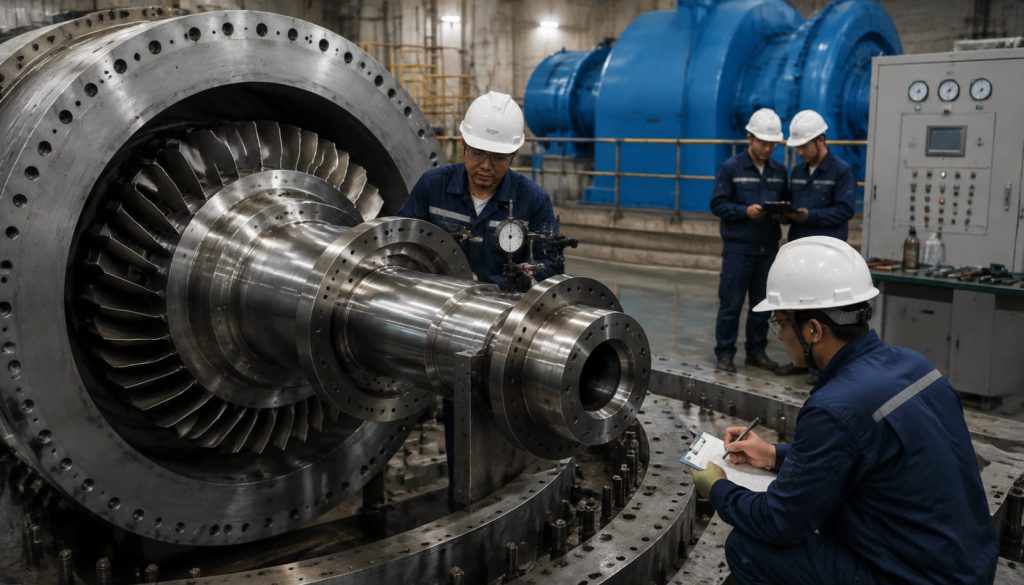
Alignment accuracy is an important consideration during hydropower equipment installation because turbine systems contain multiple rotating and fixed components that must work together. Components such as shafts, runners, and bearings require accurate positioning to meet design requirements. Small alignment deviations may create uneven loads or affect the mechanical balance of rotating parts.
During installation, engineers use measurement tools to check component positions at different assembly stages. Alignment inspections are carried out before connecting major components and before commissioning. If measurement results show deviations, adjustments are made during installation rather than after operation begins, when correction may require more time and resources.
Handle Sensitive Components Carefully
Certain turbine components require additional attention because their surface condition and dimensional accuracy directly affect equipment operation. Shafts, bearings, sealing systems, and other precision parts can be affected by scratches, contamination, or improper force during lifting and assembly. Even minor damage to these areas may influence the fitting accuracy between components.
During hydroelectric installation, sensitive components should be handled with suitable lifting tools and protective measures. Engineers inspect component surfaces before assembly, remove temporary protection according to installation procedures, and keep contact areas clean during installation. These practices help maintain the original manufacturing quality of turbine parts throughout the assembly process.
Conduct Final Inspection
After completing the installation work, a detailed inspection helps confirm whether turbine equipment is ready for commissioning. The final stage of a hydroelectric installation project provides an opportunity to identify installation issues and verify equipment conditions before operation begins.
Engineers usually check component alignment, fastening conditions, lubrication systems, and overall equipment status. These inspections help confirm that turbine components have been installed correctly and that no damage occurred during handling or assembly.
In addition to commissioning checks, ongoing maintenance planning supports stable turbine operation. Regular condition monitoring, corrosion prevention, and scheduled inspections help operators identify potential issues before they develop into larger problems.
Protecting turbine equipment during hydropower equipment installation projects requires attention throughout the entire process, from preparation and transportation to installation and inspection. With proper planning, careful handling, and accurate installation practices, hydropower operators can reduce equipment risks and maintain reliable system performance.
Ensuring Proper Turbine Protection Throughout Hydroelectric Installation
Protecting turbine equipment during hydroelectric installation requires attention at every stage, from initial preparation and transportation to final assembly and inspection. Equipment handling, storage conditions, installation accuracy, and component protection all influence the condition of turbine systems before commissioning. By managing these factors through structured procedures, engineers can identify potential issues early and maintain equipment quality throughout the installation process.
A well-organized hydropower equipment installation process combines careful planning with practical site management. Protecting turbine components is not limited to preventing visible damage but also includes maintaining alignment accuracy, protecting precision surfaces, and following proper installation requirements. Through consistent protection practices, turbine equipment can remain in suitable condition for operation and provide stable performance throughout its service life.
