How Renewable Energy Is Used in Daily Life
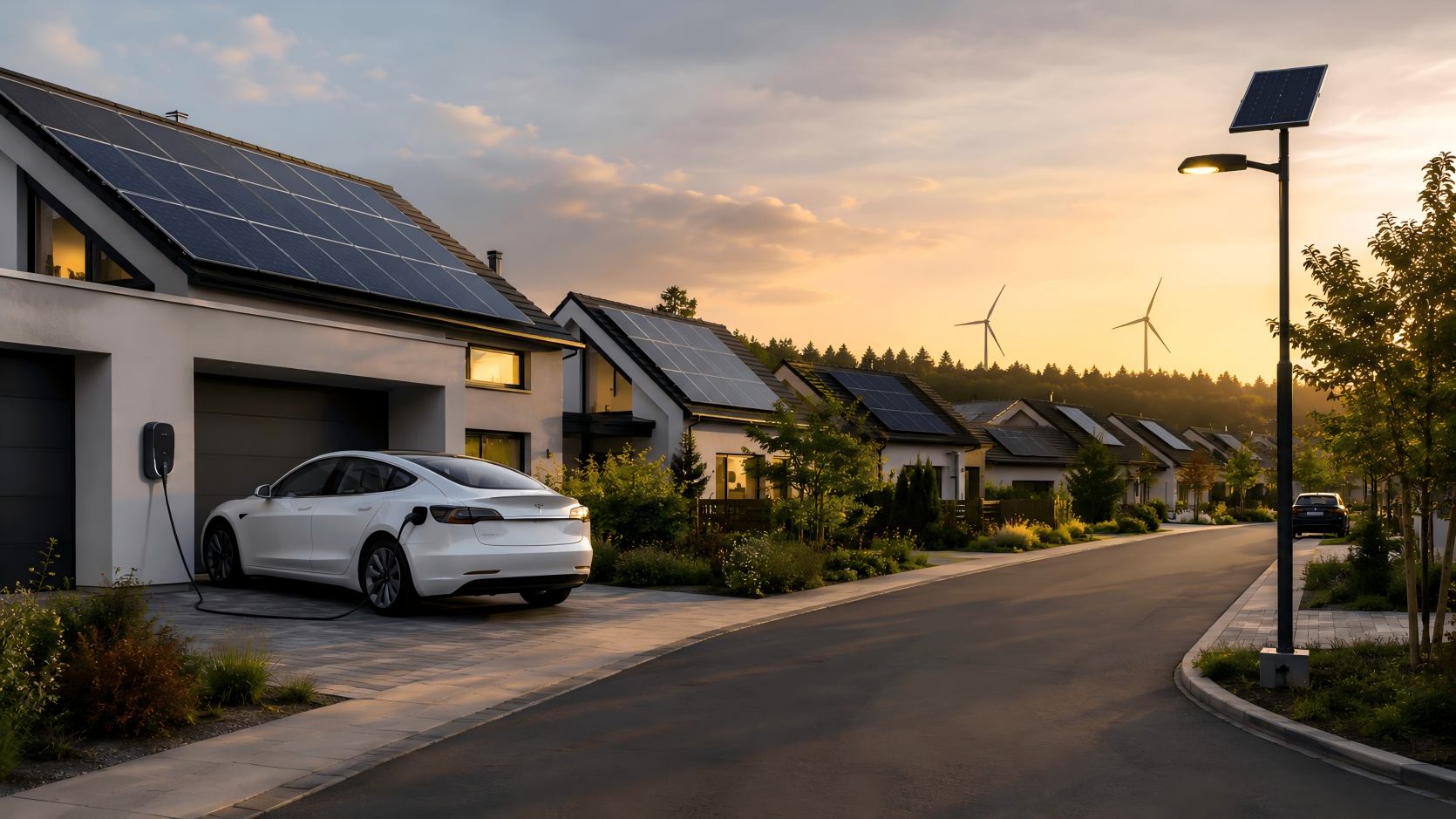
Renewable energy is used in daily life in more places than most people realize. It is not only found in large power plants or national grids. It appears on rooftops, in fields, along roadsides, inside vehicles, and in small devices people carry outdoors or keep at home for backup power. Here is a practical look at where clean energy is used in everyday life.
Solar Power at Home
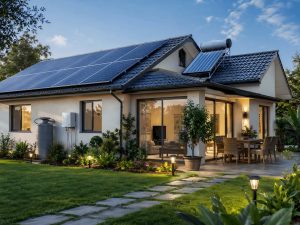
Rooftop solar panels are one of the most common forms of solar power at home. Homeowners install them to generate renewable electricity that offsets what they draw from the grid.
In apartments and urban settings, balcony solar panels let residents generate modest amounts of power without roof access. People usually mount these small panel systems on railings, walls, or compact outdoor spaces.
Other household applications include:
- Solar water heaters that use sunlight to heat water for showers and washing
- Solar garden lights that charge during the day and switch on automatically at night
- Small off-grid solar systems for cabins, sheds, or remote properties
- Solar-powered outdoor cameras for gates, gardens, and driveways
Renewable Energy in Transportation
Electric vehicles can use renewable electricity when they are charged by solar, wind, hydro, or other green energy sources. This includes passenger cars, delivery vans, and freight trucks.
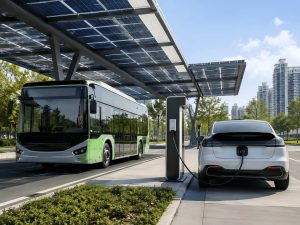
Public transit is also using more clean energy. Electric buses now operate on many city routes. Some charging stations are connected to renewable electricity networks, while others use solar-assisted charging infrastructure.
At ports and logistics hubs, electric forklifts, cranes, and ground vehicles use clean power for transportation tasks that once depended mainly on diesel.
Clean Energy for Heating and Cooling
Renewable energy is used in heating and cooling systems as well. Solar water heating systems are common in homes, hotels, and apartment buildings. They provide hot water for showers, cleaning, and daily building use.
Heat pumps are another example. Air-source and ground-source heat pumps use electricity to move heat instead of burning fuel directly. When powered by renewable electricity, they become part of a low-carbon heating and cooling system.
Residential buildings, schools, offices, and commercial facilities use these systems to support indoor comfort.
Wind Energy in Rural and Open Areas
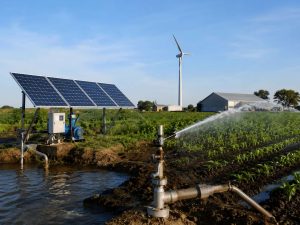
Wind energy is often used in places with open land and steady airflow. Farms, ranches, and rural properties may use small wind turbines to power irrigation pumps, outbuildings, lighting, or remote equipment.
In areas far from the grid, wind systems can provide off-grid power. They may support rural clinics, communication relay stations, agricultural processing facilities, and small local buildings.
Wind energy is also used with solar energy in some rural sites. When sunlight is limited, wind can still help provide electricity.
Hydropower for Local Communities
Hydropower is used in communities located near rivers, streams, or mountain water flows. Small-scale hydropower systems can generate renewable electricity for villages, riverside settlements, and local facilities.
A small run-of-river turbine can support lighting, refrigeration, appliances, and basic community power needs. In some regions, micro-hydro systems have supplied local electricity for many years.
Agricultural areas also use hydropower when flowing water is already part of the local environment.
Renewable Energy for Farms
Agriculture uses renewable energy across many daily tasks. Farms often have open land, sunlight, wind, and space for equipment, so renewable systems can fit naturally into farm operations.
Common examples include:
- Solar-powered irrigation for pumping water to crops
- Greenhouse lighting and climate control supported by solar power
- Farm lighting for barns, storage areas, and equipment sheds
- Cold storage for produce using solar energy and energy storage
- Small wind turbines at exposed agricultural sites
- Off-grid power for remote farm buildings or sensors
These applications help farms use clean energy for routine work, not only for large power projects.
Backup Power for Homes and Small Businesses
Solar panels combined with battery energy storage can provide backup power for homes and small businesses. When the grid goes down, stored energy can keep lights, refrigerators, communication devices, and basic equipment running.
Remote cabins and off-grid properties may use this setup as their main power source. Small shops can also use solar-plus-storage to support security systems, point-of-sale terminals, and essential lighting during outages.
Backup power is one of the most visible examples of renewable energy in daily life because people notice it during power cuts.
Renewable Energy in Public Spaces
Renewable energy is used in many public spaces, even when people do not pay much attention to it.
Solar street lights are common in towns, parks, roadsides, and parking areas. Each light can operate with its own solar panel and battery, reducing the need for direct grid connection.
Other public applications include:
- Bus stop shelters with solar-powered displays and lighting
- Parking lot lights powered by solar panels
- Park lighting for walkways and public seating areas
- Public building rooftops that generate renewable electricity
- Community centers with on-site solar or wind systems
These examples show how green energy applications can support everyday public infrastructure.
Everyday Devices Powered by Renewable Energy
Small devices also use renewable energy. These products make daily renewable energy use more visible in ordinary life.
Examples include:
- Solar power banks for charging phones outdoors
- Camping lanterns with built-in solar panels
- Solar security cameras for driveways, gates, and remote properties
- Outdoor environmental sensors for air, soil, or weather monitoring
- Portable power stations charged by solar panels
- Solar garden decorations and small outdoor lights
These smaller applications show how people use renewable energy in simple daily situations.
A Practical View of Renewable Energy Use
Renewable energy is used across homes, transport, farms, public spaces, backup systems, and personal devices. Solar energy, wind energy, hydropower, and energy storage appear in different places for different daily needs.
These applications come from different renewable energy sources, including solar, wind, hydropower, and other clean energy systems. For many people, renewable energy is no longer something far away. It is already part of lighting, heating, charging, travel, backup power, outdoor activities, and local community use.
