Solar Energy Technology for Smarter Energy Cost Control
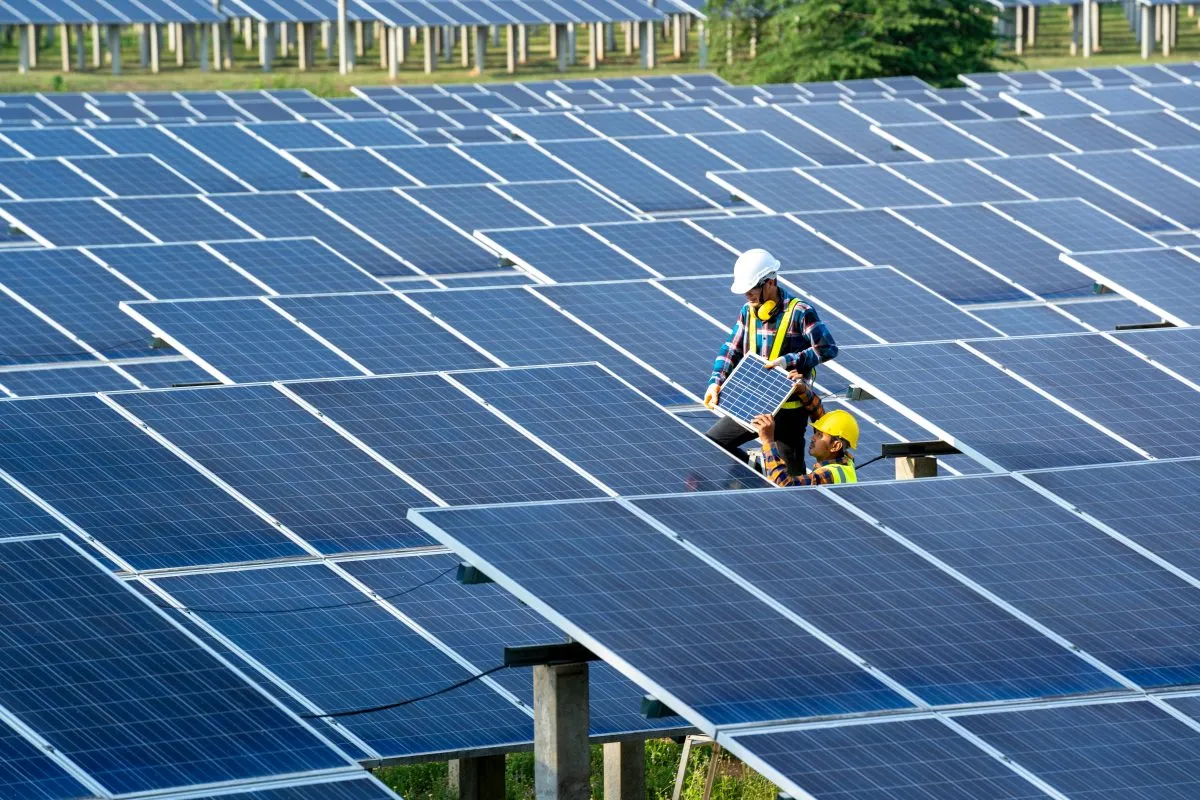
Solar Energy Technology addresses a critical challenge for businesses and homeowners alike: controlling energy costs. Fluctuating electricity prices, unpredictable demand charges, and growing environmental regulations force decision-makers to seek innovative solutions. By enabling users to generate clean, cost-effective on-site power, solar energy technology offers a viable, forward-looking solution. With advances in solar photovoltaic systems, energy storage, and smart management, solar technology offers a reliable way to reduce energy costs, improve budget predictability, and support sustainability goals.
How Solar Energy Technology Changes the Energy Cost Equation
Traditional energy cost models depend heavily on grid electricity prices, which can vary widely due to fuel markets, regulatory policies, and seasonal demand. These fluctuations make budgeting difficult and expose organizations to price volatility. In contrast, solar energy technologys transforms energy cost dynamics by enabling self-generation. Once installed, solar photovoltaic systems produce electricity at near-zero marginal cost, effectively locking in predictable energy expenses for years. This shift from fluctuating utility bills to stable, low-cost solar energy significantly enhances financial planning. Companies can forecast energy budgets with greater accuracy, reducing the risk of unexpected cost spikes. Moreover, as solar technology costs continue to decline, the economic benefits grow stronger, making solar investment an increasingly attractive option for smarter cost control.
Designing Solar Energy Technology Systems for Maximum Savings
An essential step toward effective energy cost control is the strategic design of solar energy technology systems tailored to a user’s unique needs. Proper system sizing based on historical energy consumption patterns and future projections ensures that solar arrays capture sufficient sunlight without overspending on capacity. Engineers analyze factors such as roof orientation, shading, local solar irradiance, and load profiles to optimise system design. Integrating solar photovoltaic systems with battery storage can further improve cost savings by storing excess energy for use during peak tariff hours or power outages. This hybrid approach maximises onsite energy utilisation and minimises reliance on expensive grid electricity during high-rate periods, thereby reducing overall energy costs.
Leveraging Smart Monitoring and Energy Management for Cost Efficiency
Modern solar energy technology solutions incorporate advanced digital monitoring and energy management platforms. These tools provide real-time visibility into system performance, energy production, and consumption patterns. By analyzing this data, users can identify inefficiencies, adjust load scheduling, and optimize energy use. Smart energy management systems dynamically balance solar generation with building demand, increasing the percentage of solar energy consumed onsite. This approach minimises grid imports and lowers energy bills. Additionally, predictive maintenance alerts help ensure systems operate at peak efficiency, preventing unexpected downtime that could increase costs.

Hedging Against Energy Price Volatility with Solar Photovoltaic Systems
Energy price volatility presents a significant financial risk. Unexpected increases in electricity rates or supply disruptions can strain budgets and reduce competitiveness. Solar photovoltaic systems act as a hedge against these risks by generating power onsite at stable costs. By locking in energy expenses through solar generation, businesses and homeowners gain financial predictability. This protection supports better cash flow management and long-term budgeting, empowering smarter energy cost control and strategic reinvestment.
Environmental and Regulatory Benefits Supporting Cost Control
Adopting solar energy technology not only reduces direct energy costs but also supports compliance with increasingly stringent environmental regulations. Many jurisdictions incentivise solar adoption through tax credits, rebates, and renewable energy certificates, which further improve financial returns. Moreover, integrating solar supports corporate sustainability goals and enhances brand reputation. Organisations that demonstrate commitment to clean energy often benefit from customer loyalty, investor interest, and potential regulatory advantages. These factors combine to create an indirect yet powerful contribution to overall cost control.

Addressing Implementation Challenges for Successful Cost Savings
Despite the clear benefits, deploying solar energy technology involves navigating challenges such as upfront capital costs, site feasibility, and regulatory approvals. Working with experienced engineering teams ensures that system design, permitting, financing, and installation are handled efficiently. Understanding local incentives, financing options like power purchase agreements (PPAs), and available warranties helps reduce barriers and optimise project economics. Proper maintenance planning and monitoring also safeguard long-term system performance, ensuring continuous cost savings.
Future Trends in Solar Energy Technology: Enhancing Cost Control
The solar industry continues to evolve rapidly, with innovations such as bifacial panels, improved energy storage solutions, and AI-driven energy management systems poised to further enhance cost savings. These advances increase panel efficiency, extend system lifespans, and enable smarter energy consumption patterns. By staying informed and partnering with knowledgeable providers, users can adopt cutting-edge solar energy technology that remains cost-effective and competitive in the long term, supporting smarter energy cost control strategies well into the future.
