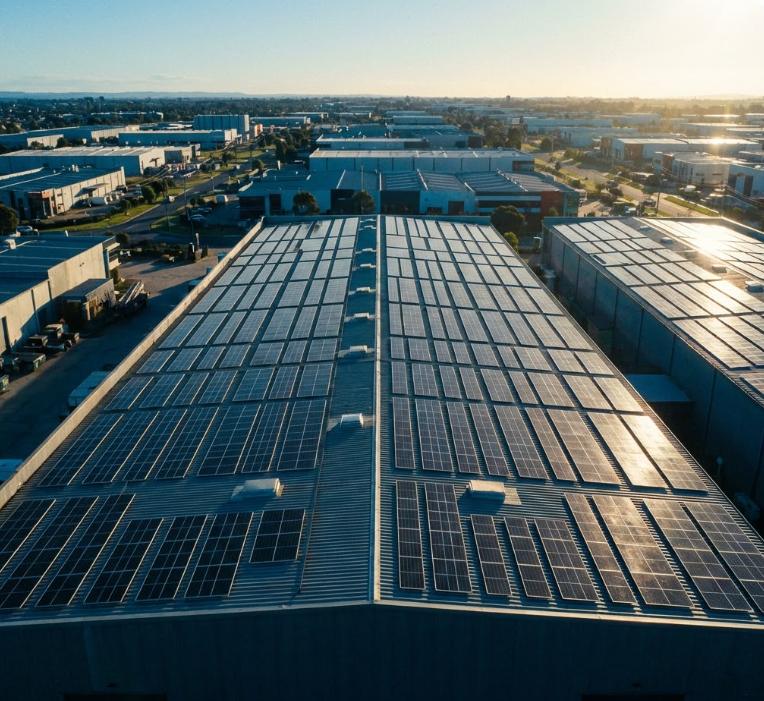
Choosing Between Monocrystalline and Polycrystalline Commercial Solar Panels
Picking out commercial solar panels usually boils down to a massive reality check. You basically just have to look at your actual roof space and figure out what your budget can handle before diving into the technical spec sheets. People always ask about monocrystalline silicon solar panels, and I always tell them to just think of them as the high-performance sports-car option. They are literally made from one single unbroken silicon crystal, which is exactly why they easily hit that 20 percent efficiency mark or even higher.
You are definitely going to pay a steeper price for that pure silicon, but if your facility roof is already packed with equipment, it is an absolute lifesaver. Then you have polycrystalline silicon panels, which are essentially the practical workhorses of the industry. The manufacturers just melt a bunch of silicon pieces together, so the efficiency naturally drops down to somewhere between 15 and 17 percent. Yes, you will absolutely need much more physical space to hit your power goals. But honestly, for a ton of business owners, saving a massive chunk of cash upfront completely outweighs the fact that the system takes up some extra roof or yard space.
The truth is, there is no single magic-bullet panel for every commercial or industrial setup. Only the panel makes your specific ROI numbers actually look good. Both of these products are built incredibly tough and carry a standard 25-year warranty, so you are getting reliable power either way you go. If you are trying to picture what this looks like when the installation crews show up, browse our commercial solar power services to figure out what makes the most sense for your specific building.
The Core Difference Between Commercial Solar Panel Types
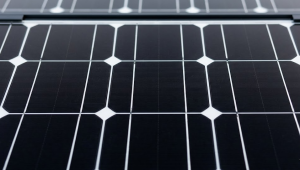
If you want to understand the real secret behind why monocrystalline silicon solar panels perform so incredibly well, you just have to look at the actual structure of the silicon itself. The whole thing is built around this completely seamless single-crystal design, which basically gives the electrons a clear path to zip around without encountering any resistance. That right there is exactly how they consistently push efficiency numbers well past that 20 percent mark. I always tell project owners that if you are dealing with a super tight footprint. However, you still need absolute maximum power generation… plus you want that stealthy black look on your roof… it is basically the only logical route to take. But then you have the polycrystalline silicon solar panels, which take a completely different approach by just melting a bunch of mixed silicon fragments together.
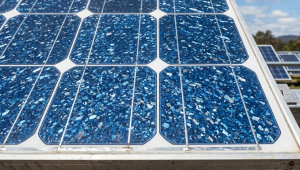
Sure, it massively reduces production costs at the factory level, but there is a totally unavoidable trade-off. All those little internal crystal borders essentially act like tiny speed bumps that slightly slow down the electrical current. Because of that, you are going to see efficiency drop to roughly the 15-17 percent range. They have that very specific blue-speckled look, and you just have to accept that you will need to carve out a much larger physical installation area to hit the exact same energy targets as the mono setups.
Commercial Solar Panel Comparison
| Factor | Monocrystalline | Polycrystalline |
|---|---|---|
| Efficiency | 20%+ | 15–17% |
| Space required | Less | More |
| Upfront cost | Higher | Lower (15–25% cheaper) |
| Appearance | Black | Blue speckled |
| Warranty | 25 years (both) | |
How to decide: space vs. budget
Do you have limited roof space? Are you renovating a small urban factory or a warehouse packed with HVAC equipment? When space is tight, monocrystalline panels definitely offer you the best bang for your buck. These panels generate more electricity per square meter. That means you hit your power goals without needing to cram in extra rows. The key is to maximize every inch of available space.
Having a large tract of open land? On the other hand, if you’re considering large-scale ground installations or vast agricultural land, polycrystalline silicon solar panels are even more attractive. If you have enough space to add more solar panels, the lower efficiency isn’t a problem. A closer look reveals the clear advantages of polycrystalline silicon solar panels: their upfront costs are 15% to 25% lower than monocrystalline silicon solar panels (data from EnergySage confirms this), meaning you can achieve the same energy goals while significantly reducing your initial investment.
Quality Standards for Commercial Solar Panels
Regardless of the type you choose, commercial solar panels, whether monocrystalline or polycrystalline, must meet stringent international standards such as IEC, TUV, and CE. These are not simple abbreviations; they represent critical stress tests for mechanical loads, salt spray, ammonia tolerance, and thermal cycling. In actual commercial operations, these certifications are the first line of defense against harsh environments. Most reputable Tier-1 suppliers offer a standard 25-year linear performance warranty for both technologies.
Here’s a professional piece of advice: When selecting suppliers, don’t just look at the certification marks on fancy brochures. Look for actual, detailed test reports. In the commercial solar panel industry, the real difference between a system lasting 25 years and one failing prematurely has nothing to do with whether it’s monocrystalline or polycrystalline silicon; it’s about the consistency of the manufacturing process.
High-quality production ensures every cell performs consistently. This consistency prevents early degradation and keeps your ROI on track. Curious how this tech will power your facility? Just browse our renewable energy solutions or reach out to us. We will provide the tailored advice you need to get your project moving smoothly.
Frequently Asked Questions
What are the differences between monocrystalline silicon and polycrystalline silicon commercial solar panels? Manufacturers craft monocrystalline silicon panels from a single, continuous crystal to push efficiency levels well beyond the 20 percent mark. Polycrystalline silicon panels are made from multiple silicon crystal fragments and have an efficiency of 15-17%. Monocrystalline silicon panels are more expensive but take up less space. Polycrystalline silicon panels are less expensive but require more space.
Which type of solar panel is better suited for situations with limited roof space? Monocrystalline silicon solar panels. Higher efficiency actually squeezes significantly more watts out of every single square meter. If space isn’t an issue, you can easily make up for the lower efficiency by just adding more panels to your array.
For large-scale installations, which type of solar panel offers greater cost-effectiveness? The answer is polycrystalline silicon. If you have plenty of room to work with, you can easily make up for the lower efficiency by just adding more panels to the array. Since each panel is 15% to 25% cheaper than monocrystalline silicon, the cost savings accumulate quickly in large ground-mounted projects.
