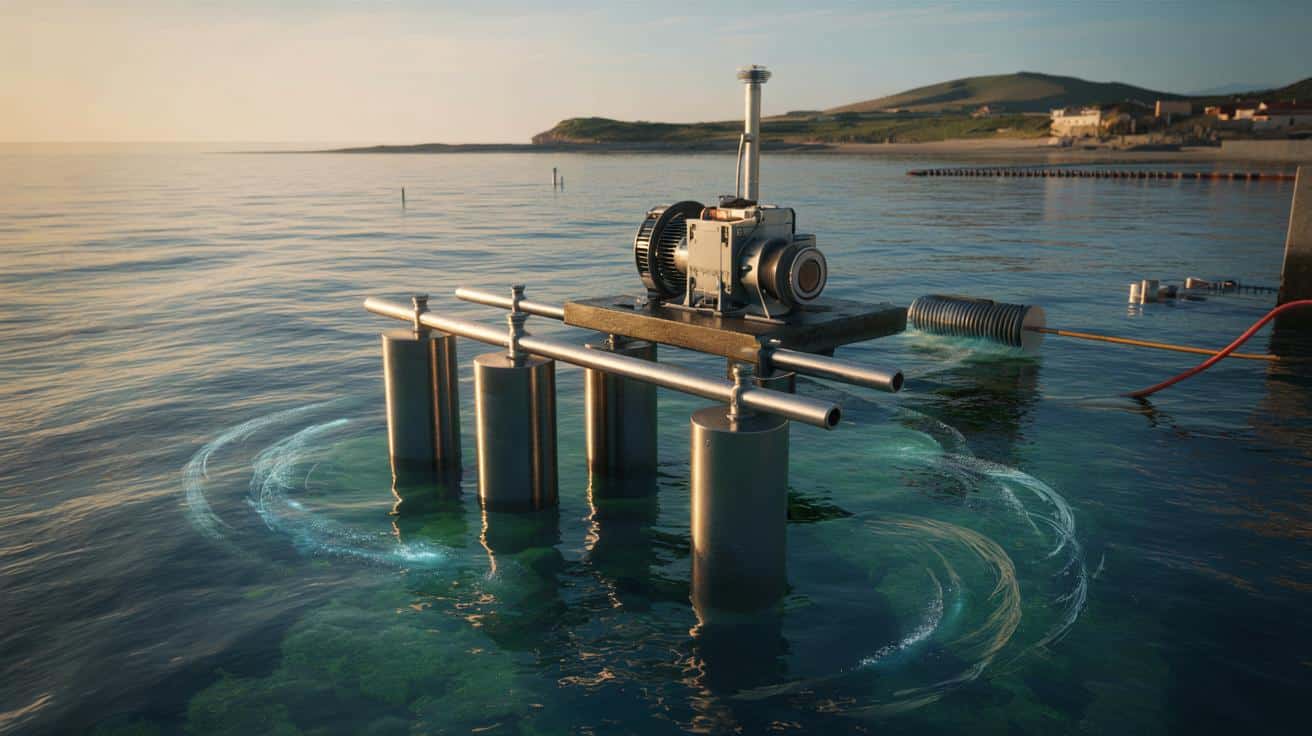
Turbine Water Power Systems for Energy Efficiency and Reliability
Turbine Water Power systems are no longer measured solely by the amount of electricity generated. Efficiency, stability, and long-term reliability are now key indicators of a system’s value. Every hydroelectric power system must convert water energy into electrical energy in a purposeful, controllable manner. Turbine Water Power lays the foundation for achieving this goal through balanced mechanical design and stable operating performance. These systems do not rely on complex structures but rather on rigorous engineering design to improve efficiency. This approach helps achieve stable energy production while minimising unnecessary losses.
Turbine Water Power Efficiency Advantages in a Hydropower Generation System
Energy efficiency is often a primary consideration for system buyers. Inefficiency increases operating costs and limits project profitability. A well-designed hydraulic turbine hydropower solution addresses this issue at the system level. In a hydropower system, the turbine geometry and flow control work together to minimise energy losses. Stable rotational speed also plays a crucial role. When these elements are coordinated, the system can operate near its optimal performance.
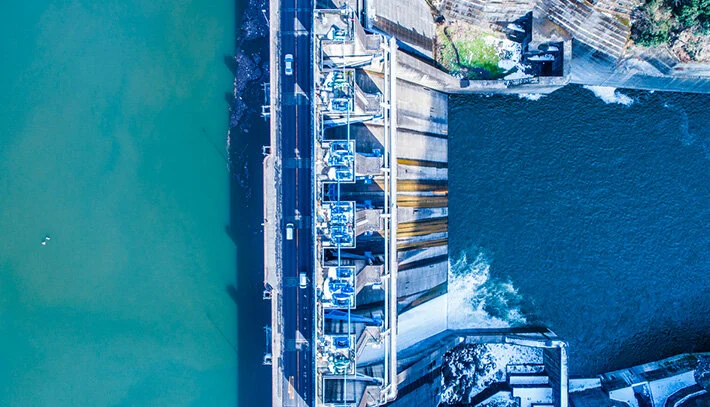
Reliability determines whether a system delivers value over time. Turbine Water Power systems are designed for continuous operation under changing conditions. Structural strength and mechanical balance reduce long-term stress. This stability is essential within any Hydropower Generation System. Consistent performance lowers the risk of unplanned downtime. It also protects critical components from premature wear. For operators, reliability means predictable output and fewer operational interruptions.
Turbine Water Power Adaptability within a Hydropower Generation System
Water conditions are rarely constant. Flow rates and load demands often change throughout the year. Turbine Water Power systems are engineered to adapt without sacrificing performance. In a modern Hydropower Generation System, flexible operating ranges support stable output under variable conditions. This adaptability helps maintain efficiency during partial-load operation. It also improves reliability during peak demand periods. As a result, the system remains productive across a wide range of operating scenarios.
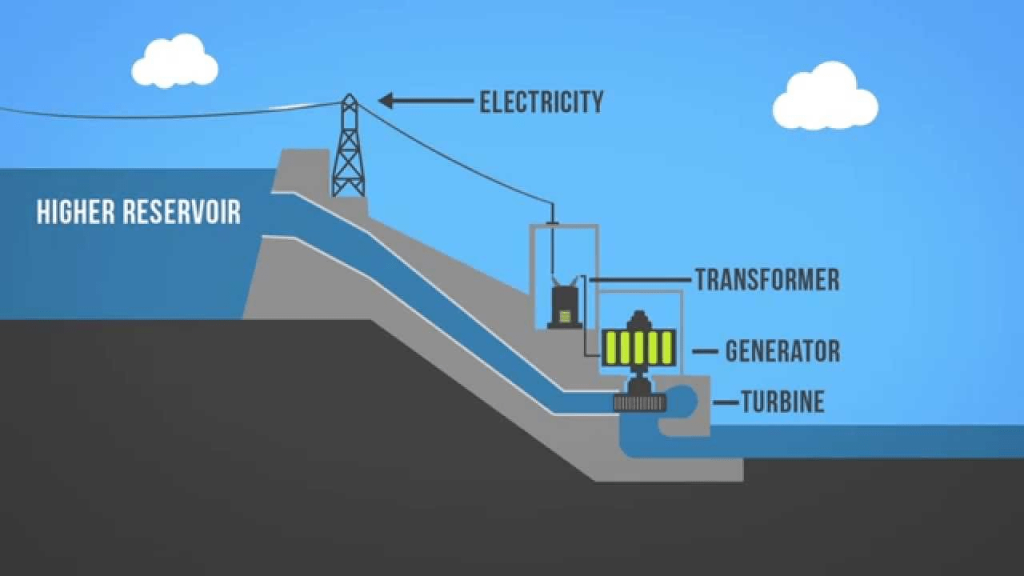
Turbine Water Power Maintenance Strategy in a Hydropower Generation System
Maintenance directly affects system efficiency and availability. Turbine Water Powers systems are designed with practical maintenance access in mind. Clear layouts simplify inspection and servicing tasks. Within a Hydropower Generation System, this design approach reduces downtime. It also helps operators identify wear before failures occur. Preventive maintenance becomes more effective when systems are easy to monitor. Over time, this strategy preserves both efficiency and reliability.
Sustainability depends on efficient, reliable operations. Turbine Water Power systems support this goal by maximising usable energy from available water. Efficient conversion reduces unnecessary discharge. Reliable operation lowers the need for frequent part replacement. In a Hydropower Generation System, these benefits translate into long-term environmental and economic value. From an engineering perspective, sustainability results from disciplined system design. Turbine Water Power technology aligns well with this principle.
Turbine Water Power Value for Long-Term Hydropower Generation System Investment
Purchasing a Turbine Water Power system is a long-term decision. Buyers need confidence in performance, service life, and operational stability. A well-engineered Hydropower Generation System provides measurable results over time. Turbine Water Power solutions deliver consistent efficiency. They also offer reliability that supports long-term planning. As a manufacturer, our role is to provide systems that perform as expected. This commitment builds trust and protects customer investment.
