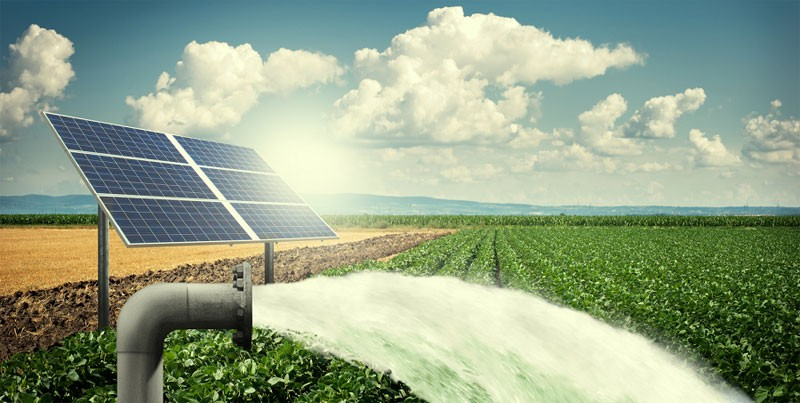
Solar Energy Pump for Environmentally Friendly Farming
Solar Energy Pump is at the heart of a cleaner, more efficient era in agriculture. Solar Energy Pump converts sunlight into a stable, reliable water supply, replacing diesel engines and unreliable power lines on farmland. A solar energy pump enables farmers to reduce pollution while increasing crop yields.
Solar Energy Pump Reducing Environmental Impact
The Solar Pumping System plays a major role in reducing pollution. Traditional pumps release exhaust gases, spill fuel, and contaminate soil. Solar-powered systems eliminate these risks completely. By running on sunlight, a Solar Energy Pump produces zero emissions during operation. This helps protect air quality and prevents harmful substances from entering farmland. Clean energy also keeps groundwater safer, which is vital for long-term agricultural health. In addition, Solar Energy Pumps systems promote responsible water use. Consistent water pressure allows for drip and sprinkler irrigation, which uses less water while delivering better results. These features support both environmental protection and crop efficiency.
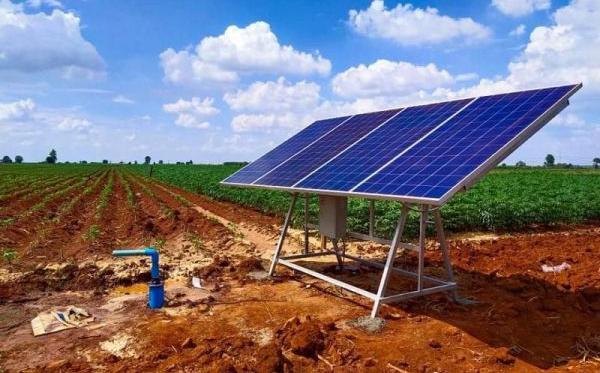
Solar Energy Pump Improving Water Efficiency and Crop Yield
Water management defines successful farming. A allows growers to supply water when crops need it most. Because the pump works during peak sunlight hours, irrigation naturally aligns with plant growth cycles. This timing improves moisture absorption and reduces evaporation losses. With steady water flow, roots grow deeper and stronger. Crops become healthier and more productive. Data from many farms shows that systems increase yields while lowering water consumption. This balance helps farmers grow more food with fewer resources. It also supports long-term soil stability and sustainable land use.
Solar Energy Pump for Off-Grid and Remote Farms
Many farms operate far from stable power sources. The solves this challenge by working completely off-grid. Solar panels provide all the energy needed to run the system. This independence allows farmers to install irrigation anywhere sunlight is available. No power lines or fuel deliveries are required. As a result, remote farms can gain reliable access to water for crops and livestock. systems also reduce infrastructure costs. Farmers can expand irrigation without heavy electrical or fuel investments. This makes environmentally friendly farming both practical and affordable.
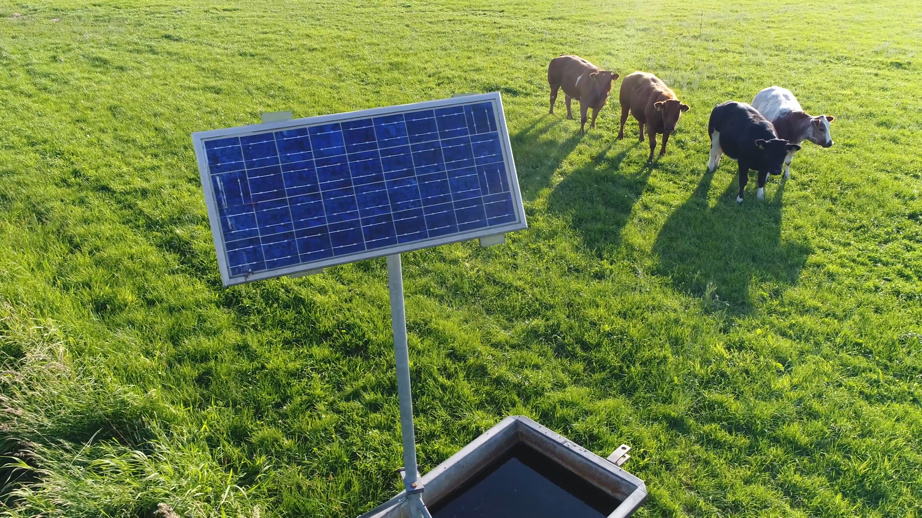
Designed for Reliability and Low Maintenance
Agricultural equipment must handle tough conditions. A is built for heat, dust, moisture, and continuous operation. High-quality materials and sealed components protect the system from wear and damage. Unlike fuel-powered pumps, systems have fewer moving parts. There is no engine oil, no filters, and no combustion. This reduces breakdowns and service needs. Lower maintenance means less downtime and fewer operating expenses. Farmers gain reliable water access while saving time and money. This reliability strengthens the value of solar-powered irrigation.
Economic Benefits for Sustainable Farming
A Solar Energy Pump system delivers long-term financial advantages. After installation, energy costs drop close to zero. There is no need to buy fuel or pay for electricity. Maintenance costs also stay low. With fewer parts to replace, the system runs smoothly for many years. Over time, these savings exceed the initial investment. In addition, systems increase farm productivity. Better irrigation leads to higher crop yields and more consistent harvests. This creates steady income while supporting environmentally friendly farming practices.
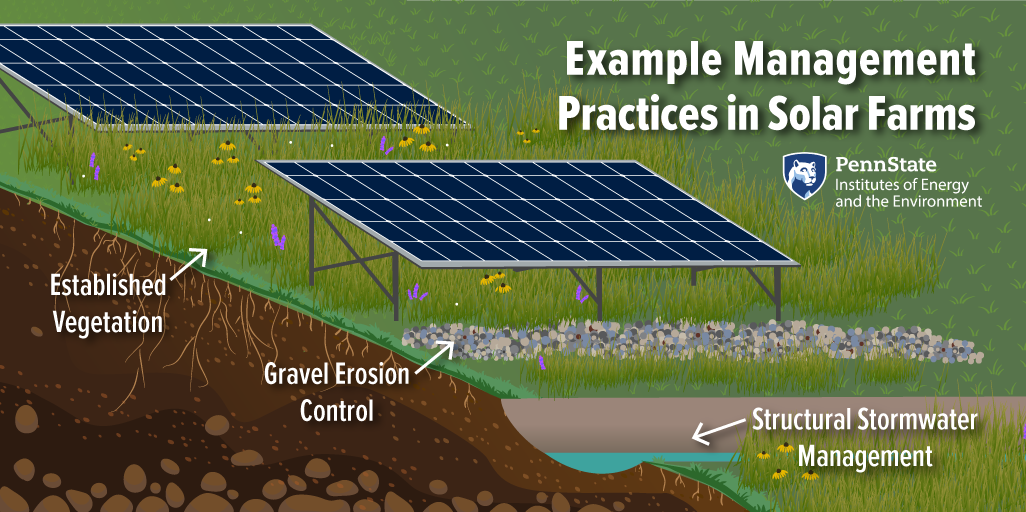
Solar Energy Pump Leading the Future of Green Agriculture
The future of agriculture depends on clean energy and efficient water use. The delivers both. As technology advances, these systems will become even more intelligent and durable. New designs will improve energy conversion and automate water management. This will allow farmers to use less water while growing more food. solutions will continue to support responsible farming worldwide As a manufacturer committed to innovation, we see this technology as the new standard for modern agriculture. It combines sustainability, performance, and profitability into one reliable solution.
