How Solar Energy Technology Is Enhancing Energy Security
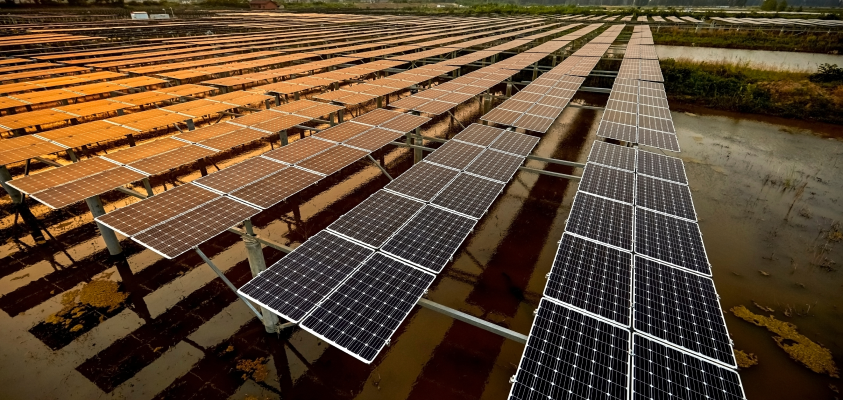
Solar Energy Technology plays a vital role in strengthening energy security as rising energy demand and geopolitical uncertainty strain traditional fuel supplies. By harnessing abundant sunlight, solar systems deliver a reliable, clean, and decentralized source of electricity, reducing dependence on fossil fuels and increasing resilience against disruptions to centralized energy infrastructure.
Solar Energy Technology Builds Resilient and Reliable Power Systems
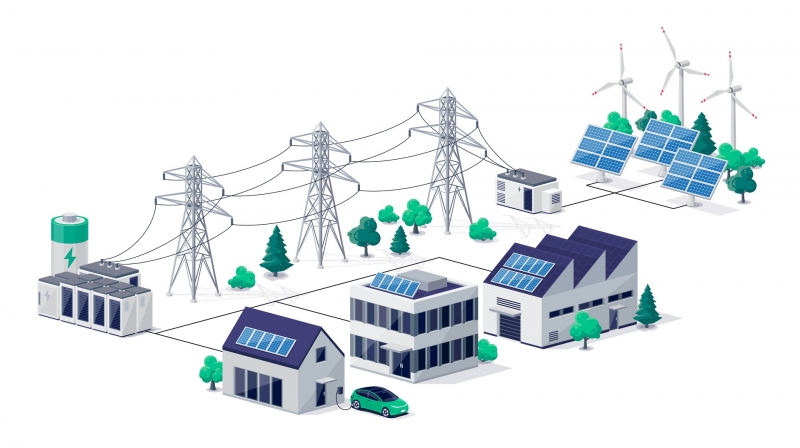
Energy security relies heavily on having a resilient power supply that can withstand disruptions. Solar energy technology enables the design and deployment of power systems that maintain electricity availability during natural disasters, cyberattacks, or infrastructure failures. When paired with energy storage solutions such as lithium-ion batteries or flow batteries, solar energy systems can operate off-grid or in a hybrid mode alongside traditional grids. This flexibility means that critical facilities — hospitals, emergency shelters, communication networks — can continue functioning even if the main grid fails. Solar energy technology also facilitates microgrids, localized grids that can disconnect from the main grid and operate independently. These microgrids enhance resilience by reducing single points of failure and enabling communities or industries to maintain power during broader outages. By enabling decentralized, reliable power generation, solar energy technology fundamentally contributes to a stable, secure energy infrastructure.
Diversifying Energy Sources to Reduce Vulnerability
A diverse energy mix is essential to reducing the risks posed by supply chain disruptions and price volatility. Solar energy technology diversifies the energy portfolio by providing an abundant, renewable, and domestically sourced power supply. Unlike fossil fuels that require extraction, transportation, and complex logistics, sunlight is universally accessible and free. By integrating solar energy systems, countries and businesses reduce their exposure to geopolitical conflicts and fluctuating fuel markets. This diversification not only improves energy security but also supports economic stability, as solar power costs continue to decline due to technological advancements and economies of scale. More diversified systems incorporating solar power are less prone to shocks, helping maintain uninterrupted electricity for homes, industries, and public services.
Reducing Reliance on Imported Fuels Through Solar Energy Technology
For many nations, energy security is closely tied to reducing dependence on imported fossil fuels such as oil, coal, and natural gas. Solar energy technologys provides a solution by enabling electricity generation from a domestic, renewable resource—sunlight. This reduces the need for fuel imports, which can be subject to supply disruptions, price spikes, and political leverage. Solar energy systems can be deployed on rooftops, open land, and even floating platforms, allowing widespread access to locally generated power. This localization keeps economic benefits within the country, reduces trade deficits related to energy imports, and enhances national security by insulating the energy supply from external risks.
Decentralized Energy Production Empowers Communities and Enhances Security
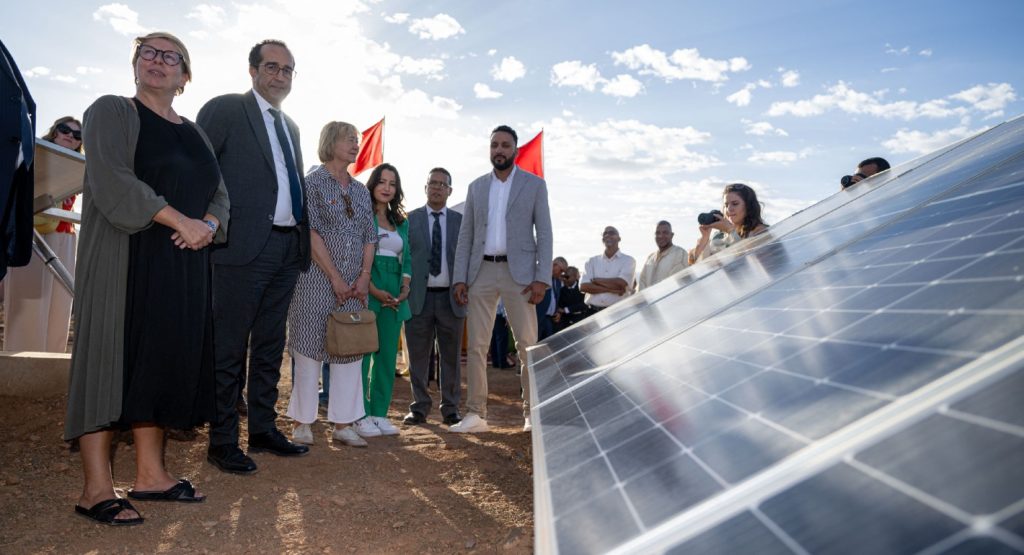
Decentralization is increasingly recognized as a key strategy for robust energy security. Traditional centralized power plants and long transmission lines create vulnerabilities—if a central facility or transmission corridor is compromised, large areas can lose power. enables distributed generation, allowing individuals, businesses, and communities to produce electricity close to the point of use. This reduces transmission losses, lowers infrastructure stress, and minimizes the risk of widespread outages. With the widespread adoption of solar panels and home energy storage, energy systems become more adaptive and fault-tolerant. Community solar projects and peer-to-peer energy trading powered by solar technology further democratize power generation and resilience, ensuring a more secure energy supply less prone to large-scale failures.
Enhancing Grid Stability and Supporting Smart Energy Management
Modern solar energy technology integrates seamlessly with smart grid solutions, improving overall grid reliability and energy management. Solar installations equipped with sensors and communication technologies provide real-time data on power generation and consumption. This data enables grid operators to balance supply and demand more efficiently, reduce peak loads, and quickly respond to fluctuations. Solar energy systems combined with advanced inverters can provide ancillary grid services, such as voltage regulation and frequency control, which are critical for maintaining grid stability. Energy management platforms that incorporate solar power help optimize energy use, reduce waste, and improve the resilience of the electrical grid. Such capabilities are vital for managing the growing share of variable renewable energy sources while ensuring a secure, continuous electricity supply.
Providing Emergency and Backup Power Solutions
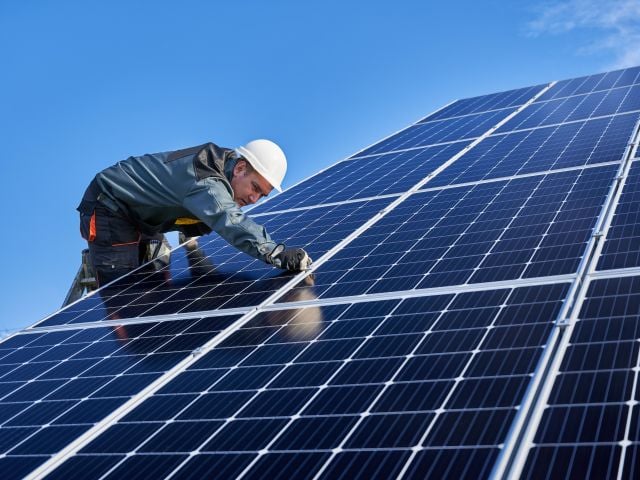
Solar energy technology offers practical, scalable solutions for backup and emergency power. In areas prone to natural disasters—hurricanes, earthquakes, floods—reliable backup power is essential for emergency services and community resilience. Solar-powered microgrids and standalone battery-backed solar systems can provide uninterrupted electricity during grid outages. Hospitals, communication towers, water treatment plants, and emergency response centers can operate without interruption, saving lives and reducing economic losses. Furthermore, solar backup systems require less maintenance and operational costs than traditional diesel generators. Their silent, emission-free operation makes them more suitable for sensitive environments such as schools and residential neighborhoods.
The Future Role of Solar Energy Technology in Global Energy Security
Solar technology will play an increasingly important role in shaping global energy security. Continuous advancements in photovoltaic efficiency, energy storage, and grid integration technologies are enhancing the capabilities of solar power generation and reducing its costs. Emerging technologies such as perovskite solar cells and bifacial panels promise even higher performance at lower costs. Combined with intelligent energy management systems and AI-driven grid optimization technologies, solar technology is becoming central to building a resilient and sustainable energy infrastructure. As governments and businesses set ambitious carbon-reduction and energy-independence targets, solar systems will be indispensable for achieving these goals. The progress in solar technology signals a future where energy security depends not only on sufficient supply but also on sustainability, affordability, and resilience.
