How Solar Energy Trend Enhance Energy Efficiency
The latest solar energy trend is reshaping how electricity is generated and consumed, unlocking new opportunities for smarter energy management and cost savings. Innovations in solar panel efficiency, energy storage, and intelligent grid integration allow users to maximise the value of every ray of sunlight. This solar energy trend not only improves performance but also helps industries and households reduce energy waste and optimise their energy use.
Solar Energy Trend in Photovoltaic Technology
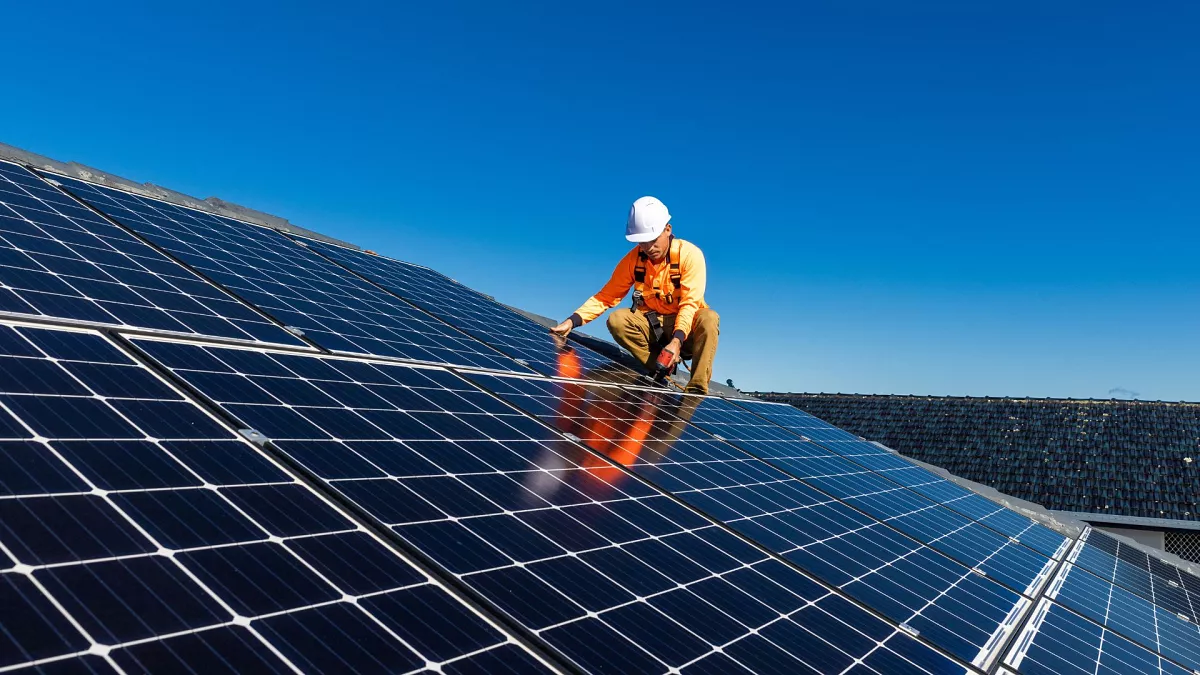
One key area of Solar Energy Evolution is the advancement of photovoltaic (PV) technology. Today’s solar panels are much more efficient than those from a decade ago. New materials, such as monocrystalline silicon and bifacial cells, allow panels to convert more sunlight into electricity. Tandem and multi-junction cells further increase efficiency by capturing a broader range of light wavelengths. These improvements mean that solar panels can generate more power from the same surface area. For users, this translates to more energy produced per square foot, which is crucial for rooftops with limited space. Thin-film and flexible solar cells also enable installations on curved surfaces or unconventional locations. This versatility helps maximise energy capture, contributing directly to higher energy efficiency.
Solar Energy Trend Boosting Energy Storage Solutions
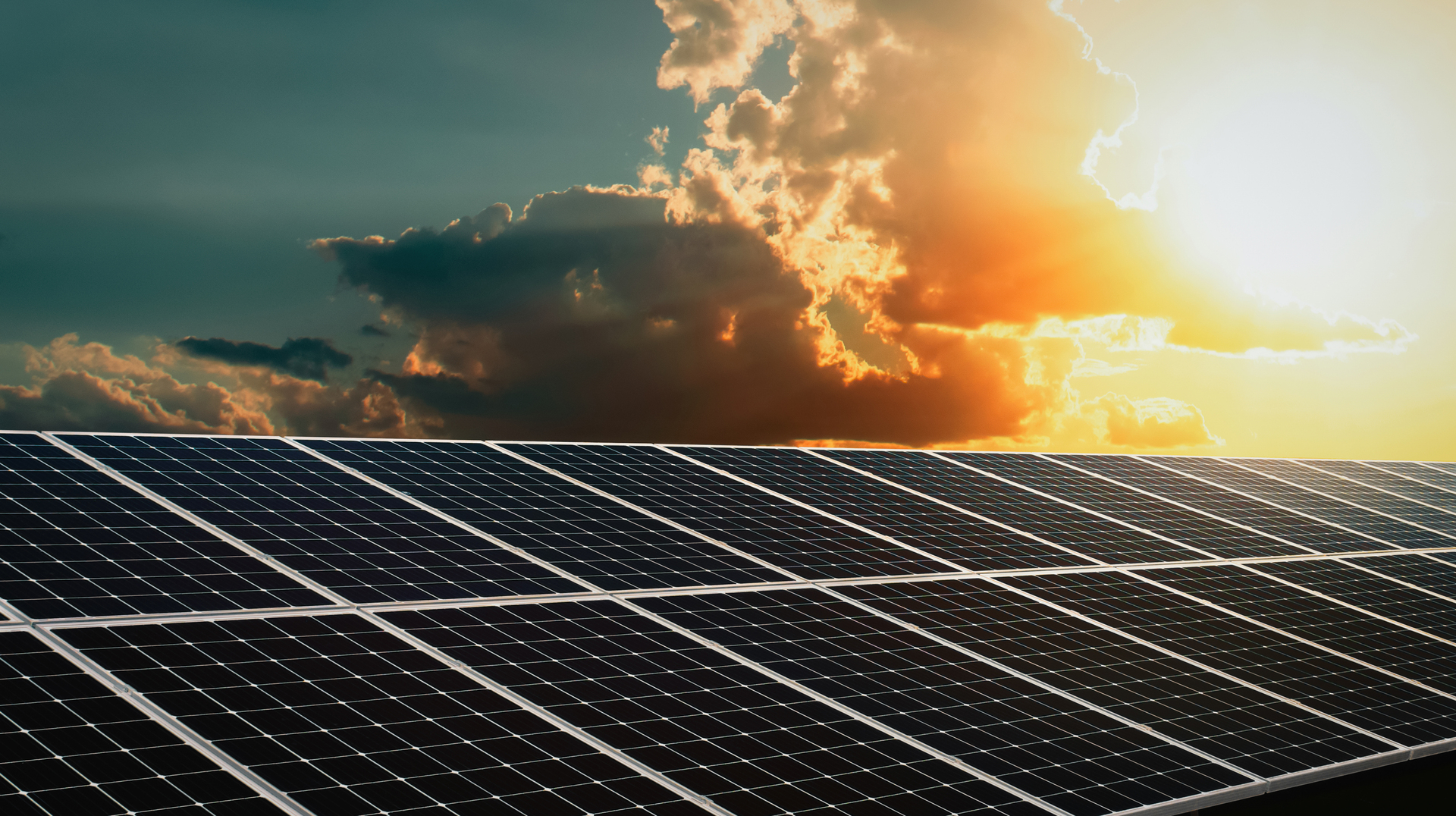
Energy storage is a vital part of modern solar energy trends. Solar power production varies throughout the day, depending on sunlight availability. Batteries allow users to store excess energy generated during peak hours and use it when the sun isn’t shining. This capability reduces reliance on grid power, especially during evenings or cloudy days. Storage systems also help balance supply and demand, smoothing out fluctuations that could lead to energy loss. New battery technologies are becoming more efficient, cheaper, and longer-lasting. These developments make solar-plus-storage systems more practical for homes, businesses, and utilities, greatly enhancing overall energy efficiency.
Smart grid and Internet of Things (IoT) technologies are rapidly becoming part of solar energy trends. These systems provide real-time data on energy production and consumption. Smart inverters and sensors communicate with the grid, allowing operators to manage energy flow more precisely. Consumers benefit by monitoring their usage and adjusting their behaviours to save energy. For instance, smart systems can schedule heavy electricity use during periods of high solar production. This coordination reduces waste and increases the effective use of renewable energy. Overall, smart grid integration promotes energy efficiency by better matching supply and demand.
Solar Energy Trend in Building-Integrated Photovoltaics (BIPV)
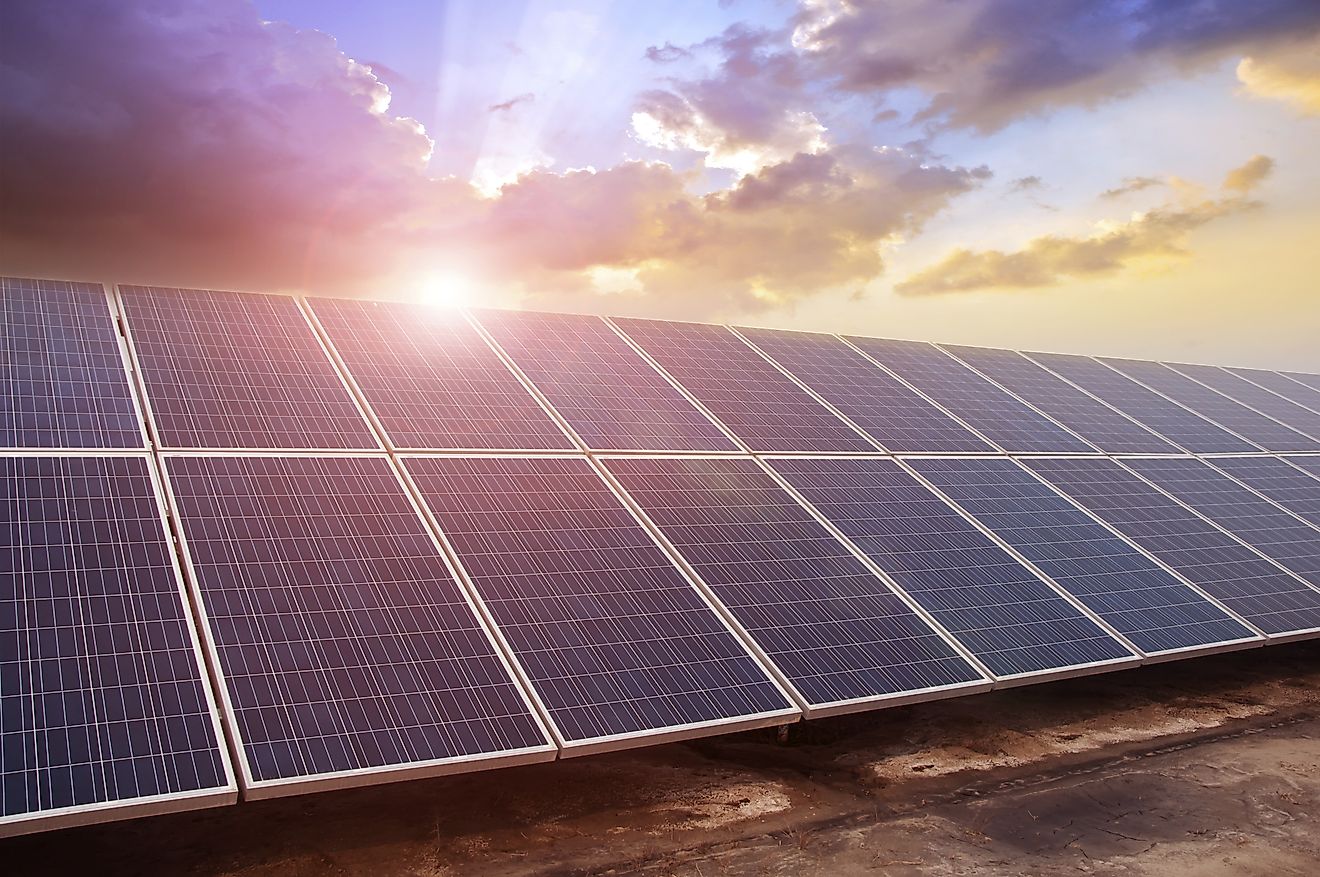
Building-Integrated Photovoltaics (BIPV) represent an exciting trend in solar energy. Instead of mounting solar panels on roofs, BIPV integrates solar cells directly into building materials, such as windows, walls, and facades. This approach saves space and turns buildings themselves into power generators. BIPV reduces transmission losses since electricity is generated right where it is consumed. It also enhances architectural aesthetics and increases property value. Advances in BIPV materials and designs are making these systems more efficient and affordable. By generating on-site clean energy, BIPV systems contribute to overall energy efficiency in modern building designs.
Solar Energy Trend Promoting Demand Response Programs
Demand response programs are becoming a major trend in solar energy, improving energy efficiency and grid stability by incentivising consumers to adjust or reduce electricity use during peak demand periods. By participating, users help ease grid stress, prevent overloads, and reduce reliance on costly backup power plants, benefiting both utilities and consumers. When combined with solar energy systems and smart energy management, these programs enable real-time coordination of energy consumption—such as using excess solar power to charge batteries, run appliances, or charge electric vehicles during sunny hours—maximising clean energy use and lowering grid dependency. Additionally, dynamic pricing and real-time feedback motivate users to shift energy-intensive activities to times of high solar output, optimising consumption patterns and reducing energy waste. On a larger scale, widespread adoption enhances grid flexibility, supports greater renewable integration, and reduces reliance on peaking fossil fuel plants.
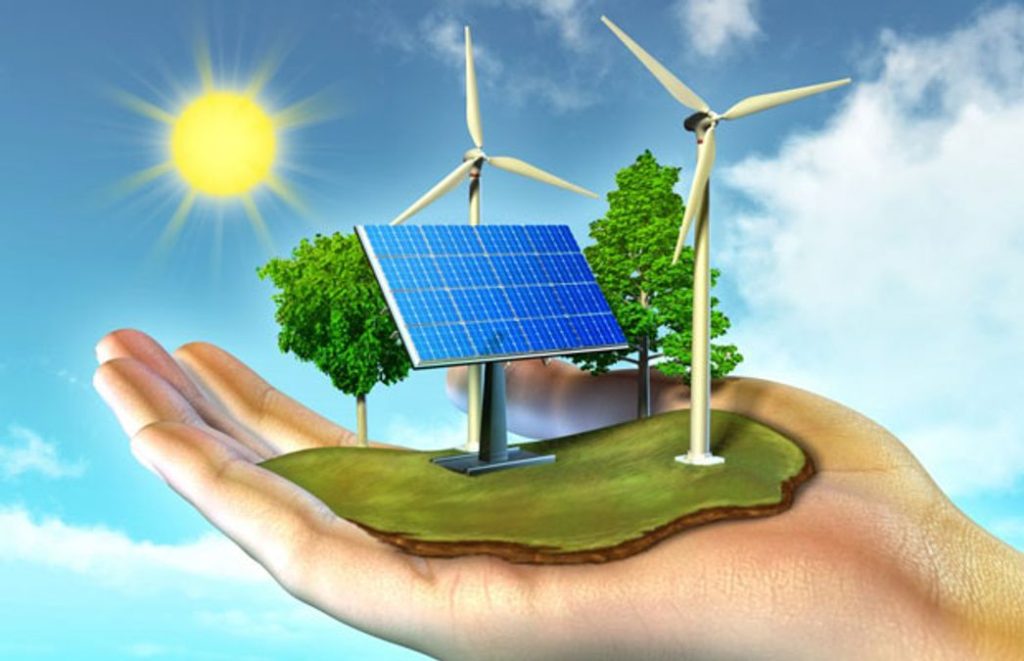
Advancements in solar energy trends extend beyond generation to include more efficient manufacturing and lifecycle processes. Modern production methods reduce energy use, waste, and emissions by adopting cleaner technologies and sustainable materials. Automation and precision engineering improve yield and lower resource consumption, while improved recycling technologies recover valuable materials from end-of-life panels, reducing the need for new raw resources. These practices support a circular economy by promoting reuse, refurbishment, and second-life applications, thereby extending component lifespans and minimising environmental impact. Together, these innovations lower the overall energy footprint of solar technology, making the industry more sustainable and energy-efficient.
Solar Energy Trend: Lowering Costs and Increasing Accessibility
Declining costs in solar panels, inverters, and installation are another major solar energy trend. Technological progress and higher production volumes have driven prices down dramatically. This price drop allows more people to afford efficient solar systems. As solar energy becomes more accessible, adoption rates increase. More distributed solar power means less energy loss in transmission. This distributed generation strengthens grid reliability and boosts overall energy efficiency. Lower upfront costs combined with long-term savings make solar energy an attractive and efficient option for many consumers.
