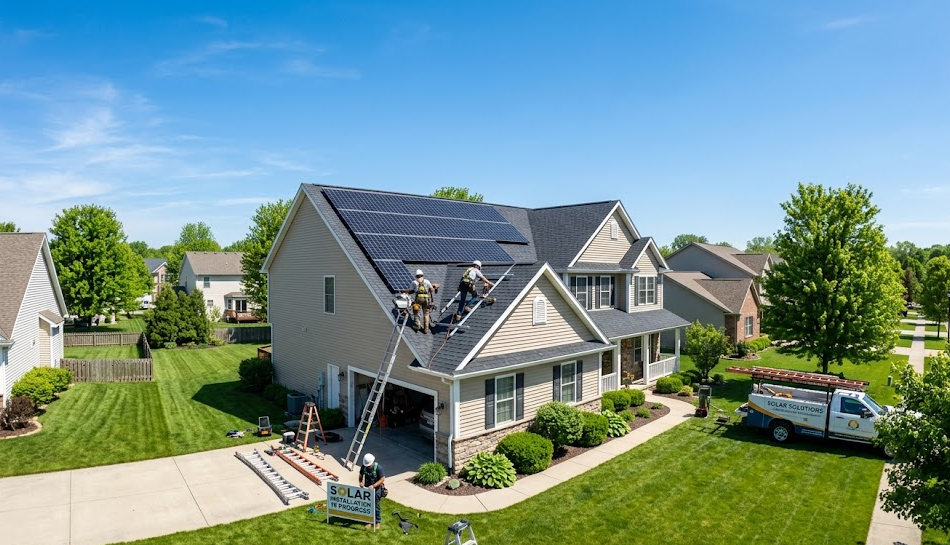
Solar Energy for Home: Is It Worth It in 2026?
Solar home energy is worth it for most North American homeowners with high electricity bills and a south-facing roof — but 2026 changed the math. The federal 30% tax credit expired on December 31, 2025. As a result, state incentives, utility rates, and your specific roof now matter more than ever. Here is what the numbers actually say.
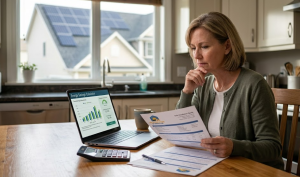
What Does Solar Energy for Home Cost in 2026?
What Affects the Cost?
How Does a Home Solar Energy System Work?
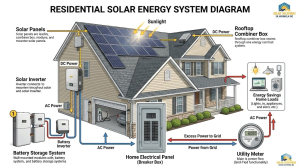
A solar energy for home system converts sunlight into usable electricity through photovoltaic panels on your roof. The panels feed DC power into an inverter, which converts it to AC for your appliances. From there, power runs your home directly, charges a battery, or feeds back into the grid for credits.
Do You Need a Battery?
Not always. If your utility offers net metering — crediting you for excess power sent to the grid — a battery isn’t essential. However, if you want blackout protection or your state has moved away from net metering, a battery changes the equation significantly. In 2026, battery storage adds roughly $8,000 to $15,000 to a system cost, but many states now offer separate incentives to offset that.
Is Solar Energy for Home Worth It in 2026?
Yes — for the right home. Over 25 years, a typical solar installation saves between $37,000 and $154,000, depending on your state’s electricity rates and available incentives. The payback period now runs 7 to 12 years for most financed systems, up slightly from previous years due to the expired federal credit.
The homes that see the strongest returns share a few things. High monthly electricity bills — $150 or more — make the savings more immediate. South or southwest-facing roofs with minimal shading produce the most power. States with strong incentive programs and high utility rates, like California, Massachusetts, and New Jersey, consistently deliver the fastest payback.
If your bill is under $80 a month, your roof faces north, or you plan to move within five years, the numbers may not work in your favor right now. That’s not a reason to never go solar. It’s a reason to wait for the right conditions.
EnergyLZ works with homeowners and commercial clients across North America to evaluate solar potential honestly — not just sell systems. Visit our solar energy services page to start with a no-pressure site assessment.
According to the U.S. Energy Information Administration, solar is the fastest-growing electricity source in the country — projected to reach 424 billion kWh by 2027. The full outlook is available at the EIA’s Short-Term Energy Outlook.
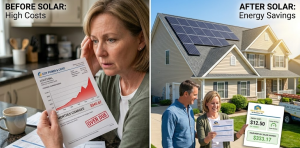
Is solar energy for the home worth it without the federal tax credit in 2026?
Yes, in most cases. The expired 30% federal credit adds roughly 2 to 3 years to the payback period, but state incentives, rising utility rates, and 25-year panel lifespans still make solar a strong long-term investment for homeowners with suitable roofs and high energy bills.
How much does solar energy for the home save per year?
The average homeowner saves around $1,500 per year on electricity after going solar. In high-rate states like California, annual savings can exceed $5,500. Over 25 years, total savings typically range from $37,000 to over $150,000, depending on location and system size.
How long does it take for home solar to pay for itself?
Without the federal tax credit, most financed systems pay for themselves in 7 to 12 years. Cash purchases are faster — typically 5 to 8 years. After that, every kilowatt-hour the system generates is pure savings.
Solar energy for a home in 2026 is a different calculation than it was a year ago — but it’s still a strong one for the right property. The federal credit is gone, the technology keeps improving, and utility rates keep climbing. For homeowners who fit the profile, waiting rarely makes financial sense.
