Solar Energy Pros and Cons: Is It Worth It in 2026?
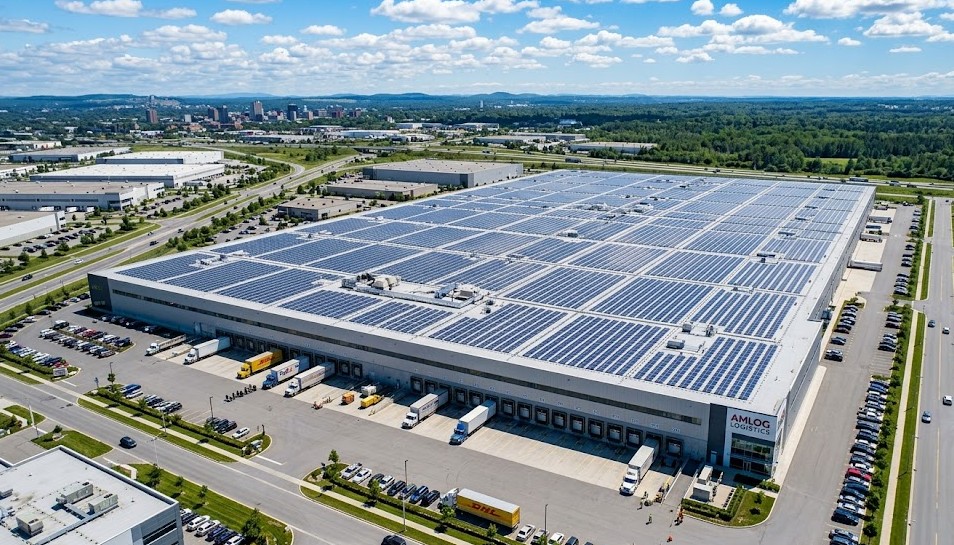
Weighing the true commercial solar energy pros and cons is rarely straightforward when every vendor hands you the exact same glossy sales pitch. But if you run a warehouse, a manufacturing plant, or a large office complex, you already know the painful reality. Power costs aren’t just creeping up anymore—they are taking aggressive jumps and eating directly into your profit margins.
So, does the math actually work for your specific roof?
Here is the unfiltered reality for 2026. The most profitable setups usually aren’t the overly complicated ones. For a lot of businesses, simply installing a standard grid-tied array to offset peak daytime usage is enough to drastically change the balance sheet. No expensive battery backups required. We are going to break down the genuine advantages and the real dealbreakers, helping you decide if this investment actually fits your operational budget.
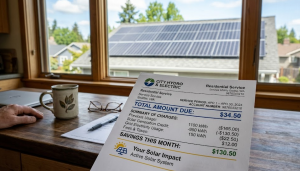
Where the Solar Energy ROI Actually Comes From
You don’t need a finance degree to see why commercial solar is booming this year. The numbers are incredibly pragmatic.
Slashing Peak-Hour Bills
This is the main event. Most commercial facilities burn the vast majority of their electricity between 8 AM and 5 PM. That is exactly when solar panels are maxing out their production. By consuming the power right as it hits your roof, you are bypassing peak-hour utility rates entirely.
Adding Hard Asset Value
If you own the commercial property, putting an array up top is basically a direct upgrade to the asset itself. Industrial real estate buyers and eco-conscious corporate tenants heavily favor buildings with built-in renewable systems. It makes the property easier to lease and worth more when you eventually sell.
Clearing the ESG Checkbox
Let’s be honest about corporate sustainability. Supply chains are getting incredibly strict about carbon footprints. According to ESG. Slapping a commercial array on your facility is one of the fastest, most measurable ways to hit those mandated zero-emissions targets without disrupting your actual daily operations.
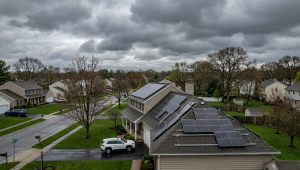
No moving parts means no mechanical wear. Most systems come with a 25-year performance warranty and require only occasional cleaning to stay productive. As a result, the long-term cost of ownership is far lower than most buyers initially expect.
| ✅ Pros | ❌ Cons |
|---|---|
| Reduces electricity bills (avg. $1,500/yr) | High upfront cost (~$21,600) |
| Increases property value (+6.9%) | Weather-dependent output |
| Zero emissions during operation | Not suitable for every roof |
| Low maintenance, 25-year lifespan | Payback period of 5–10 years |
| Renewable — sunlight never runs out | No nighttime generation (Perfectly offset by grid-tied net metering for businesses) |
Solar Energy Pros and Cons: What Are the Downsides?
Solar works well — but not for everyone, and not in every situation. In fact, going in without a clear picture of the limitations is one of the most common mistakes buyers make. Here is what consistently catches people off guard when evaluating solar energy pros and cons in North America.
High Upfront Cost. The average residential installation in 2026 runs around $21,600 before incentives. Although the 30% federal Investment Tax Credit (ITC) reduces that figure substantially, the initial outlay is still a real barrier for many buyers. Financing options exist, but they extend the payback period and add interest costs that affect overall ROI.
Daylight Dependency. Solar is intermittent and only generates power during the day. However, for commercial facilities, this “downside” is actually a perfect match. Most manufacturing plants, retail spaces, and corporate offices consume the vast majority of their power during daylight hours. By consuming solar energy exactly when it’s produced, businesses can drastically cut peak-hour utility rates without needing to invest in expensive battery storage systems. A standard grid-tied commercial system maximizes ROI precisely because it avoids the massive capital expense of commercial batteries.

FAQ: Solar Energy Pros and Cons
These are the questions that come up most often when North American businesses and property owners start seriously evaluating solar. Each answer reflects 2026 market conditions, current incentive structures, and the real-world factors that determine whether solar actually delivers on its promise for your specific situation.
Is solar energy worth it in 2026?
For most properties with high electricity bills and a viable roof, yes. Rising utility rates and lower installation costs have pushed the financial case for solar to one of its strongest points yet. That said, location, roof orientation, and how long you plan to stay all factor into the final answer.
What is the biggest disadvantage of solar energy?
The upfront cost remains the most cited barrier. At around $21,600 before incentives for a residential system, it’s a significant investment — and even with the ITC, the payback window typically runs 5 to 10 years, depending on how you finance it.
How long do solar panels last?
Most panels are warranted for 25 years and continue producing electricity well past that point. As a result, a system installed today should still be generating meaningful output well into the 2050s.
Does solar work in cloudy or cold climates?
Yes. Panels generate electricity from daylight, not heat — so overcast conditions reduce output but don’t stop it entirely. In fact, cold and clear days can actually push efficiency higher than peak summer heat.
Solar energy pros and cons in 2026 ultimately come down to fit. The technology is proven, the economics are strong, and the trajectory is clear. When the conditions are right, there are a few energy investments that deliver comparable long-term value.
