How to Choose Commercial Solar Installation Companies?
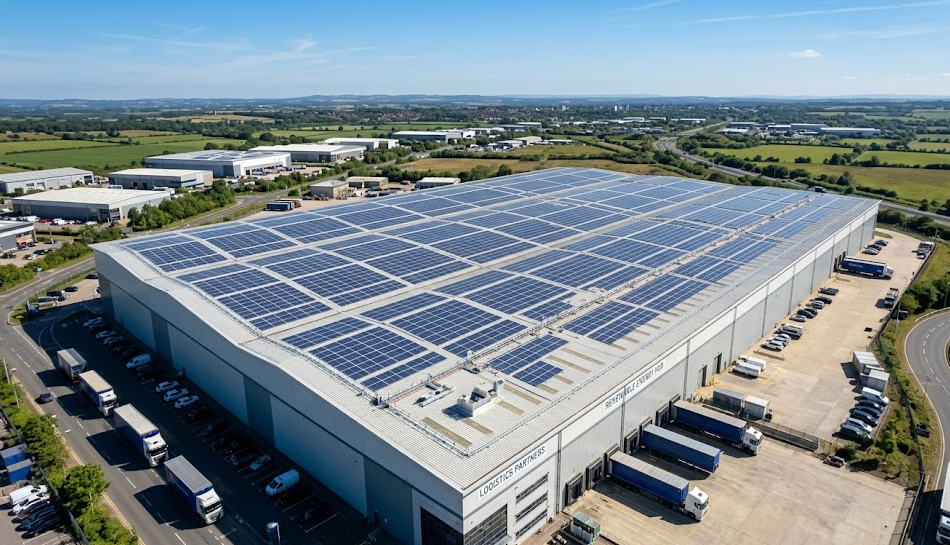
Finding the right commercial solar installation companies usually feels like a massive gamble. Facility managers know the exact drill. You collect five different quotes. They all promise the absolute world. But picking an EPC (Engineering, Procurement, and Construction) contractor is about securing a 25-year energy asset. It is definitely not like buying office supplies. A botched roof job ruins your entire daily operation. Want to lock in real energy independence? You need engineers who actually understand industrial grid integration. A true partner looks at your massive HVAC loads and heavy machinery power spikes before even proposing a single piece of hardware. At EnergyLZ, we treat your infrastructure upgrade as a serious financial maneuver. We build integrated systems designed to completely outlast the building itself.
Many executives rush this process. They treat a multi-megawatt installation like a standard electrical upgrade. That mindset costs businesses millions in lost incentives. You have to scrutinize the long-term O&M (Operations and Maintenance) agreements. An EPC contractor must prove their ability to handle grid volatility. We engineer stability.
Why Do Experience Levels Matter for Commercial Solar Installation Companies?
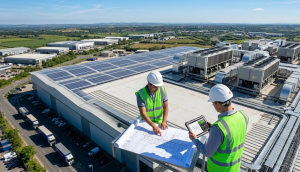
Two years in this game means nothing. Zero. After all, industrial roofs hide absolute structural demons. Think about a giant cold storage warehouse. Because of the daily thermal expansion, it literally rips cheap mounting brackets to shreds in months.
Instead, veteran commercial solar installation companies calculate wind shear long before the kickoff meeting. Of course, they deal with furious city inspectors daily. A rookie outfit stalls your entire project over one missing fire permit. But you need veterans who blast right through that bureaucratic mud. Since your factory has to keep running, we coordinate heavy crane drops so your shipping trucks never stop moving.
Red Flags of Commercial Solar Installation Companies
How do you spot a disaster early? First, watch the trucks pull up. The biggest trap is unvetted subcontractors. A guy in a nice suit sells you the dream. Then, random day laborers show up to wire high-voltage lines. Actually, that right there is how electrical fires start. As a result, you lose all quality control.
So, demand the actual names of their site foremen. Ask to see the OSHA safety logs. If they hand you a glossy brochure instead of hard safety data, walk out. Good teams brag about safety. Because they prove they handle dangerous gear properly.
Should You Prioritize Local or National Commercial Solar Installers?
Go regional. Always. National giants just treat your facility like a ticket number in a queue. On the other hand, regional EPC firms know the exact guy at the local utility who stamps the final grid approval. Also, they know exactly how afternoon sea salt or desert dust eats your specific hardware. When a massive breaker trips on a Tuesday afternoon, a local crew fixes it before dinner. But a national brand puts you on a 48-hour hold. Since system downtime actively murders your ROI, proximity is power.
How Do Top Installers Maximize Your Long-Term ROI?
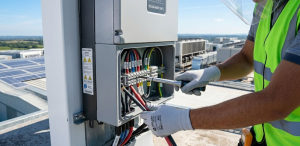
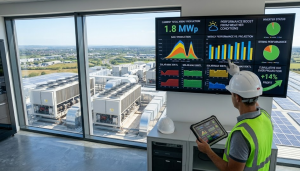
It is never about finding the cheapest panel. Instead, it is the Balance of System. Premium commercial solar power services spend the budget on heavy-duty inverters. Also, they integrate wind or hydro feeds into one brutal energy dashboard. Because cheap plastic components fry during the first August heatwave, we install commercial-grade sensors. According to the NREL (National Renewable Energy Laboratory), proactive hardware tracking stops minor glitches from becoming catastrophic failures. You pay for engineering depth upfront. Ultimately, that precision drops your peak demand charges the second we flip the switch.
Beyond the physical hardware, elite teams hunt down every single tax incentive. Actually, navigating the federal ITC and rapid depreciation schedules requires deep financial modeling. Rookies leave that money on the table. But experienced EPC contractors build your system specifically to maximize those exact tax write-offs. Then, they lock in your gains with aggressive monitoring. According to the NREL (National Renewable Energy Laboratory), proactive hardware tracking stops minor glitches from becoming catastrophic failures. So, you literally watch your payback period shrink in real-time.
Which Certifications Should You Demand Before Signing?
Do not trust a handshake. Ever. Instead, force them to show NABCEP certification for the lead engineer. Also, ask about OSHA 30 safety training for every single guy on the roof. Because if a worker drops a heavy wrench and punches a hole in your roof membrane, you need to know they pay for the water damage. Demand their commercial liability insurance policy document. Five million minimum. Basically, you cannot risk your massive warehouse inventory on an under-insured crew.
Next, check the Better Business Bureau for ugly unresolved complaints. But do not stop there. Demand Tier 1 manufacturer certifications. Since you are marrying this contractor for twenty-five years, they must have direct warranty lines to the inverter factories. If a massive part fails, you need them to bypass the public waitlist. Ultimately, EnergyLZ brings the financial muscle and EPC grit to actually deliver on that timeline. We protect your facility from day one.
