Green Energy Solutions: Say Goodbye to High Electricity Bills
Green energy solutions are changing how businesses manage their power costs. Look, I get it. You’ve heard the renewable energy pitch before. Sounds expensive. Sounds complicated. Something you’ll deal with “later.”
But here’s what I tell everyone: your energy costs aren’t getting cheaper. They’re getting worse. Every single year.
Traditional electricity runs on fossil fuels, and those prices swing wildly based on global markets, weather, political tensions, and a dozen other factors you can’t control. One month, you budget $8,000 for electricity. Next month it’s $12,000. How do you plan around that?
Green energy solutions fix this problem. Period.
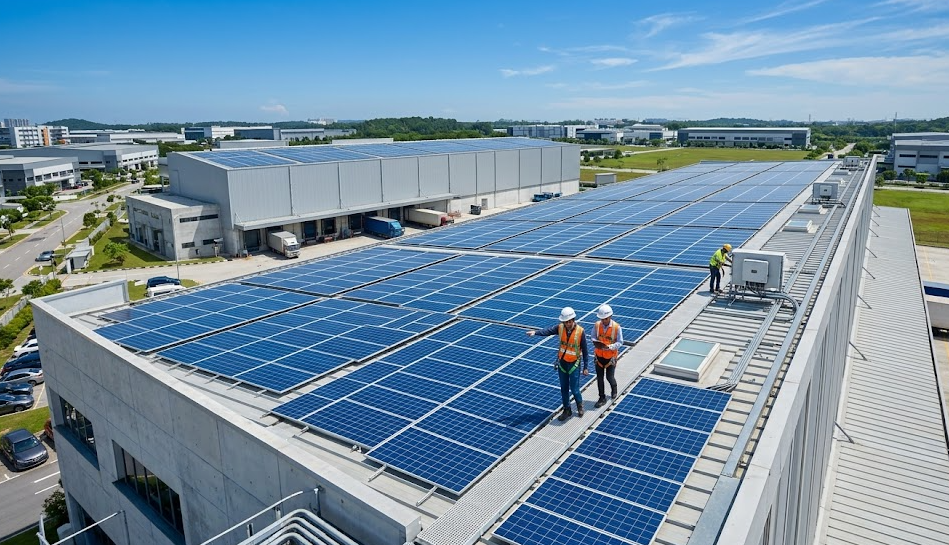
You pay upfront for solar panels, wind turbines, or hydropower systems. Then you lock in predictable energy costs for the next 20-30 years. No more surprise bills. No more hoping oil prices don’t spike during your busy season. Just stable, calculable power expenses that your CFO can actually work with.
I’ve watched companies cut their electricity costs by 30-50% within five years of switching to clean energy. That’s not marketing fluff. That’s what happens when you stop renting power from the utility and start owning your energy production.

How Much Do Green Energy Solutions
This is the first question everyone asks, and the answer usually surprises them.
Commercial solar costs have tanked by over 70% in the last decade. A mid-sized facility setup that used to be a massive capital nightmare is now comfortably within standard operational budgets.
That price drop gets even better when you look at the incentives. Programs like the Federal Solar Tax Credit instantly knock 30% off the top. Add in local regional rebates, and the upfront financial barrier practically disappears.
When it comes to funding, you have three paths:
-
Buy it outright: Perfect if you have the capital and want to maximize long-term savings.
-
Lease the equipment: Keeps monthly payments low and completely eliminates maintenance headaches.
-
Power Purchase Agreement (PPA): We install the hardware at no cost. You just buy the electricity we generate at a fixed rate that’s cheaper than your current utility bill. Zero upfront investment.
Worried about longevity? Don’t be. Commercial solar panels come with a hard 25-year performance guarantee. Manufacturers legally back their hardware to deliver at least 80% of its rated power after a quarter-century on your roof.
Most commercial properties easily handle 50kW to 500kW of solar capacity. And the timeline? Usually three to six months from your first phone call to flipping the switch. At EnergyLZ, we’ve already deployed over 4,620 systems globally, averaging 9,500 kWh of output. We know exactly how to get it done.
Are Wind and Hydro Green Energy Solutions Right for Your Facility?
Let’s be honest: wind and hydro aren’t for everyone. It is 100% about your location.
For wind, you need space, at least a full acre, and a steady breeze hitting 5 meters per second. Got a facility on the coast, out in farm country, or up on a ridge? Perfect. Tucked in a valley surrounded by other buildings? Don’t even bother. We actually pull a full year of local wind data before we even let you buy a turbine, just to make sure the math actually works for you.
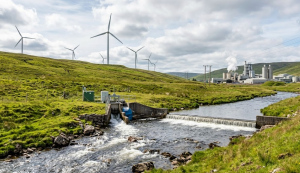
Now, hydro is a different beast. The beauty of water is that it never sleeps. Solar packs up at sunset, wind dies down, but water keeps moving 24/7. You’d be surprised, even a small, steady creek on your property can pump out 10 to 50kW of clean power around the clock. Plus, the hardware is built like a tank and easily lasts 50 years.
But here is the reality check: the paperwork is a grind. You’re looking at 12 to 18 months just to get the green light. Wind turbines need aviation clearance and zoning approvals. Hydro means you’re dealing with water rights and environmental impact studies. It’s a slow bureaucratic process, but the good news is, our team handles that entire headache for you.
Can You Combine Solar, Wind, and Hydro Together?
Yes. And you should.
The savviest facility managers I work with never just pick one technology and walk away. They build an ecosystem. Think about it: solar does the heavy lifting during the day. Wind usually kicks in at night and cranks up during the winter months. And if you’re lucky enough to have flowing water nearby? That hydro system just hums along in the background, 24/7.
When you layer these together, you eliminate those frustrating coverage gaps where you’d normally be forced to buy expensive peak power from the utility grid.
But we don’t just guess the mix. Our engineering team looks at your exact location, your daily load profile, and your usable space to custom-design a hybrid setup that actually makes financial sense.
And to plug any leftover holes? Battery storage. You take that massive spike of free solar power you generate at noon, bank it, and dump it back into your facility at 8 PM when the lines are still running, but the sun is long gone. Since battery costs have tanked by about 80% over the last decade, a properly sized lithium setup usually pays for itself in 7 to 10 years simply by keeping you off the grid.
What Happens When My Roof Can’t Handle Solar Panel Weight?
So your facility’s roof can’t handle the dead weight of a massive commercial solar array. It happens way more often than you’d think. But that doesn’t mean your project is dead in the water.
If you’ve got the real estate, unused acreage, open fields, or even excess parking space, we just pivot to a ground-mounted system. Give our engineering team 48 hours after a site walk, and we’ll hand you a complete footprint and output analysis.
Or, we look at solar carports. For B2B facilities, this is honestly a massive two-for-one win. You’re turning a dead parking lot into a 100kW to 500kW power plant, and your employees or tenants finally get shaded parking out of the deal. We routinely cover 50 to 200 spots in a single commercial build.
But before you sign a contract with anyone, do me a favor: pull your facility’s energy bills for the last three months. Look closely at exactly what you’re burning between 9 AM and 4 PM; that’s your peak sunlight window.
And honestly? Go get quotes from three different commercial installers. Force them to show you massive sites they’ve actually built. In the commercial energy game, a cheap, rushed installation will cost you 10 times as much in maintenance as doing it right the first time.
Take Control of Your Energy Strategy Today
Before completing this work, do not purchase a single solar panel or wind turbine for your green energy solutions.
Your local utility company will probably offer you a “free energy audit.” Usually, that’s just a guy walking around with a clipboard for an hour. We do a 5-day deep dive into your facility’s actual load profile. You might find out your HVAC system is bleeding 40% of your power, or that your warehouse lights are running all night for no one. We fix those leaks first, then size the hardware to what you actually need.
Now, let’s talk payback periods, because that’s all your CFO really cares about. Commercial solar usually breaks even in 5 to 8 years. Wind sits around 6 to 10. Hydro is the long game at 10 to 15 years, but that turbine will run for half a century. Once you hit that break-even point? The system is practically printing money.
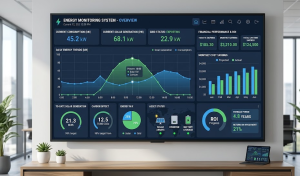
And once the system is live, we don’t just walk away. Our monitoring platform watches the output 24/7. If a panel string drops below its guaranteed output, our system flags it, and we roll a maintenance truck out to fix it. You don’t guess your ROI—you watch it happen on your dashboard.
Making the switch isn’t just an “eco-friendly” PR move anymore. It’s a massive financial shield. You are locking in your operating costs while your competitors get hammered by rate hikes every summer. At Energy, we’ve walked over 1,300 facilities through this exact transition.
