
Home Wind Turbine Energy for Energy-Independent Livin
Home Wind Turbine Energy stands out as a highly effective, dependable, and eco-friendly option for homeowners aiming to achieve energy independence. With the global push toward sustainable energy and decreasing reliance on fossil fuels, an increasing number of households are embracing Domestic Wind Energy Systems to generate clean, renewable power right at home. These solutions offer a practical way to reduce energy costs while supporting a greener future.
Understanding Home Wind Turbine Energy: The Basics and Benefits
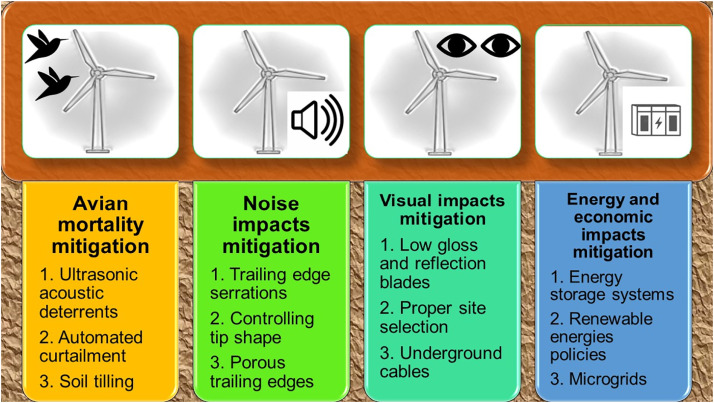
Home Wind Turbine Energy refers to small-scale wind turbines designed for residential use. Unlike large commercial turbines, these systems suit lower wind speeds and residential settings, causing minimal noise and visual disturbance. They capture kinetic energy from the wind and convert it into electrical power for household use. Installing a home wind turbine offers multiple benefits. First, it reduces monthly utility bills by offsetting electricity drawn from the grid. Second, it increases energy security—especially in remote or off-grid areas—by supplying a consistent, renewable power source. Moreover, wind turbines produce zero emissions during operation, helping homeowners shrink their carbon footprints. Manufacturers design modern Domestic Wind Energy Systems for durability and efficiency, often pairing them with battery storage to maintain power availability during calm or nighttime periods.
The Anatomy of Domestic Wind Energy Systems: Components and Functionality
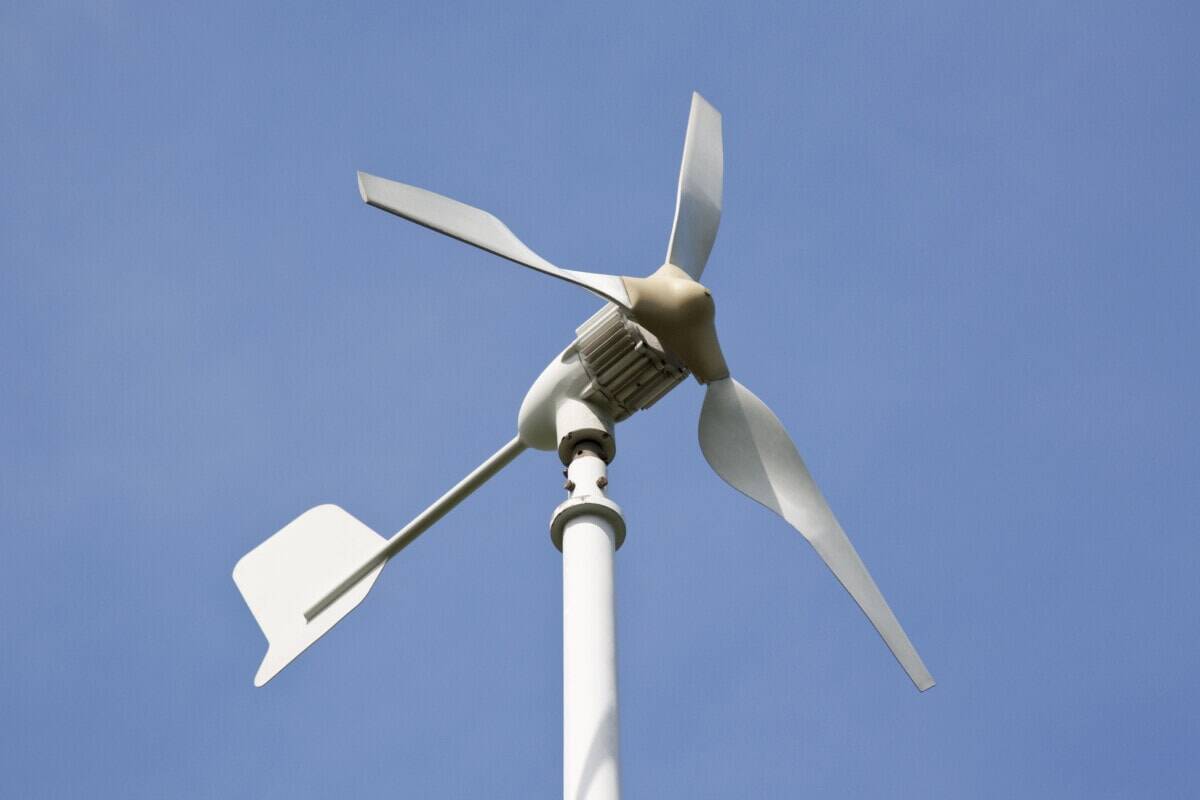
A typical Home Wind Turbine Energy setup includes several core components that work together to maximize efficiency and safety. The rotor, usually with two to three blades made from lightweight yet strong materials such as fiberglass or carbon fiber, captures wind energy and spins the shaft connected to the generator. The generator converts mechanical energy into usable electrical power. An inverter then changes the electricity from direct current (DC) to alternating current (AC), making it compatible with household appliances and, if grid-tied, with the utility grid. The turbine mounts on a tower that raises it to heights where wind speeds increase and remain consistent—typically between 30 and 100 feet. Proper tower height and placement significantly improve energy capture. Control electronics regulate turbine speed to prevent damage from high winds. Safety features like automatic braking and yaw control keep the turbine aligned with the wind. Homeowners often integrate battery storage or hybrid systems to store excess energy, ensuring power supply during low wind conditions.
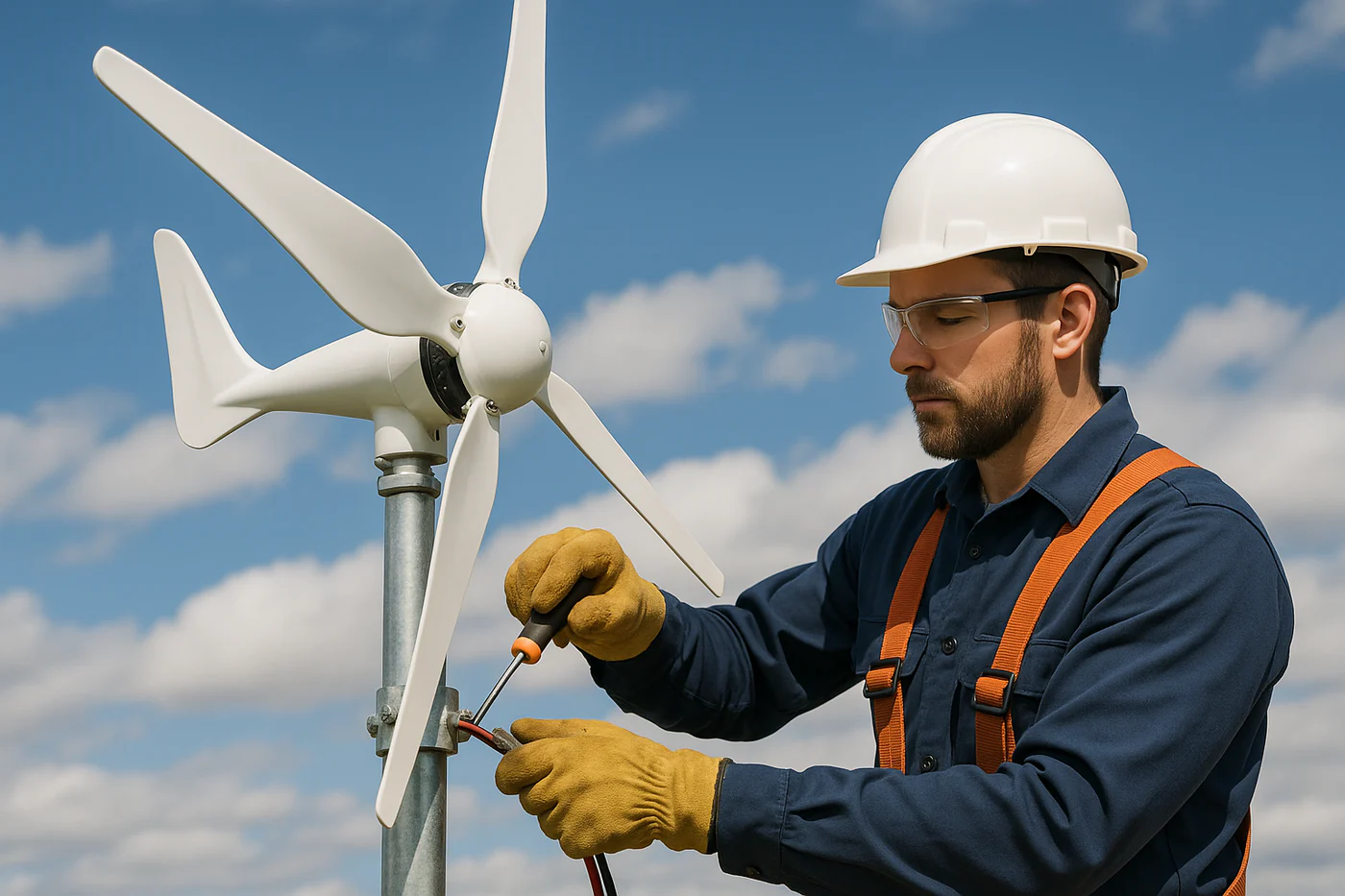
To deploy Home Wind Turbine Energys effectively, conduct a thorough site assessment. Evaluate average wind speed, consistency, and prevailing wind directions. Most residential wind turbines work best in locations with average wind speeds between 9 and 12 miles per hour or higher. Avoid obstructions such as buildings, trees, and hills, which create turbulence and reduce wind speed, impairing turbine performance. Choose an open, clear site for installation. Review local zoning laws and building codes to ensure compliance with height restrictions, noise limits, and safety regulations. Professional installers ensure the tower remains structurally sound and electrical connections meet safety standards. They also handle grounding systems to protect against lightning. Correct alignment with prevailing winds and proper cabling into the home’s electrical system optimize efficiency and safety.
Achieving Energy Independence with Home Wind Turbine Energy
Many homeowners pursue Domestic Wind Energy Systems to gain energy independence. Generating electricity onsite reduces reliance on utility providers and shields households from energy price fluctuations. This independence proves especially valuable during power outages or in remote areas where grid access proves unreliable. Pairing wind turbines with energy storage solutions—like lithium-ion or lead-acid batteries—allows homeowners to store surplus energy produced during windy periods. This stored energy powers the home during calm or nighttime hours, creating a reliable off-grid system. Additionally, many regions offer net metering policies that let homeowners sell surplus electricity back to the grid, effectively turning their turbines into mini power plants. This opportunity improves return on investment and encourages sustainable living.
Wind energy stands among the cleanest and most sustainable renewable energy sources available. Home Wind Turbine Energy systems generate electricity without combustion, releasing no greenhouse gases or pollutants. Utilizing Domestic Wind Energy Systems helps households significantly reduce their carbon footprint and actively combat climate change. Manufacturing and installing residential turbines require fewer raw materials and consume less energy compared to large-scale projects, thereby lowering the overall environmental impact. Their small physical footprint allows turbines to integrate seamlessly into local ecosystems and landscapes with minimal disruption. By adopting Home Wind Turbine Energy, homeowners actively contribute to building a sustainable energy future. Their commitment promotes community awareness and encourages broader adoption of renewable energy technologies.
Maintenance, Durability, and Longevity of Home Wind Turbine Energy Systems
Home Wind Turbine Energy systems undergo rigorous design processes to ensure durability in diverse weather conditions, often lasting 20 years or more with proper care. Homeowners using Domestic Wind Energy Systems should regularly inspect and clean rotor blades, lubricate moving parts, check electrical connections, and monitor overall system performance.When selecting turbine materials and protective coatings, consider environmental factors such as icing, strong winds, and coastal salt spray. Additionally, schedule periodic professional inspections to detect and resolve issues early, keeping Home Wind Turbine Energy systems safe and efficient.
The Ongoing Benefits and Significance of Green Energy Technologies
The initial investment for green energy technologies can vary widely depending on factors such as system size, location, and installation requirements, often ranging from $10,000 to $70,000 or more. Despite this upfront cost, adopting these sustainable solutions provides homeowners with a dependable source of clean energy that promotes long-term environmental benefits. Furthermore, integrating green energy systems enhances property value by boosting energy efficiency and showcasing a dedication to eco-friendly living.
